
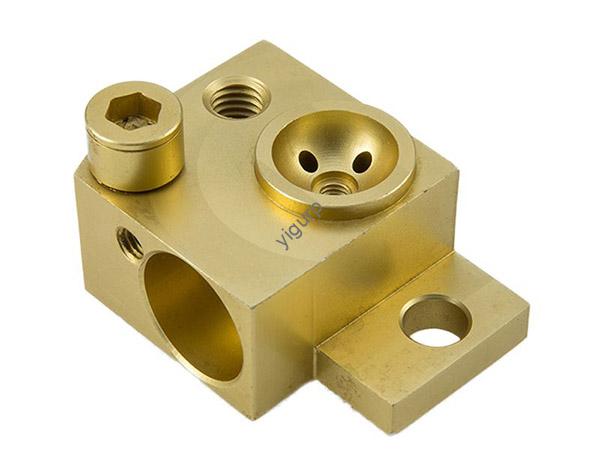
When your process involves aggressive chemicals like concentrated nitric acid or mixed acidic solutions at elevated temperatures, material failure is not a matter of if, but when—unless you choose the right alloy. UNS N06455 Hastelloy C4 is a nickel-chromium-molybdenum alloy engineered specifically for these demanding environments. Its ultra-low carbon content eliminates the risk of intergranular corrosion, a common failure mode in other corrosion-resistant alloys. In this guide, I will walk you through its properties, where it excels, and how to work with it based on real project experience.
Introduction
Selecting materials for chemical processing equipment is a high-stakes decision. The wrong choice leads to pitting, cracking, or catastrophic failure—resulting in unplanned downtime, safety risks, and significant replacement costs. Hastelloy C4 was developed to address the limitations of earlier alloys like Hastelloy C276, particularly in environments where carbide precipitation during welding can create weak points. By reducing carbon to exceptionally low levels and carefully balancing chromium and molybdenum, this alloy achieves outstanding corrosion resistance while maintaining good fabricability. Over the years at Yigu Rapid Prototyping, I have worked with chemical plants and pharmaceutical manufacturers who switched to Hastelloy C4 after experiencing repeated failures with other materials. The difference in service life is often measured in years, not months.
What Makes Hastelloy C4 Unique?
Hastelloy C4 belongs to the family of nickel-based superalloys. Its defining characteristic is its resistance to intergranular corrosion—corrosion that occurs along the grain boundaries of the metal. This is a common problem in welded components where heat can cause carbides to form, creating a zone that is vulnerable to attack.
The Chemistry Behind the Performance
The chemical composition of Hastelloy C4 is precisely controlled to maximize corrosion resistance while maintaining stability during welding and fabrication.
| Element | Content Range (%) | Why It Matters |
|---|---|---|
| Nickel (Ni) | 65 – 70 | Base element that provides ductility and resistance to stress corrosion cracking. |
| Chromium (Cr) | 14 – 18 | Forms a protective oxide layer and resists oxidation and pitting in acidic environments. |
| Molybdenum (Mo) | 14 – 17 | Provides resistance to strong acids like nitric and sulfuric, particularly in reducing conditions. |
| Iron (Fe) | ≤ 3.0 | Adds structural strength without compromising corrosion resistance. |
| Carbon (C) | ≤ 0.015 | Ultra-low carbon prevents carbide formation during welding, eliminating intergranular corrosion risk. |
| Tungsten (W) | ≤ 0.5 | Enhances resistance to localized corrosion such as pitting and crevice attack. |
| Cobalt (Co) | ≤ 2.0 | Improves high-temperature stability, beneficial for aerospace and high-heat applications. |
A Brazilian chemical company was producing ammonium nitrate using 70% nitric acid at 120°C. Their existing reactor, made from Hastelloy C276, failed after four years due to intergranular corrosion at the weld joints. They replaced it with a Hastelloy C4 reactor. After eight years of continuous operation, inspection showed no corrosion or leaks. The ultra-low carbon content eliminated the weld zone weakness that had caused the previous failure.
Mechanical Properties That Support Long Service Life
While corrosion resistance is the primary driver for selecting Hastelloy C4, its mechanical properties ensure that components maintain their integrity under pressure and temperature.
- Tensile Strength: Minimum 690 MPa at room temperature. This is comparable to many stainless steels but with far superior corrosion resistance.
- Yield Strength: Minimum 310 MPa at room temperature. This provides a strong margin against permanent deformation under operating pressures.
- Elongation: Minimum 40%. This high ductility allows for forming and bending without cracking, and it contributes to the alloy’s ability to absorb stress without fracturing.
- Fatigue Resistance: 240 MPa at 10 million cycles. This makes it suitable for components like rotating shafts and agitators in chemical reactors.
Where Does Hastelloy C4 Deliver the Most Value?
This alloy is not a general-purpose material. It is specified for applications where other corrosion-resistant alloys have failed or are projected to fail within an unacceptable timeframe.
Chemical Processing Equipment
The most common application for Hastelloy C4 is in equipment that handles strong oxidizing acids, particularly nitric acid, and mixed acidic solutions.
Case Study: A German chemical plant needed storage tanks for 68% concentrated nitric acid at 80°C. They had previously used Hastelloy C276 tanks, which required replacement every three years due to corrosion at the weld seams. After switching to Hastelloy C4, the tanks have been in service for seven years with no signs of corrosion. The key difference was the alloy’s resistance to intergranular attack, which had been the failure mechanism in the C276 tanks.
Other applications in this sector include:
- Acid mixers and reactors handling combinations of nitric, sulfuric, and hydrochloric acids.
- Heat exchangers where corrosive fluids pass through tubes and shells.
- Piping systems that transport aggressive chemicals between process units.
Oil and Gas Industry
Offshore platforms and processing facilities face corrosive environments from both seawater and the acidic fluids (containing hydrogen sulfide and carbon dioxide) that come from wells.
Case Study: An offshore oil rig in the Gulf of Mexico used stainless steel wellhead valves. The combination of saltwater and acidic drilling fluids caused pitting and crevice corrosion that required valve replacement every 18 months. After switching to Hastelloy C4 valves, maintenance intervals extended to over five years, cutting maintenance costs by 35% and eliminating unplanned downtime.
Pollution Control Systems
Flue gas desulfurization (FGD) systems in power plants and waste incinerators use chemical scrubbers to remove sulfur oxides from exhaust gases. The resulting slurry is highly corrosive.
Case Study: A Japanese waste incineration plant used Hastelloy C22 for its FGD system components. Frequent replacement was required due to corrosion from the acidic byproducts. Switching to Hastelloy C4 extended component life by over three years, reducing both material costs and the downtime required for replacement.
Pharmaceutical and Food Processing
Pharmaceutical manufacturing often involves acidic drug formulations and requires materials that are both corrosion-resistant and non-toxic.
Case Study: A U.S. pharmaceutical company used stainless steel mixing tanks for acidic drug formulations. The tanks developed pitting corrosion, creating sites for bacterial growth and risking product contamination. They replaced the tanks with Hastelloy C4 units. The alloy met FDA standards for food contact, resisted corrosion from the acidic formulations, and was easy to clean and sterilize.
How Is Hastelloy C4 Manufactured and Fabricated?
Working with Hastelloy C4 requires understanding its unique characteristics. The same properties that make it corrosion-resistant also affect how it is formed, welded, and machined.
Forming and Forging
Hastelloy C4 can be hot forged at 1050–1150°C. This refines the grain structure and is often used for producing valve bodies, pump impellers, and other complex shapes. Cold forming—bending, stamping, or drawing—is also possible due to the alloy’s high ductility (40% elongation). The material work-hardens during cold forming, so intermediate annealing may be required for complex shapes.
Welding Considerations
One of the primary advantages of Hastelloy C4 is that it does not require post-weld annealing. This is a direct result of its ultra-low carbon content (≤ 0.015%), which prevents carbide precipitation in the heat-affected zone.
- Recommended Process: Gas tungsten arc welding (GTAW) provides the best control and cleanest welds.
- Filler Metal: Use matching filler metals such as ERNiCrMo-10 to maintain corrosion resistance in the weld zone.
- Surface Preparation: The welding area must be thoroughly cleaned to remove any oils, grease, or contaminants that could introduce carbon or other impurities.
- No Post-Weld Heat Treatment: Unlike earlier alloys, Hastelloy C4 can be used in the as-welded condition without sacrificing corrosion resistance.
Machining
Hastelloy C4 is more difficult to machine than standard stainless steel. It work-hardens quickly, and if cutting speeds are too high or tools become dull, the material hardens at the cutting surface, making further machining difficult.
- Use sharp carbide tools with positive rake angles.
- Maintain consistent feed rates; avoid letting the tool dwell in the cut.
- Use generous amounts of coolant to control heat.
- Reduce cutting speeds compared to stainless steel.
How Does Hastelloy C4 Compare to Other Materials?
Understanding the trade-offs between Hastelloy C4 and other corrosion-resistant alloys is essential for making an informed selection.
| Material | Nitric Acid Resistance | Tensile Strength (MPa) | Max Service Temp (°C) | Relative Cost | Best For |
|---|---|---|---|---|---|
| Hastelloy C4 | Excellent | 690 | 650 | High | High-concentration nitric acid, mixed acids |
| Hastelloy C276 | Good (prone to intergranular) | 705 | 650 | High | General chemical service, not nitric acid |
| Stainless Steel 316 | Poor | 515 | 870 | Low | Mild chemical environments |
| Titanium (Ti-6Al-4V) | Good (dilute only) | 860 | 400 | Very High | Aerospace, seawater, dilute acids |
| Inconel 625 | Fair | 930 | 980 | Very High | High-temperature oxidation, not nitric acid |
| Monel 400 | Poor | 550 | 480 | Medium | Hydrofluoric acid, seawater |
Key Insights:
- For high-concentration nitric acid at elevated temperatures, Hastelloy C4 is the superior choice. It outperforms Hastelloy C276 and C22, both of which are susceptible to intergranular corrosion in this environment.
- Titanium alloys offer higher strength but are significantly more expensive and cannot handle concentrated nitric acid as effectively as Hastelloy C4.
- Stainless steel 316 is adequate for mild chemical exposure but fails rapidly in strong oxidizing acids.
What Is the Expected Service Life?
In harsh chemical environments, Hastelloy C4 components typically last 8–12 years—two to three times longer than Hastelloy C276 components in similar service. Proper maintenance, including regular passivation to restore the passive oxide layer and thorough cleaning to remove deposits, can extend this lifespan further.
Example: The Brazilian nitric acid reactor mentioned earlier has been in service for eight years without failure. Based on corrosion rate measurements, the remaining wall thickness is sufficient for at least another four to five years of service. The original C276 reactor lasted four years.
Conclusion
UNS N06455 Hastelloy C4 is a specialized nickel-based alloy designed for the most demanding chemical environments. Its ultra-low carbon content eliminates the risk of intergranular corrosion, a common failure mode in welded components handling strong oxidizing acids. While its upfront cost is higher than stainless steel or even some other Hastelloy grades, its extended service life and reduced maintenance requirements make it the most cost-effective choice for applications involving concentrated nitric acid, mixed acidic solutions, and other aggressive chemicals. For critical equipment where failure is not an option, Hastelloy C4 is a proven, reliable solution.
FAQ About UNS N06455 Hastelloy C4
Can Hastelloy C4 handle high-concentration nitric acid?
Yes. It is specifically designed for this application. It resists corrosion in 70% concentrated nitric acid at temperatures up to 120°C. Its ultra-low carbon content prevents intergranular corrosion, which is a common failure mode in other alloys like Hastelloy C276 when exposed to nitric acid.
Does Hastelloy C4 require post-weld annealing?
No. Thanks to its maximum carbon content of 0.015%, there is no risk of carbide precipitation during welding. This means components can be used in the as-welded condition without sacrificing corrosion resistance. This saves time and cost compared to alloys that require post-weld heat treatment.
What is the typical service life of Hastelloy C4 parts in chemical processing?
In harsh nitric acid or mixed-acid environments, Hastelloy C4 components typically last 8–12 years. This is two to three times longer than Hastelloy C276 parts in similar service. Proper maintenance, including regular cleaning and periodic passivation, can extend this lifespan further.
How does Hastelloy C4 compare to stainless steel 316 for chemical applications?
Stainless steel 316 is adequate for mild chemical exposure but fails rapidly in strong oxidizing acids like concentrated nitric acid. Hastelloy C4 offers dramatically superior corrosion resistance in these environments, with a service life often measured in years versus months for 316. While Hastelloy C4 costs significantly more upfront, it is often the lower-cost solution over the full lifecycle when downtime and replacement costs are factored in.
Discuss Your Projects with Yigu Rapid Prototyping
Selecting the right corrosion-resistant alloy for aggressive chemical environments requires careful consideration of the specific acids, temperatures, and operating conditions. At Yigu Rapid Prototyping, we work with chemical processors, pharmaceutical manufacturers, and oil and gas companies to match materials to applications. Whether you need a replacement reactor, a custom valve body, or guidance on alloy selection for a new process, we can help. Contact us to discuss your project requirements and find the solution that delivers long-term reliability.