
Our Brass CNC Machining Services
Yigu Technology’s Brass CNC Machining services combine advanced precision engineering with deep expertise in brass materials to deliver high-quality, custom components.
Whether for automotive parts, electronics, or consumer goods, we use cutting-edge CNC machining techniques to turn brass alloys into durable, accurate parts—blending cost-effectiveness, consistency, and superior finish to meet your most demanding manufacturing needs.
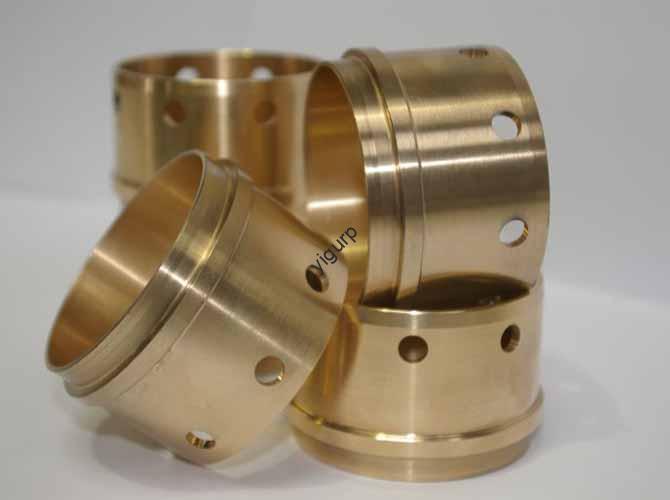
Our Capabilities: Yigu Technology’s Brass Machining Strengths
Yigu Technology stands out in Brass CNC Machining with a range of CNC Machining Capabilities tailored to handle brass’s distinct characteristics. Our brass machining expertise, paired with advanced machining techniques, ensures we deliver top-tier results for every project. Below is a breakdown of our key strengths:
| Capability Category | Key Features |
| Precision Machining | Achieve tight tolerances (down to ±0.001mm) for critical brass components |
| Custom Machining | Create one-off prototypes or high-volume runs (10,000+ units) tailored to unique designs |
| High-Tolerance Machining | Specialize in parts requiring high-accuracy machining for industries like aerospace and medical |
| Complex Part Production | Expertise in machining intricate brass parts, including threaded features and thin-walled structures |
| End-to-End Support | Full-service solutions: design consultation, machining, surface treatment, and quality validation |
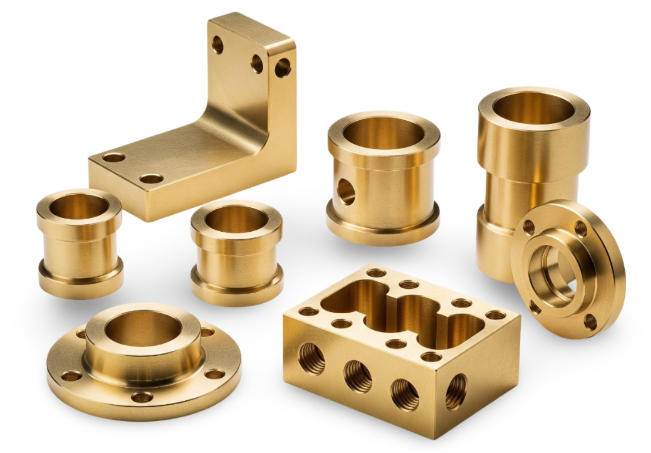
Our team’s deep understanding of brass’s behavior—such as its low friction and easy chip formation—allows us to optimize processes for minimal waste and maximum efficiency.
Process: Step-by-Step Brass CNC Machining Workflow
The Brass CNC Machining Process follows a structured sequence of brass machining process steps to transform raw brass into finished parts. Each stage is optimized to preserve brass’s properties and ensure precision:
- Design & Programming: Engineers create 3D models (using CAD software) and convert them into machine-readable G-code. This step defines tool paths for machining operations like milling (for flat surfaces) and turning (for cylindrical parts).
- Material Preparation: Raw brass materials (bars, sheets, or blocks) are cut to size and inspected for purity, ensuring they match the chosen brass alloy specifications.
- Machine Setup: Technicians mount the brass onto the CNC machine, calibrate tools (e.g., drills, end mills), and test program parameters to avoid tool wear—brass’s softness can cause premature tool dulling if not optimized.
- Core Machining Operations: The machine executes specialized techniques for brass:
- Cutting: Trimming excess material with high-speed tools to shape the part, leveraging brass’s excellent machinability.
- Grinding: Smoothing surfaces to achieve a high-quality finish, ideal for decorative or precision parts.
- Drilling: Creating holes with tight tolerances, common for electrical connectors or plumbing fittings.
- Inspection: Every part undergoes rigorous checks using tools like coordinate measuring machines (CMMs) to verify dimensional accuracy and precision tolerances.
- Finishing: Parts move to surface treatment (covered in Section 5) to enhance durability or appearance.
This workflow ensures a production efficiency rate of 96%, minimizing scrap and reducing turnaround times for brass components.
Materials: Choosing the Right Brass for Your Project
Selecting the correct brass materials is critical to the performance of CNC-machined parts. Yigu Technology offers a range of brass alloys—a type of copper-based alloys—each with unique properties suited to specific applications. Our material selection process focuses on matching alloy characteristics to client needs:
| Brass Alloy | Key Properties | Typical Applications |
| C36000 Brass | Excellent machinability (free-cutting), cost-effective | Plumbing fittings, automotive fasteners, electrical connectors |
| C26000 Brass | High ductility, good corrosion resistance, high conductivity | Heat exchangers, decorative trim, musical instruments |
| Free-Cutting Brass | Low friction, easy chip formation, ideal for high-volume production | Screws, nuts, bolts, small precision parts |
| High-Conductivity Brass | Superior electrical conductivity, good machinability | Electrical contacts, circuit board components |
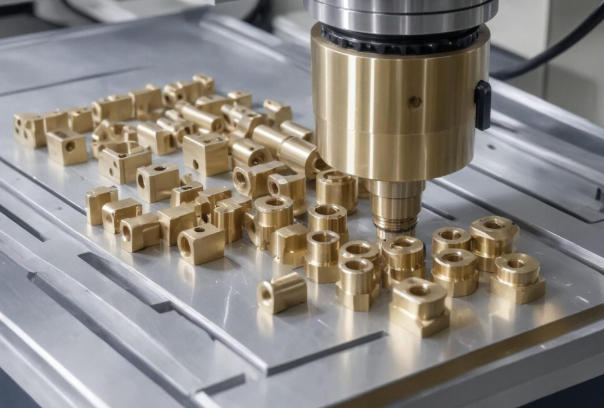
We also provide guidance on alloy selection—for example, recommending C36000 Brass for high-volume projects due to its free-cutting nature, and high-conductivity brass for electronics requiring efficient energy transfer.
Surface Treatment: Enhancing Brass Part Performance
Surface Treatment is a vital post-machining step that improves brass parts’ durability, aesthetics, and functionality. Yigu Technology offers a range of brass surface finishing options tailored to brass’s properties:
| Surface Treatment Method | Purpose |
| Plating | Coats with metals like nickel or chrome to enhance corrosion resistance and appearance |
| Polishing | Creates a smooth, reflective finish to boost aesthetics—common for decorative parts |
| Anodizing | Forms a protective oxide layer to prevent tarnishing and discoloration |
| Coating | Applies layers like clear lacquer or epoxy to preserve finish and resist scratches |
| Heat Treatment | Hardens brass (e.g., annealing) to improve strength for high-stress parts |
| Painting | Adds color for aesthetic or branding purposes, ideal for consumer goods |
Our processes ensure brass surface finishing meets industry standards, with a 99% customer satisfaction rate for both appearance and durability.
Tolerances: Ensuring Precision in Brass CNC Machining
Machining Tolerances—the allowable deviation from a part’s specified dimensions—are critical in Brass CNC Machining, where even small errors can compromise fit or functionality. Yigu Technology prioritizes high-accuracy machining, with tolerance levels tailored to project needs:
| Tolerance Level | Typical Range | Industry Requirement Example |
| Standard Tolerances | ±0.01mm to ±0.1mm | Plumbing fittings, non-critical consumer goods |
| Tight Tolerances | ±0.001mm to ±0.005mm | Aerospace components, medical device parts |
We adhere to global tolerance standards (e.g., ISO 2768) and use advanced inspection tools—like laser scanners—to verify precision tolerances. This rigorous approach ensures a 98% pass rate for parts meeting dimensional requirements, even for complex brass components.
Applications Industry: Where Brass CNC Machining Shines
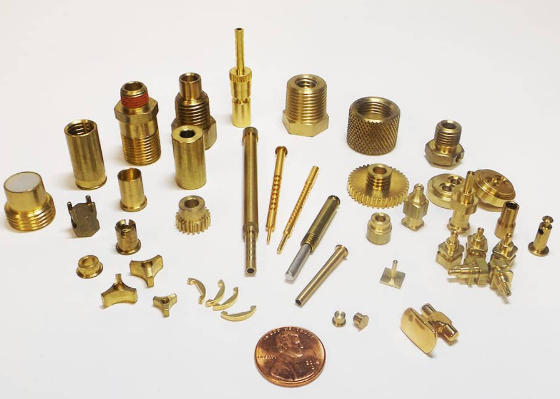
Brass CNC Machining Applications span a wide range of industries, thanks to brass’s versatility and unique properties. Below are key sectors we serve and their common uses for brass components:
| Industry | Application Examples |
| Automotive Industry | Fasteners, fuel system components, decorative trim (using C36000 Brass) |
| Aerospace Industry | Electrical contacts, hydraulic fittings, lightweight structural parts (using high-strength brass alloys) |
| Electronics Industry | Circuit board components, connectors, heat sinks (using high-conductivity brass) |
| Medical Industry | Surgical instruments, diagnostic device parts, small precision components (using corrosion-resistant brass) |
| Industrial Equipment | Gears, valves, pumps (using durable brass alloys like C26000) |
| Consumer Goods | Plumbing fixtures, musical instruments, decorative hardware (using polished brass) |
Our industry-specific expertise ensures we understand unique requirements—for example, meeting RoHS standards for electronics parts or biocompatibility standards for medical brass components.
Case Studies: Yigu Technology’s Brass CNC Machining Success Stories
Our case studies showcase how we solve real-world challenges with Brass CNC Machining. These brass machining projects and success stories highlight our ability to deliver results:
Case Study 1: Automotive Fastener Production
- Challenge: A leading automotive manufacturer needed 50,000 units of C36000 brass fasteners with tight tolerances (±0.002mm) and a nickel-plated finish for corrosion resistance.
- Solution: We used high-speed CNC turning and drilling to optimize production, leveraging C36000’s free-cutting properties to reduce tool wear. Post-machining, we applied nickel plating and conducted 100% inspection with CMMs.
- Result: 100% of fasteners met specifications, delivered 7 days ahead of schedule. The client reported a 20% reduction in production costs compared to their previous supplier.
Case Study 2: Medical Diagnostic Component Manufacturing
- Challenge: A medical device firm required 1,000 units of small brass diagnostic components with high-accuracy machining (±0.001mm) and a polished finish to meet biocompatibility standards.
- Solution: We used CNC milling for intricate geometries and precision polishing to achieve a smooth surface. Our team also conducted material purity tests to ensure compliance with ISO 10993 (medical standards).
- Result: Components passed all medical certifications, with zero defects reported in clinical use. The client expanded their order to 10,000 units within a year, citing our quality and reliability.