
Our In-Mold Labeling (IML) Services
Yigu Technology delivers industry-leading In-Mold Labeling (IML) solutions that blend precision, creativity, and efficiency.
From custom label designs to high-volume production, our expertise in IML Technology, molding integration, and quality control ensures your products stand out with durable, visually stunning labels—while reducing costs and boosting sustainability. Whether you serve packaging, automotive, or consumer goods, Yigu turns your IML vision into reality.
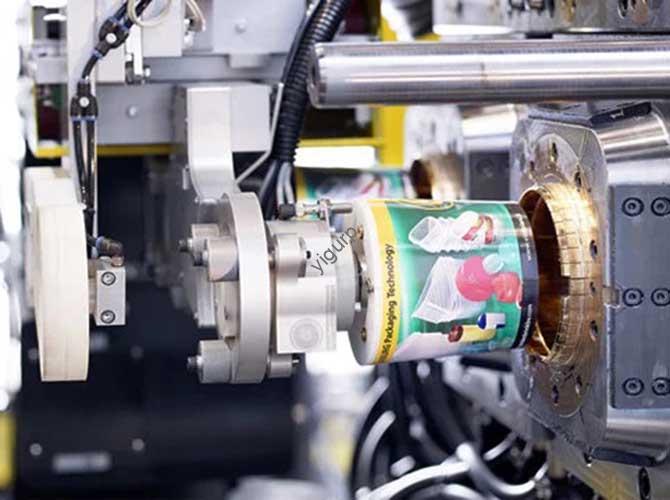
Yigu Technology’s IML Capabilities
At Yigu Technology, we tailor our In-Mold Labeling Capabilities to meet your unique needs, combining technical expertise with flexible solutions. Our core strengths include:
- Custom IML Solutions: We design labels for any product shape, size, or industry—from small electronic components to large automotive parts. Our team collaborates with you to match colors, textures, and finishes to your brand identity.
- Label Design & Printing Expertise: Using state-of-the-art digital and flexographic printing, we produce high-resolution labels with vibrant inks and consistent color accuracy. We support CMYK, Pantone, and specialty inks (e.g., metallic, matte).
- Quality Control: Our 6-step QC process includes material inspection, print verification, mold alignment checks, and post-production testing—ensuring 99.8% defect-free output.
- Production Capacity: We handle volumes from 10k to 5M+ units monthly, with lead times as short as 7–10 days for standard orders.
- Project Management: A dedicated manager oversees every project, from design approval to delivery, keeping you updated and ensuring on-time, on-budget results.
Yigu’s IML Service Range
| Service | Details | Turnaround Time |
| Custom Label Design | 3D mockups, material sampling | 2–3 business days |
| Small-Batch Production | 10k–50k units | 7–10 days |
| High-Volume Production | 500k+ units | 15–20 days |
| Quality Audits | On-site or remote (video) inspections | 24-hour response |
What Is In-Mold Labeling (IML)?
In-Mold Labeling (IML) is an advanced labeling process that fuses labels directly into plastic products during manufacturing—eliminating the need for post-production labeling steps like gluing or shrinking. Unlike traditional methods, IML Technology integrates the label with the product’s surface, creating a seamless, long-lasting finish.
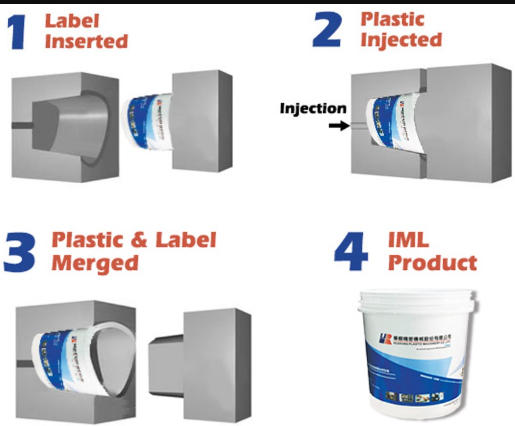
Often referred to as In-Mold Decoration (IMD), this technique works by placing a pre-printed label into a mold before plastic is injected, blown, or thermoformed. The label bonds with the plastic as it cools, resulting in a product that resists scratches, fading, and moisture.
| Traditional Labeling vs. IML | Traditional Labeling | In-Mold Labeling (IML) |
| Application Timing | Post-production | During manufacturing |
| Bond Strength | Low (prone to peeling) | High (permanent bond) |
| Aesthetics | Visible edges/seams | Seamless, 3D finish |
| Production Time | Longer (2+ steps) | Shorter (1-step process) |
| Cost (per unit, 100k+ runs) | 0.15–0.30 | 0.08–0.20 |
The IML Process: Step-by-Step
The IML Process is a streamlined sequence that combines printing, mold preparation, and plastic forming—all in one continuous workflow. Here’s how it works at Yigu:
- Printing Process: First, we print the label on a durable substrate (e.g., PET, PP) using UV-curable inks. We add a protective coating for scratch resistance or UV protection at this stage.
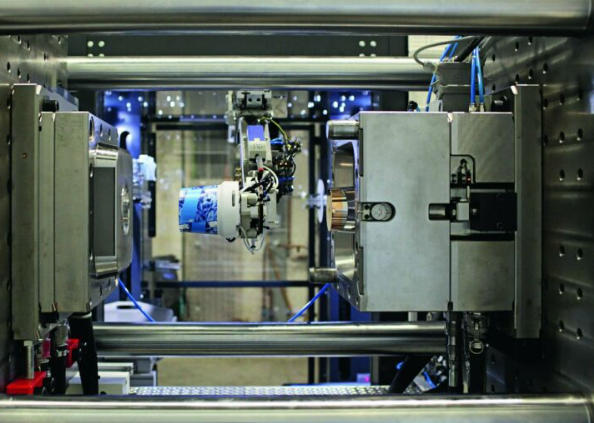
- Label Insertion: Automated robots or precision tools place the printed label into the mold cavity, ensuring correct label placement (tolerances as tight as ±0.1mm).
- Molding Integration: Plastic resin (e.g., PP, PE, ABS) is injected, blown, or thermoformed into the mold. The heat and pressure bond the label to the plastic substrate.
- Cooling & Demolding: The product cools for 10–30 seconds (depending on size), then is removed from the mold.
- Quality Assurance: Each unit is checked for dimensional accuracy, color consistency, and label adhesion. Failed units are rejected immediately.
- Post-Processing (if needed): For specialized products, we add secondary treatments like texture application or edge trimming—though 90% of IML products require no post-work.
Key IML Process Metrics at Yigu
| Metric | Yigu’s Performance | Industry Average |
| Label Placement Accuracy | ±0.1mm | ±0.3mm |
| Production Cycle Time | 15–45 seconds/unit | 25–60 seconds/unit |
| QA Pass Rate | 99.8% | 97.5% |
IML Materials: Choosing the Right Components
The success of an IML project depends on high-quality IML Materials. Yigu uses only industry-grade components to ensure durability and aesthetics:
- Label Materials: Primary substrates include PET (for clarity), PP (for flexibility), and PE (for low-cost applications). We also offer recyclable options (e.g., rPET) to support sustainability goals.
- Plastic Substrates: Compatible with most thermoplastics, including PP, PE, ABS, PS, and PC. We match the substrate to your product’s use case (e.g., PC for high-temperature automotive parts).
- Adhesives: No additional adhesives are needed—our labels use ink and coating systems that bond directly to plastic during molding. For extreme conditions, we offer specialty bonding agents.
- Inks: UV-curable inks that resist fading, chemicals, and UV light. We comply with global standards (e.g., FDA for food packaging, REACH for EU markets).
- Coatings: Options include gloss (for shine), matte (for a soft finish), and anti-scratch coatings (for high-wear products like toys or tools).
Material Compatibility Guide
| Label Material | Compatible Plastic Substrates | Best For |
| PET | PP, PS, ABS | Clear packaging, electronics |
| PP | PP, PE | Flexible products, containers |
| PE | PE, LDPE | Low-cost, disposable items |
| Recyclable rPET | rPP, rPE | Sustainable packaging, consumer goods |
Advantages of IML: Why It’s Better Than Traditional Labeling
Advantages of IML make it the preferred choice for brands looking to improve product quality, reduce costs, and enhance sustainability:
- Cost-Effectiveness: IML eliminates post-production labeling steps (e.g., gluing, drying), cutting labor and material costs by 20–30% for high-volume runs.
- Enhanced Aesthetics: Seamless labels with no edges or seams create a premium look—ideal for luxury goods, cosmetics, and electronics.
- Durability: Labels are resistant to water, chemicals, and scratches (last 3–5x longer than traditional labels), reducing product returns.
- Customization: IML supports complex designs, including 3D shapes, textures, and variable data (e.g., serial numbers for traceability).
- Environmental Benefits: Using recyclable IML Materials (e.g., rPET) and reducing waste (no label scrap) helps brands meet sustainability goals. Yigu’s IML products are 100% recyclable in most plastic streams.
- Time Efficiency: The 1-step process cuts production time by 30–40%, allowing faster time-to-market for new products.
Cost Savings with IML (100k Unit Run)
| Cost Category | Traditional Labeling | IML (Yigu) | Savings |
| Labor | $8,000 | $3,000 | $5,000 |
| Materials (labels) | $15,000 | $10,000 | $5,000 |
| Post-Processing | $7,000 | $0 | $7,000 |
| Total | $30,000 | $13,000 | $17,000 |
IML Applications by Industry
IML Applications span nearly every sector, as the technology adapts to diverse product needs. Yigu serves the following key industries:
- Packaging Industry: The largest IML market—used for food containers (e.g., yogurt cups), beverage bottles, and cosmetic jars. IML labels resist moisture and oil, keeping packaging looking new.
- Automotive Industry: Interior parts (e.g., dashboard panels, door handles) and exterior components (e.g., wheel covers) use IML for scratch-resistant, UV-stable labels.
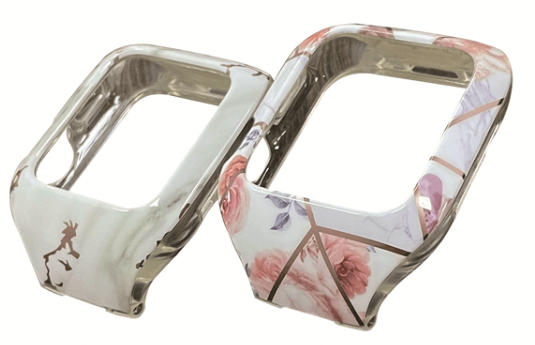
- Electronics: Phone cases, laptop bezels, and smart device housings use IML for sleek, fingerprint-resistant labels.
- Consumer Goods: Toys, household appliances (e.g., blender controls), and personal care products (e.g., shampoo bottles) benefit from IML’s durability and customization.
- Healthcare: Medical device packaging (e.g., pill bottles) and equipment labels require FDA-compliant IML materials that resist sterilization processes.
- Toys and Games: IML labels on toys withstand rough play and cleaning, meeting safety standards (e.g., ASTM F963).
Top IML Applications at Yigu (2025)
| Industry | % of Yigu’s IML Projects | Popular Products |
| Packaging | 45% | Food containers, cosmetic jars |
| Automotive | 20% | Dashboard panels, control knobs |
| Consumer Goods | 18% | Appliance labels, toy parts |
| Electronics | 12% | Phone cases, smartwatch bands |
| Healthcare | 5% | Medical device packaging |
Yigu Technology’s IML Case Studies
Our IML Case Studies showcase how we solve unique challenges for clients across industries:
Case Study 1: Sustainable Packaging for a Global Food Brand
- Challenge: A major food company needed recyclable yogurt cup labels that resisted dairy acids and maintained color consistency.
- Solution: Yigu used rPET label materials and UV-curable inks. We optimized the IML process to work with the client’s existing injection molding line.
- Results: 100% recyclable cups, 25% cost savings vs. traditional labels, and zero label peeling (even after 6 months of refrigeration). The client ordered 2M+ units monthly.
Case Study 2: Automotive Interior Labels for a Luxury Car Maker
- Challenge: A luxury automaker required scratch-resistant, matte-finish labels for dashboard controls—with strict color matching (ΔE < 0.8).
- Solution: We applied a 4H anti-scratch coating and used Pantone-matched inks. Our plasma treatment ensured the label bonded to the ABS plastic substrate.
- Results: Labels passed 5,000+ abrasion tests, color consistency met ΔE = 0.6, and production was scaled to 50k units/month.