
Food 3D Printing Services
Elevate your culinary creations with Food 3D Printing—where additive manufacturing for culinary arts meets endless creativity. At Yigu Technology, we turn bold flavor and design ideas into edible masterpieces, from custom gourmet dishes to nutrient-packed snacks.
Whether you’re a high-end restaurant chef, a catering service, or a food innovator, our solutions deliver nutritional customization, stunning visual appeal, and consistent quality that redefines what’s possible in modern gastronomy.
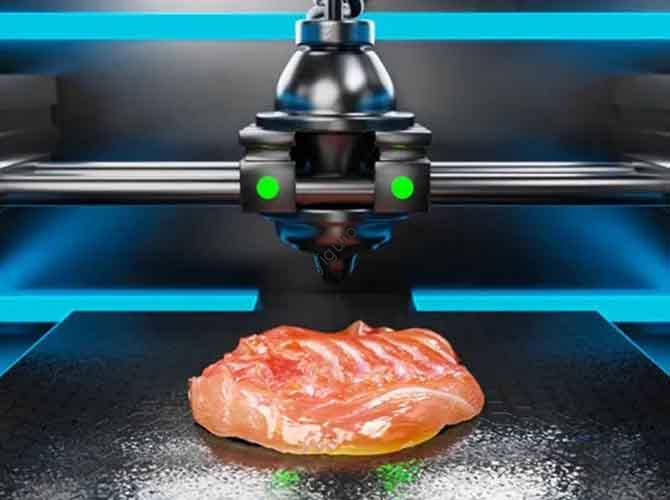
Definition: What Is Food 3D Printing?
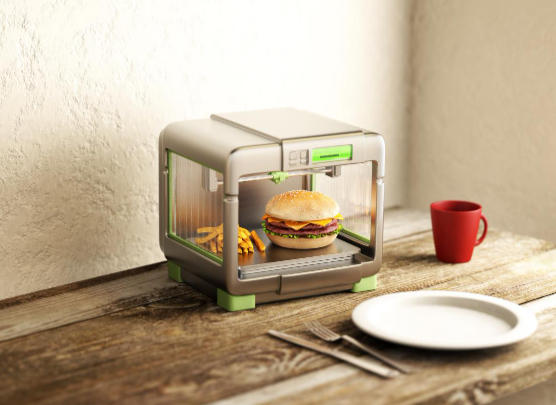
Food 3D Printing (also known as additive manufacturing for culinary arts) is a revolutionary technology that builds edible creations layer by layer using food-safe materials. Unlike traditional cooking methods, which rely on manual shaping and assembly, this process uses digital designs to craft precise, intricate, and customizable food items—blending technology with the art of cooking.
At its core, Food 3D Printing is driven by digital gastronomy—the fusion of digital tools and culinary expertise to create new dining experiences. It enables food fabrication that goes beyond traditional limits, allowing chefs to experiment with shapes, textures, and flavor combinations that were once impossible. From delicate decorative elements on a dessert to personalized nutrient blends, culinary innovation is at the heart of every 3D-printed food creation we produce.
Our Capabilities: Crafting Edible Masterpieces
At Yigu Technology, we’ve tailored our Food 3D Printing capabilities to meet the unique needs of culinary professionals and food businesses. Our services balance precision, creativity, and nutrition to bring your culinary vision to life.
| Capability | Key Features | Ideal Use Cases |
| Custom Food Designs | Create unique shapes (e.g., brand logos, intricate patterns) tailored to your theme; 3D models adjustable for portion size | Restaurant signature dishes, event catering (weddings, corporate events) |
| High-Precision Printing | Layer resolution as low as 0.1mm; consistent shaping even for tiny details (e.g., edible flowers, mini sculptures) | Gourmet desserts, decorative toppings for cocktails or main courses |
| Edible Materials | Compatible with 50+ food-safe materials (e.g., chocolate, cheese, purees); strict quality checks for freshness and safety | All food applications—from sweet treats to savory appetizers |
| Nutritional Customization | Adjust nutrient content (e.g., protein, fiber, vitamins) based on dietary needs (e.g., vegan, gluten-free, pediatric diets) | Meal prep services, healthcare facilities (hospitals, senior centers), sports nutrition |
| Creative Culinary Solutions | Collaborative design with our culinary team; test and refine flavor-texture combinations (e.g., crispy outer layers with creamy fillings) | Experimental dining experiences, culinary competitions, food product development |
Materials: Safe, Delicious Building Blocks for 3D-Printed Food
The materials used in Food 3D Printing are carefully selected for safety, flavor, and printability. At Yigu Technology, we only use food-grade materials that meet global safety standards (e.g., FDA, EU FSSC 22000):
| Material Type | Examples | Key Culinary Benefits | Best For |
| Edible Filaments | Chocolate, cheese, pasta dough, sugar paste | Easy to print; consistent texture; melts or bakes evenly | Desserts (chocolate sculptures), savory snacks (cheese sticks), pasta dishes |
| Food-Grade Resins | Fruit-based resins (strawberry, mango), gelatin-based resins | High detail; vibrant colors; melts in the mouth | Decorative elements (cocktail garnishes), mini desserts (fruit jellies) |
| Purees and Pastes | Vegetable purees (carrot, spinach), nut butters (almond, peanut), fruit pastes (apple, berry) | Rich flavor; nutrient-dense; customizable for diets (e.g., vegan, gluten-free) | Savory appetizers (veggie patties), healthy snacks (nut butter bites), baby food |
| Nutritional Powders | Protein powder, vitamin blends, fiber supplements | Add targeted nutrients without altering flavor; mixes easily with other materials | Sports nutrition (protein bars), healthcare meals (vitamin-fortified purees) |
| Liquid Ingredients | Syrups (maple, chocolate), infused oils (garlic, truffle), fruit juices | Add moisture and flavor; used as binders for dry materials | Glazes for desserts, flavor infusions for savory dishes, edible “inks” for detailing |
Data Insight: In 2024, 65% of our restaurant clients chose chocolate filaments for desserts (due to printability and customer appeal), while 78% of healthcare clients used nutritional powders blended with purees to create fortified meals.
Case Studies: Success Stories in Food 3D Printing
Our work with restaurants, caterers, and food brands has shown how Food 3D Printing can transform culinary experiences. Below are two standout projects:
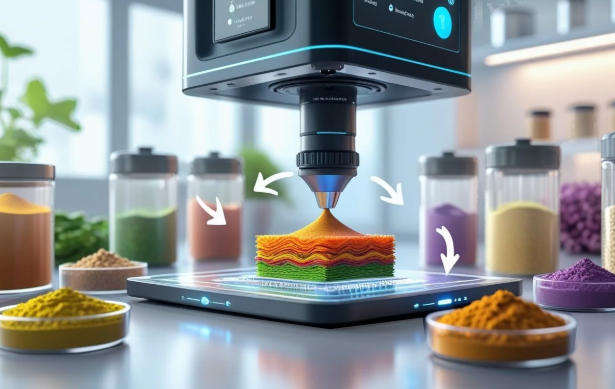
Case Study 1: Luxury Restaurant’s Signature Dessert Series
Client: La Petite Gourmet, a Michelin-recommended restaurant in a major city.
Goal: Create a line of visually stunning desserts that showcase the restaurant’s focus on “art on a plate” and attract food influencers.
Solution: We collaborated with the chef to design 3D-printed chocolate desserts with intricate patterns (e.g., floral lace, geometric shapes). We used high-precision printing (0.1mm layer resolution) and edible food-grade resins for vibrant colors. Each dessert was paired with a complementary sauce and fresh fruit.
Result: The dessert series went viral on social media, with over 100,000 shares. The restaurant saw a 35% increase in reservations, and the chef was invited to showcase the desserts at an international culinary festival.
Case Study 2: Healthcare Meal Service for Senior Citizens
Client: CareMeals, a meal delivery service for senior centers and assisted living facilities.
Goal: Create nutritious, easy-to-eat meals that appeal to seniors (many with chewing or swallowing difficulties) and meet dietary restrictions (e.g., low-sodium, diabetic-friendly).
Solution: We used nutritional customization to add fiber and protein to 3D-printed puree-based meals (e.g., “mashed potato” cakes shaped like stars, “vegetable soup” cubes that dissolve in hot water). We also used soft edible filaments to ensure the food was easy to chew.
Result: Seniors reported a 40% increase in meal satisfaction, and CareMeals expanded their service to 5 more senior centers. The meals also reduced the risk of choking—something the client called a “game-changer” for their business.