
Toy 3D Printing Services
Transform playtime with Toy 3D Printing—where additive manufacturing for toys meets endless creativity. At Yigu Technology, we turn bold toy ideas into durable, safe, and unique playthings, from custom action figures to educational building blocks.
Whether you’re a toy brand, a parent, or an educator, our solutions deliver rapid prototyping, precise customization, and cost-effective production that redefines what’s possible in toy manufacturing.
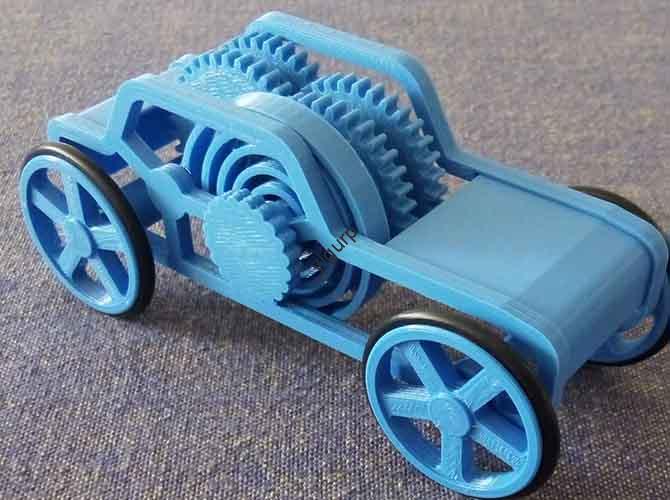
Definition: What Is Toy 3D Printing?
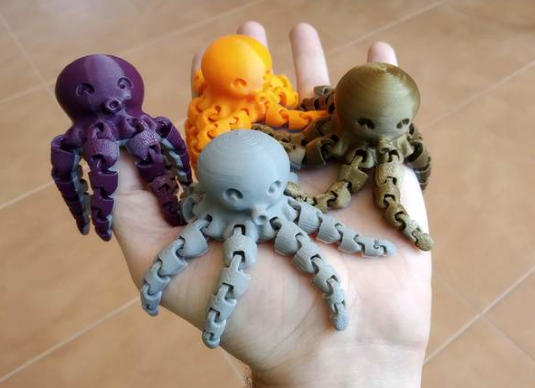
Toy 3D Printing (also known as additive manufacturing for toys) is an innovative technology that builds toys layer by layer using specialized, child-safe materials. Unlike traditional toy manufacturing— which relies on expensive molds and mass production—this process uses digital designs to create customized, intricate, and on-demand playthings.
At its core, Toy 3D Printing is driven by digital toy fabrication—the use of 3D modeling software to design every detail of a toy, from the texture of an action figure’s armor to the shape of a puzzle piece. It enables rapid prototyping for toys, letting brands test new designs in days instead of months, and empowers custom toy production—so parents can create toys tailored to their child’s interests (e.g., a doll that looks like their kid) or educators can design toys that fit specific learning goals.
Our Capabilities: Crafting Toys That Inspire Play
At Yigu Technology, we’ve tailored our Toy 3D Printing capabilities to meet the unique needs of toy brands, parents, and educators. Our services balance precision, safety, and creativity to bring your toy vision to life.
| Capability | Key Features | Ideal Use Cases |
| High-Precision Printing | Layer resolution as low as 0.1mm; captures tiny details (e.g., facial features on dolls, engravings on puzzle pieces) | Action figures, detailed doll accessories, intricate puzzle toys |
| Custom Toy Designs | Fully personalized designs (e.g., custom characters, branded toys); collaborative design process with clients | Personalized dolls for kids, branded toys for small businesses, limited-edition collectibles |
| Intricate Details | Supports complex shapes (e.g., movable joints on action figures, interlocking puzzle parts); no extra tooling needed | Interactive toys, mechanical puzzle toys, articulated action figures |
| Durable and Safe Materials | Uses child-safe, non-toxic materials (tested to meet ASTM F963, EN 71 standards); materials resistant to wear and tear | All toys for kids (toddlers to teens), outdoor play toys, frequently used educational toys |
| Rapid Prototyping | Turnaround time as fast as 24 hours for simple prototypes; iterative design support | Toy brand design testing, educator-developed learning toys, startup toy concepts |
Process: From Design to Playable Toy
Creating a 3D-printed toy is a structured, collaborative process that prioritizes safety, durability, and fun. At Yigu Technology, we streamline this process to ensure quality and speed:
- Design and Modeling: We start by working with you to refine the toy’s design—whether it’s a custom character or an educational tool. Our team uses 3D modeling software (e.g., Blender, Tinkercad) to create a digital model, and we share drafts for feedback to ensure the design fits your vision.
- Material Preparation: Based on the toy’s use (e.g., toddler-safe, outdoor use), we select and prepare the right material. We melt and extrude materials like PLA or ABS into printable filaments, ensuring they meet child-safety standards (no toxic chemicals, smooth edges).
- Printing and Layering: The 3D printer builds the toy layer by layer, following the digital model. For toys with moving parts (e.g., action figures with joints), the printer prints each component separately—ensuring a perfect fit for smooth movement.
- Post-Processing (Painting, Assembly): After printing, we refine the toy through sanding (to remove rough edges), painting (using non-toxic, kid-safe paint), and assembly (for multi-part toys like dollhouses or puzzle sets). We ensure all parts are securely attached and free of small, choking hazards.
- Quality Control: We test every toy for safety and durability—checking for sharp edges, loose parts, and resistance to wear (e.g., bending a flexible toy to ensure it doesn’t break). Only after passing these tests do we deliver the final product.
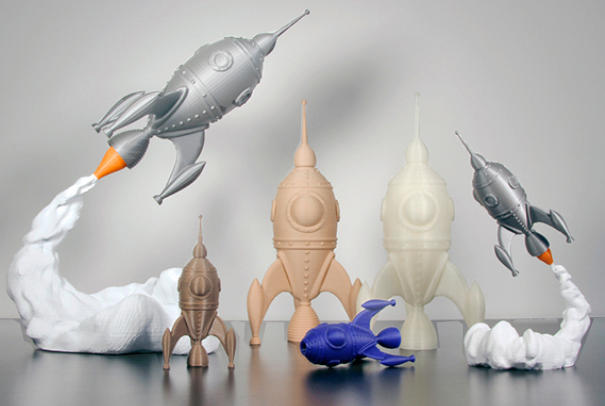
Case Studies: Success Stories in Toy 3D Printing
Our work with toy brands, parents, and educators has shown how Toy 3D Printing can transform play and learning. Below are two standout projects:
Case Study 1: Small Toy Brand’s Limited-Edition Action Figure Line
Client: HeroToys, a small startup creating superhero-themed toys.
Goal: Launch a limited-edition line of action figures based on original superhero characters—without the high cost of traditional mold-making.
Solution: We collaborated with HeroToys to design 5 unique action figures with intricate details (e.g., capes, armor, movable limbs). We used high-precision printing (0.1mm layer resolution) and ABS for durability, and added non-toxic paint to bring the characters to life. We also offered rapid prototyping, letting them test 3 versions of each figure before finalizing.
Result: The 500-unit limited edition sold out in 2 weeks, and HeroToys received 1,000+ pre-orders for a second run. The brand’s social media following grew by 300%, and they were able to secure a small retail partnership—all thanks to the unique, high-quality 3D-printed figures.
Case Study 2: Educational Toy for Preschool Math Learning
Client: LittleMinds Preschool, a chain focused on early childhood education.
Goal: Create a 3D-printed toy that teaches kids ages 3–5 basic math skills (counting, addition) in a fun, hands-on way.
Solution: We designed a “Math Friends” toy set—3D-printed animal figures (e.g., a bear, a rabbit) with removable numbered parts (e.g., the bear has 5 removable paws, each with a number 1–5). We used food-grade PLA (safe for kids who mouth toys) and bright colors to make learning engaging. We also prototyped 2 versions to test with kids, refining the size of the parts to be easy for small hands to hold.
Result: Preschool teachers reported that kids using the “Math Friends” set showed a 40% improvement in counting skills after 1 month. LittleMinds expanded the toy to all 10 of their locations, and other preschools began ordering the set—turning it into a small, profitable product for the chain.