
Our Copper Die Casting Services
At Yigu Technology, our Copper Die Casting solutions deliver unmatched performance for applications demanding high conductivity, strength, and corrosion resistance. With deep copper alloy expertise, advanced precision casting capabilities, and strict quality assurance, we transform durable copper alloys into complex, dimensionally accurate components for electrical, automotive, and marine industries.
Whether you need high-volume production or custom-designed parts, we combine technical innovation with reliable service to meet your most demanding requirements.
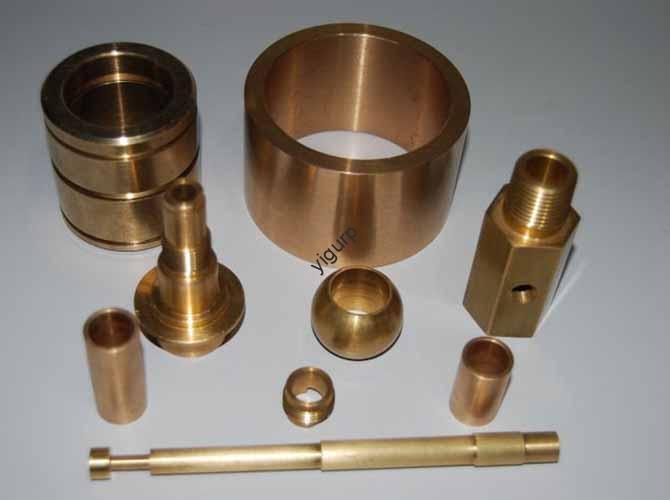
Yigu Technology’s Copper Die Casting Capabilities
Our Copper Die Casting Capabilities are engineered to handle the unique demands of copper alloys, from simple electrical components to complex industrial parts.
Key Capabilities Breakdown
| Capability Area | Details |
| High-Volume Production | 30,000–300,000 units/month (optimized for electrical and plumbing components) |
| Complex Part Manufacturing | Ability to produce parts with intricate features (thin walls down to 1mm, small holes) |
| Precision Casting | Achieves tight tolerances as low as ±0.05mm for critical features |
| Custom Die Casting | Tailored mold design, alloy blending, and surface treatment for unique project needs |
| Copper Alloy Expertise | 12+ years of experience working with brass, bronze, and custom copper alloys |
| Quality Assurance | ISO 9001 & IATF 16949 certified; 100% inspection (dimensional, conductivity, defect checks) |
What Is Copper Die Casting?
Copper Die Casting is a specialized metal forming process that uses high pressure to force molten copper alloy into a steel mold (die), producing parts with exceptional conductivity, strength, and durability. As a key branch of die casting basics, it addresses the unique challenges of copper’s high melting point (1,085°C) by using specialized equipment and techniques.
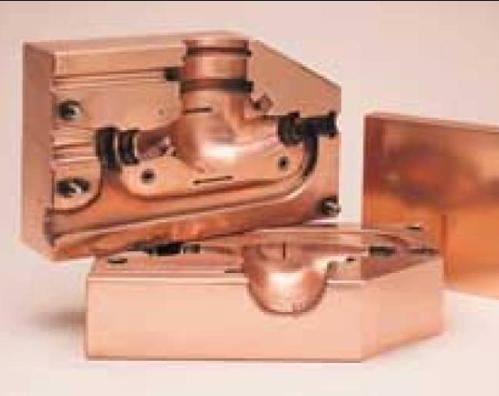
A clear process overview highlights its efficiency: Molten copper alloy (heated to 1,100–1,200°C) is injected into a preheated die at pressures ranging from 80–150 MPa. The metal cools and solidifies under pressure to minimize porosity, then the die opens to eject the finished part. Table 1 compares copper die casting to other common die casting metals:
| Die Casting Type | Metal Used | Melting Point | Key Benefit | Ideal Use Case |
| Copper Die Casting | Copper Alloys | 1,085–1,200°C | High conductivity, strength, corrosion resistance | Electrical connectors, plumbing valves |
| Aluminum Die Casting | Aluminum Alloys | 650–750°C | Lightweight + cost-effective | Automotive structural parts |
| Zinc Die Casting | Zinc Alloys | 380–420°C | Low cost, small part precision | Electronics housings, hardware |
The Copper Die Casting Process
The Copper Die Casting Process follows a structured workflow optimized for copper’s high melting point and thermal properties.
- Die Preparation: The steel die (made from heat-resistant H13 or H11 steel) is preheated to 250–350°C and coated with a high-temperature lubricant to prevent metal sticking.
- Metal Injection: Molten copper alloy is transferred from a holding furnace to the die’s cold chamber, then injected into the cavity at high speed (1–4 m/s) and pressure (80–150 MPa) to ensure full filling.
- Cooling and Solidification: The metal solidifies under pressure (15–40 seconds, depending on part size) to reduce porosity and maintain dimensional accuracy. Coolant channels in the die speed up this process while preventing warping.
- Ejection: The die opens, and ejector pins push the finished part out—copper’s moderate shrinkage rate (1.2–1.5%) ensures the part retains its shape.
- Trimming and Finishing: Excess material (flash) is removed via automated trimming tools, and parts undergo optional machining or surface treatment.
- Process Control: Real-time sensors monitor temperature, pressure, and injection speed to ensure consistency and minimize defects.
On average, the total cycle time for a medium-sized copper part (e.g., an electrical connector) ranges from 25–45 seconds.
Materials Used in Copper Die Casting
Choosing the right copper die casting materials is critical for part performance, and we offer expert alloy selection support to match your project’s requirements.
Copper Alloy Properties & Applications
| Alloy Type | Common Grades | Key Material Properties | Typical Applications |
| Brass Alloys | C36000 (Free-Cutting Brass) | High conductivity (45% IACS), good machinability, corrosion resistance | Electrical connectors, plumbing fittings |
| Bronze Alloys | C93200 (Leaded Tin Bronze) | High strength (350–450 MPa), wear resistance, low friction | Industrial bearings, gears, marine components |
| Specialty Copper Alloys | C17200 (Beryllium Copper) | High strength (600–700 MPa), excellent conductivity (25% IACS), non-magnetic | Aerospace components, high-precision electrical parts |
| Custom Copper Alloys | Blended to specs | Tailored for enhanced conductivity, strength, or corrosion resistance | Medical devices, high-temperature industrial parts |
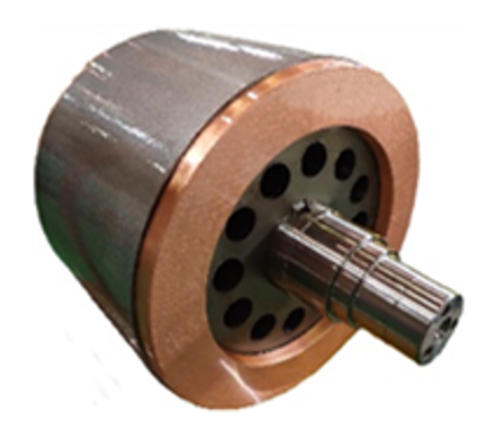
All our copper alloys undergo rigorous testing for conductivity (via four-point probe testing), strength (tensile and yield tests), and corrosion resistance (salt spray and immersion tests). Additionally, copper’s recyclability (100% recyclable with no loss of quality) supports sustainable manufacturing goals.
Advantages of Copper Die Casting
The Copper Die Casting Advantages make it the top choice for applications requiring conductivity, strength, and durability.
- High Conductivity: Copper alloys offer electrical conductivity up to 60% IACS (International Annealed Copper Standard)—critical for electrical and telecommunications parts.
- High Strength: Bronze and specialty copper alloys deliver tensile strength up to 700 MPa, suitable for structural and high-load applications (e.g., industrial gears).
- Corrosion Resistance: Brass and bronze resist rust and chemical damage, making them ideal for marine, plumbing, and outdoor applications.
- Aesthetic Appeal: Polished copper parts have a premium, timeless look—perfect for architectural hardware and decorative consumer goods.
- Precision: Tight tolerances and consistent part geometry ensure seamless integration into assemblies, reducing rework.
- Cost-Effectiveness: For high-volume production, die casting eliminates the need for expensive machining of solid copper, lowering per-unit costs by 20–30%.
- Design Flexibility: Copper flows into complex molds, enabling intricate features (thin walls, small holes) that would be difficult to achieve with other processes.
- Recyclability: Copper is 100% recyclable, with recycling requiring 85% less energy than producing primary copper—supporting sustainability goals.
Industry Applications of Copper Die Casting
Copper Die Casting Applications span diverse industries, thanks to copper’s unique combination of conductivity, strength, and corrosion resistance.
| Industry | Key Applications | Alloy of Choice | Why Copper Die Casting? |
| Electrical Industry | Connectors, terminals, circuit breakers, transformer components | C36000 Brass, C17200 Beryllium Copper | High conductivity, precision |
| Automotive Industry | Electrical system parts (wiring harness connectors), brake components, heat exchangers | C36000 Brass, Bronze Alloys | Conductivity, strength, corrosion resistance |
| Plumbing Industry | Valves, fittings, pipe connectors, faucet components | C36000 Brass, Bronze Alloys | Corrosion resistance, durability |
| Telecommunications | Antenna components, signal connectors, 5G base station parts | C36000 Brass, C17200 Beryllium Copper | High conductivity, dimensional stability |
| Marine Industry | Propeller components, valve bodies, hull fittings | Bronze Alloys (C93200) | Superior corrosion resistance in saltwater |
| Industrial Machinery | Bearings, gears, pump housings, valve stems | Bronze Alloys (C93200) | Wear resistance, high strength |
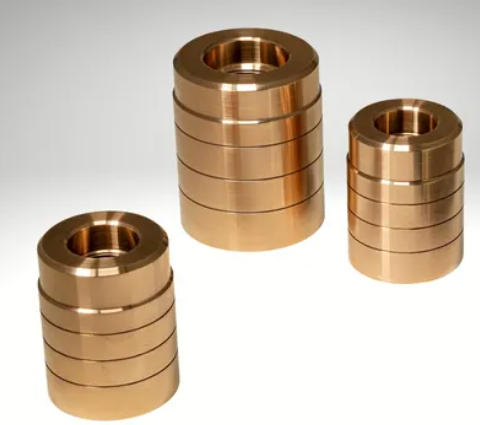
Case Studies: Yigu Technology’s Copper Die Casting Success Stories
Our Copper Die Casting Case Studies showcase how we solve real-world challenges for clients across industries.
Case Study 1: Electrical Connector Components
- Challenge: A global electrical manufacturer needed 200,000 brass connectors monthly, with high conductivity (≥40% IACS), tight tolerances (±0.06mm), and corrosion resistance for outdoor use.
- Solution: Used C36000 brass alloy in our cold-chamber die casting process, with nickel plating for corrosion protection and automated quality inspection.
- Result: Connectors achieved 45% IACS conductivity, 99.8% defect-free rate, and met IEC 60947 electrical standards. Production costs were reduced by 22% vs. the client’s previous machining process.
Case Study 2: Marine Valve Bodies
- Challenge: A marine equipment firm required durable bronze valve bodies with superior saltwater corrosion resistance and strength (≥350 MPa).
- Solution: Utilized C93200 leaded tin bronze and added a specialized epoxy coating for enhanced protection. Designed custom molds to integrate internal flow channels, eliminating secondary drilling.
- Result: Valves passed 5,000+ hours of salt spray testing, withstood 400 MPa of pressure, and met ABS (American Bureau of Shipping) marine standards.