
Our Acrylonitrile Butadiene Styrene ABS CNC Machining Services
Unlock precision and reliability with Acrylonitrile Butadiene Styrene (ABS) CNC Machining from Yigu Technology. Our expert team leverages advanced technical abilities to deliver top-tier ABS machining services, covering every step from material selection to surface finishing.
Whether for automotive, electronics, or medical industries, we ensure tight tolerances, superior surface quality, and on-time delivery—your trusted partner for all ABS machining needs.
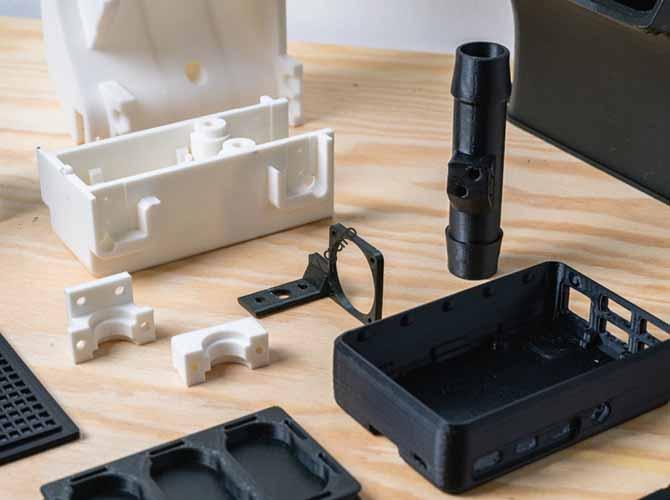
Our Capabilities: Expertise in ABS Machining
At Yigu Technology, our ABS Machining Capabilities are designed to meet diverse industry needs, backed by years of experience and advanced technical skills. Our team’s expertise covers a wide range of services, from prototyping to large-scale production. Here’s a breakdown of our key capabilities and the services offered:
| Capability Area | Technical Abilities | Services Offered |
| Precision Machining | Ability to achieve tolerances as tight as ±0.005mm; proficiency in 3-axis, 4-axis, and 5-axis CNC machining. | Custom part manufacturing, prototype development, batch production. |
| Material Handling | Deep knowledge of different ABS grades; ability to optimize machining parameters for each grade. | Material selection consulting, pre-machining material testing. |
| Surface Treatment Integration | Seamless integration of surface finishing processes with machining, ensuring consistent quality. | Polishing, coating application, surface enhancement for ABS parts. |
What we can do extends beyond standard machining—we collaborate with clients to solve unique challenges, whether it’s designing a complex geometry or meeting strict industry standards.
What is ABS CNC Machining?
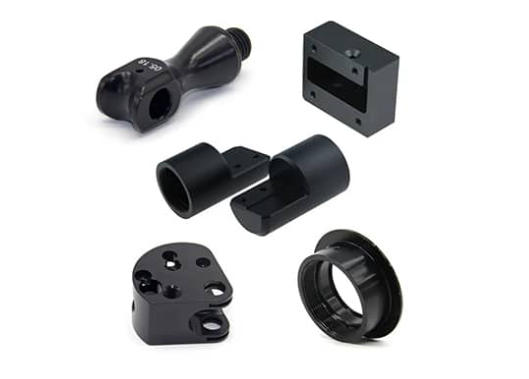
Acrylonitrile Butadiene Styrene (ABS) is a thermoplastic polymer celebrated for its balance of strength, impact resistance, and moldability. ABS CNC Machining refers to the computer-controlled process that shapes ABS materials into precise, custom parts using CNC (Computer Numerical Control) machines. This method combines the versatility of ABS with the accuracy of CNC technology, making it ideal for producing complex components with consistent quality. Below is an overview of key terms in ABS CNC Machining to clarify basic concepts:
| Term | Explanation |
| Acrylonitrile Butadiene Styrene (ABS) | A thermoplastic blend of three monomers, offering high impact strength and rigidity. |
| ABS CNC Machining | The use of CNC machines to cut, drill, or mill ABS into custom parts with high precision. |
| Basic Concept | Computer programs guide machining tools to remove material from ABS stock, ensuring dimensional accuracy. |
Process: How ABS CNC Machining Works
The ABS CNC Machining Process follows a structured workflow to ensure efficiency and precision, from initial design to final inspection. Each step is carefully monitored to avoid errors and maintain quality. Below is a detailed process flow with key procedures and methodologies:
- Design & Programming: Engineers use CAD (Computer-Aided Design) software to create 3D models of the part. CAM (Computer-Aided Manufacturing) software then converts these models into machine-readable code, defining tool paths and cutting parameters. This methodology ensures that every detail of the part is accounted for.
- Material Preparation: The selected ABS material (based on client requirements) is cut into appropriate stock sizes. This step includes checking material properties (such as impact resistance and melting point) to confirm it meets the project’s needs.
- Machining Operation: The CNC machine executes the programmed tool paths, removing material from the ABS stock. Common operations include milling, turning, and drilling. The process is automated, reducing human error and ensuring consistency across parts.
- Surface Treatment: After machining, parts undergo surface finishing processes (such as polishing or coating) to improve appearance and durability. This step is critical for parts that require resistance to wear or environmental factors.
- Inspection & Quality Control: Parts are inspected using precision tools (such as calipers and coordinate measuring machines) to verify they meet tolerance levels and dimensional accuracy. Any defective parts are reworked or discarded to maintain quality standards.
Materials: Types of ABS Used in Machining
Choosing the right ABS Materials is essential for ensuring the performance of the final part. Different grades of ABS offer varying properties, making them suitable for specific applications. Below is a table of common ABS grades, their material properties, and typical uses:
| ABS Grade | Material Properties | Common Applications |
| ABS General Purpose (GP-ABS) | High impact resistance, good rigidity, easy to machine. | Consumer goods (toys, appliances), automotive interior parts. |
| ABS Flame Retardant (FR-ABS) | Fire-resistant, meets UL94 V-0 standards, good mechanical strength. | Electronics (circuit boards, enclosures), electrical components. |
| ABS High Heat Resistance (HH-ABS) | Can withstand temperatures up to 120°C, excellent dimensional stability. | Automotive under-the-hood parts, industrial machinery components. |
| ABS Glass-Filled (GF-ABS) | Enhanced stiffness and strength, reduced warpage. | Structural parts (brackets, supports), medical devices. |
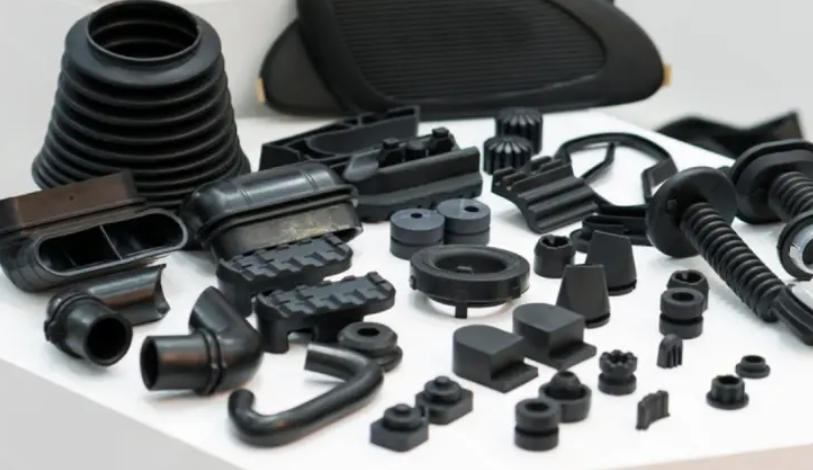
Our material selection process involves working with clients to understand their application requirements (such as temperature exposure or load-bearing needs) and recommending the most suitable ABS grade. We source high-quality ABS materials from trusted suppliers to ensure consistency and reliability.
Advantages: Why Choose ABS CNC Machining
ABS CNC Machining offers numerous benefits that make it a preferred choice for many industries. From cost-effectiveness to versatility, these advantages provide a strong value proposition for clients. Below are the key pros of ABS CNC Machining:
- Cost-Effective for Medium to High Volumes: ABS is an affordable material, and CNC machining allows for efficient production of large batches, reducing per-unit costs. Compared to other machining methods, ABS CNC Machining offers a competitive edge in terms of cost for medium to high-volume orders.
- High Impact Resistance & Durability: ABS materials have excellent impact resistance, making parts produced via ABS CNC Machining suitable for applications that require durability (such as automotive or industrial parts). This property reduces the risk of part failure and extends the product’s lifespan.
- Versatility in Design: CNC machining can handle complex geometries, allowing for the production of custom parts with intricate details. ABS’s moldability further enhances this versatility, making it possible to create parts with unique shapes and features.
- Fast Turnaround Times: The automated nature of CNC machining reduces production time, enabling quick delivery of parts. This is especially beneficial for clients with tight deadlines or urgent project needs.
- Consistent Quality: CNC machines operate with high precision, ensuring that every part in a batch meets the same quality standards. This consistency eliminates the variability often associated with manual machining, reducing the need for rework or replacements.
Applications Industry: Where ABS CNC Machining Shines
ABS CNC Machining is widely used across various industries, thanks to its versatility and the unique properties of ABS materials. Below is a breakdown of key industry applications, use cases, and market segments that benefit from ABS CNC Machining:
| Industry | Application Areas | Use Cases | Market Segments |
| Automotive | Interior components, under-the-hood parts, exterior trim. | Dashboard panels, sensor housings, connector blocks. | Passenger cars, commercial vehicles, electric vehicles. |
| Electronics | Enclosures, circuit board supports, connectors. | Smartphone cases, laptop housings, TV mounting brackets. | Consumer electronics, industrial electronics, telecommunications. |
| Medical | Diagnostic equipment parts, surgical tool handles, device enclosures. | Ultrasound probe housings, insulin pump components, medical device brackets. | Medical devices, healthcare equipment, laboratory instruments. |
| Consumer Goods | Toys, appliances, furniture parts. | Toy building blocks, refrigerator shelves, furniture hinges. | Household goods, recreational products, home appliances. |
| Industrial | Machinery components, tooling, enclosures. | Conveyor system parts, machine guards, tool holders. | Manufacturing, logistics, heavy industry. |
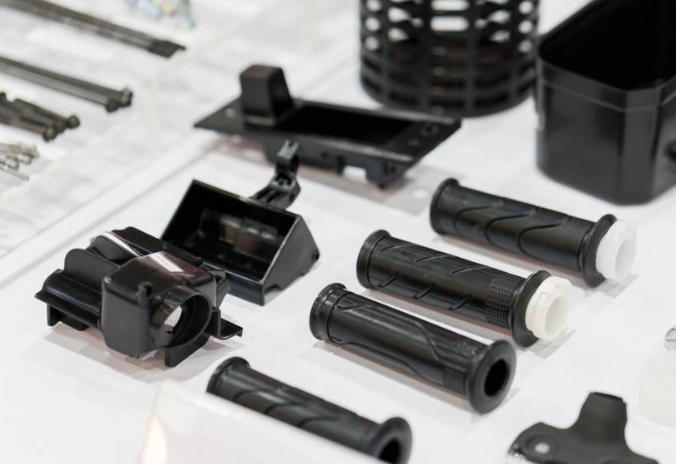
Our team has extensive experience serving these industries, understanding their unique requirements and delivering ABS parts that meet strict industry standards (such as ISO 9001 for quality and ISO 13485 for medical devices).
Case Studies: Success Stories in ABS CNC Machining
At Yigu Technology, we have completed numerous successful ABS Machining projects for clients across various industries. Below are two real-life case studies that showcase our expertise, problem-solving abilities, and the value we bring to our clients:
Case Study 1: Automotive Sensor Housing for a Leading EV Manufacturer
Challenge: The client needed a high-precision sensor housing made from flame-retardant ABS (FR-ABS) to withstand high temperatures and ensure reliable performance in electric vehicles. The part required tight tolerances (±0.01mm) and a smooth surface finish to prevent sensor interference.
Solution: We used 5-axis CNC machining to achieve the required precision, selecting FR-ABS grade UL94 V-0 for fire resistance. We also implemented a multi-step surface treatment process (polishing + protective coating) to ensure surface quality. Our quality control team conducted 100% inspection using coordinate measuring machines (CMM) to verify tolerances.
Result: We delivered 5,000 sensor housings within 4 weeks, with a 99.8% pass rate. The client reported zero performance issues in testing, and the part met all automotive industry standards (IATF 16949).
Case Study 2: Medical Device Enclosure for a Healthcare Startup
Challenge: The startup needed a custom enclosure for a portable diagnostic device, made from high-heat-resistant ABS (HH-ABS) to withstand sterilization processes. The enclosure required a textured surface for grip and a biocompatible coating to meet medical regulations.
Solution: We collaborated with the client to refine the design, recommending HH-ABS for heat resistance. We used CNC milling to create the complex enclosure shape and implemented surface etching to achieve the desired texture. We also applied a biocompatible coating that meets ISO 10993 standards.
Result: The prototype was delivered in 1 week, and the final production run of 1,000 enclosures was completed in 2 weeks. The device passed all sterilization tests, and the client secured FDA approval for their product.