
Our Polystyrene PS Injection Molding Services
Elevate your production with Yigu Technology’s top-tier Polystyrene (PS) Injection Molding services—where precision meets versatility.
Whether you need transparent packaging, lightweight consumer products, or high-volume electronic components, we leverage our injection molding expertise, custom tooling, and strict quality control to deliver cost-effective, customizable PS parts tailored to your industry needs.
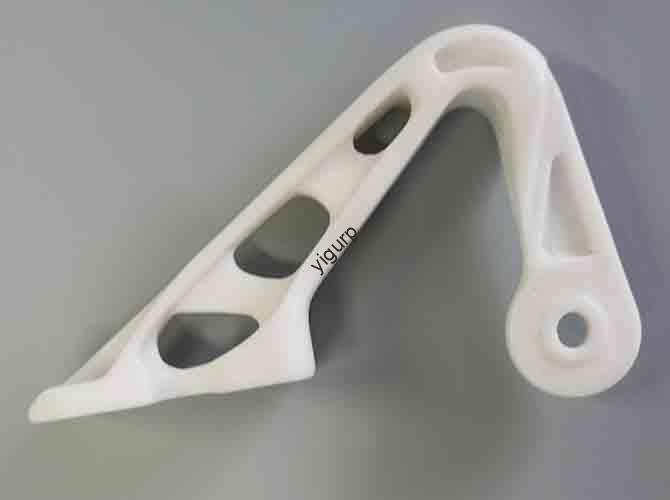
Our Capabilities: Delivering Top-Tier PS Injection Molding Solutions
At Yigu Technology, our PS injection molding expertise is built on advanced equipment, skilled engineering, and a focus on solving client challenges—from small-batch custom parts to large-scale production runs. We prioritize precision and quality to ensure your PS components meet the highest standards.
Core Capabilities Breakdown
| Capability | Details | Benefits for You |
| Custom Tooling | In-house mold design and fabrication (aluminum for prototypes, hardened steel for long-run PS parts). | Molds tailored to your part’s geometry (e.g., intricate packaging or electronic casings); lead times as short as 2–3 weeks. |
| Precision Molding | CNC-controlled injection machines with ±0.003mm tolerance; in-line vision inspection for dimensional accuracy. | Ideal for small, detailed parts (e.g., medical device components, electronic connectors) that require tight specs. |
| High-Volume Production | 30+ injection molding machines (50–600 tons clamping force) with automated feeding and ejection systems. | Capacity to produce 800,000+ PS parts/month; lower unit costs for bulk orders (e.g., packaging, consumer goods). |
| Quality Control (QC) | In-line checks (for clarity, dimensional accuracy) and post-production testing (impact, heat resistance); ISO 9001 certified. | 99.7% defect-free rate; ensures PS parts meet your industry’s quality standards (e.g., FDA for food packaging). |
What Is Polystyrene (PS) Injection Molding?
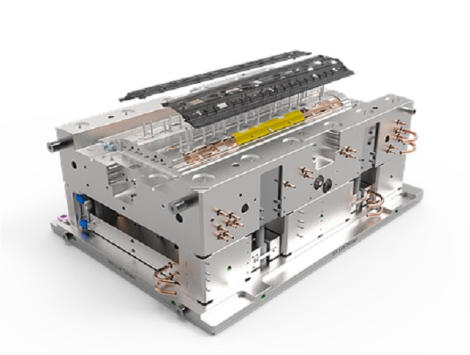
Polystyrene (PS) is a widely used thermoplastic polymer made from styrene monomers, celebrated for its clarity, affordability, and ease of processing. Injection molding is a manufacturing process that melts plastic pellets, injects the molten material into a custom mold cavity, cools it, and ejects the finished part. Combined, PS injection molding produces consistent, high-quality components for diverse sectors, leveraging PS’s unique traits to meet various application demands.
Key Definitions & Process Overview
| Term | Definition |
| Polystyrene (PS) | A thermoplastic with two main forms (rigid and foam); known for clarity, lightweight, and low cost. |
| Injection Molding | A cyclic mass-production process: PS pellets → melted → injected into mold → cooled → ejected (repeats for efficiency). |
| Mold Cavity | The hollow space in a mold that shapes the final PS part; can have 1–128 cavities for high-volume output. |
Material Properties of PS
PS’s distinct properties make it ideal for injection molding. Below are the most critical traits for manufacturers and buyers:
- Clarity and Transparency: Amorphous PS (general-purpose PS) has 90% light transmittance—comparable to glass, making it perfect for visible packaging.
- Density: 1.04–1.06 g/cm³ (lightweight, reducing shipping costs and part weight for consumer goods).
- Melting Point: 140–180°C (low melting temperature, lowering energy consumption during molding).
- Brittleness: Rigid PS is brittle (impact strength: 1.5–2.5 kJ/m²), but can be modified with rubber additives for toughness.
- Ease of Processing: Low viscosity when melted, filling complex mold details easily—ideal for intricate parts.
The PS Injection Molding Process: Step-by-Step Excellence
PS’s unique melting and cooling properties require a optimized process to avoid defects like warping or cloudiness. Our workflow ensures consistent quality while maximizing efficiency.
Step 1: Material Preparation
- Pellet Selection: Choose between general-purpose PS (GPPS, for clarity), high-impact PS (HIPS, for toughness), or foam PS (EPS, for insulation).
- Additive Blending: Mix PS pellets with additives (UV stabilizers for outdoor use, colorants for branded parts, rubber modifiers for impact resistance).
- Drying: PS absorbs minimal moisture, but we dry pellets at 60–70°C for 1–2 hours to prevent surface defects (e.g., bubbles in transparent parts).
Step 2: Mold Design
- Clarity Considerations: Molds for transparent PS parts have polished surfaces to maintain clarity (no scratches or texture that reduces light transmittance).
- Cooling Optimization: Molds include uniform cooling channels to prevent warping—critical for thin-walled PS parts (e.g., packaging).
- Prototype Testing: We 3D-print mold prototypes first to validate design (reduces costly revisions and ensures part functionality).
Step 3: Injection Parameters (Critical for PS)
PS’s low melting point and viscosity require precise parameter tuning. Below are our standard settings for GPPS (the most common PS grade):
| Parameter | Ideal Range for GPPS | Purpose |
| Barrel Temperature | 160–200°C | Melts PS evenly without degradation (higher temps cause yellowing). |
| Injection Pressure | 40–100 MPa | Fills mold cavities completely (critical for intricate details like packaging logos). |
| Cooling Time | 10–25 seconds | Prevents warping; balances speed and part stability (shorter for thin parts). |
Step 4: Post-Molding Operations
After demolding, PS parts may undergo:
- Trimming: Removing excess plastic (flash) with automated tools (critical for clear parts to maintain aesthetics).
- Assembly: Joining parts via adhesives or snap-fits (for complex components like consumer product enclosures).
Inspection: Final QC checks for clarity, dimensional accuracy, and surface quality (100% inspection for medical or food-contact parts).
Materials: Choosing the Right PS for Your Project
Not all PS is the same—selecting the right grade ensures your parts meet performance, cost, and aesthetic goals. We offer a full range of PS materials, plus recycled options.
Types of PS for Injection Molding
| PS Type | Key Traits | Common Applications |
| General-Purpose PS (GPPS) | Clear, rigid, low cost (≈1.20–1.80/kg). | Packaging (food containers, blister packs), electronic casings (remote controls), toys. |
| High-Impact PS (HIPS) | Tough, impact-resistant (impact strength: 10–20 kJ/m²), opaque. | Consumer goods (appliance parts, toy cars), automotive interior trim, medical device housings. |
| Expandable PS (EPS) | Foam-like, lightweight (density: 0.015–0.04 g/cm³), excellent insulation. | Packaging (protective inserts for electronics), disposable food containers, construction insulation. |
| Styrene-Acrylonitrile (SAN) | Heat-resistant (up to 90°C), chemical-resistant, clear. | Food packaging (coffee cups), cosmetic containers, medical device components. |
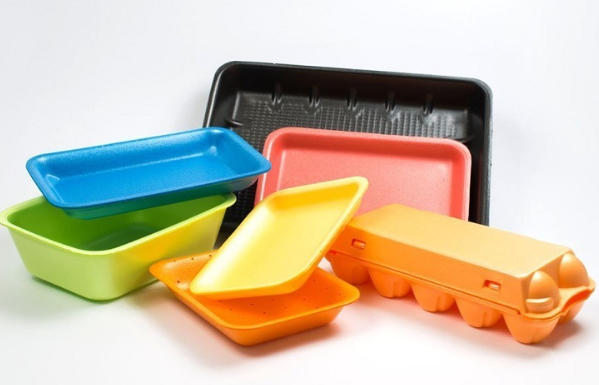
Material Selection Tips
- Prioritize clarity: For visible packaging (e.g., blister packs), choose GPPS or SAN.
- Need toughness?: Opt for HIPS (ideal for parts prone to drops, like toy cars or appliance handles).
Embrace sustainability: Our recycled PS (rPS) is made from post-consumer waste (e.g., old packaging) and retains 85% of the performance of virgin PS—perfect for eco-friendly brands.
Advantages: Why Choose PS Injection Molding?
PS injection molding offers a unique blend of cost savings, aesthetics, and versatility—making it a top choice for manufacturers across industries.
Key Advantages of PS Injection Molding
- Cost-effectiveness: PS is one of the cheapest thermoplastics (GPPS costs 1.20–1.80/kg), and injection molding’s high volume drives unit costs down to 0.05–0.30 per part (ideal for high-volume items like packaging).
- Clarity and Transparency: GPPS has 90% light transmittance—cheaper than glass or acrylic, making it perfect for packaging where product visibility matters (e.g., candy, electronics).
- Customizability: Molds can create complex shapes (e.g., intricate toy parts, custom packaging), and PS accepts additives for color, UV resistance, or toughness.
- Lightweight: PS’s density (1.04–1.06 g/cm³) is 50% less than glass and 30% less than ABS—reducing shipping costs and improving user comfort (e.g., lightweight toy parts).
- Ease of processing: PS melts at low temperatures (saves energy) and has low viscosity (fills small mold details easily)—reducing production time and defects.
PS vs. Other Common Injection Molding Plastics (for Clarity-Critical Applications)
| Material | Cost (per kg) | Light Transmittance | Impact Strength (kJ/m²) | Best For |
| GPPS | 1.20–1.80 | 90% | 1.5–2.5 | Low-cost clear packaging, toys. |
| Acrylic (PMMA) | 2.50–3.50 | 92% | 2.0–3.0 | High-end clear parts (e.g., display cases). |
| PET | 1.80–2.50 | 88% | 5.0–7.0 | Durable clear packaging (e.g., water bottles). |
Applications Industry: Where PS Injection Molding Shines
PS’s versatility—from clarity to toughness—makes it indispensable in five key industries. Below are real-world use cases and our tailored solutions:
| Industry | Common PS Parts | Our Solutions |
| Packaging | Blister packs, food containers, protective inserts (EPS), cosmetic jars. | GPPS for clear packaging; EPS for shock-absorbent inserts; FDA-compliant grades for food contact. |
| Consumer Products | Toy parts, appliance handles (HIPS), remote controls, disposable cutlery. | HIPS for impact-resistant parts; GPPS for colorful, clear toy components; custom tooling for unique shapes. |
| Medical Devices | Disposable syringes (SAN), test tubes, device housings (HIPS). | Sterilizable PS grades; ISO 13485-certified processes; precision molding for small, accurate parts. |
| Automotive | Interior trim (HIPS), cup holders, door panels, speaker grilles. | HIPS for impact resistance; UV-stabilized additives for long-term durability; custom colors to match car interiors. |
| Electronics | Remote control casings (GPPS), laptop bezels (HIPS), LED diffusers. | Precision molding for tight-fitting parts; flame-retardant additives (meets UL94 standards); textured finishes to hide fingerprints. |
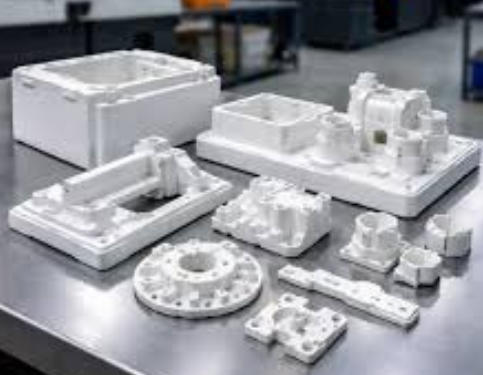
Case Studies: Our PS Injection Molding Success Stories
We’ve helped clients across industries overcome challenges with our PS injection molding services. Below are three standout projects:
Case Study 1: Clear GPPS Blister Packs for a Cosmetics Brand
- Challenge: A cosmetics brand needed 500,000 blister packs that were clear (to showcase products), low-cost, and durable enough to withstand shipping.
- Solution: We used GPPS (90% clarity) with a scratch-resistant coating and custom tooling to match the brand’s logo and product shapes. Molds had 32 cavities for high-volume production.
- Results: Blister packs reduced packaging costs by 20% vs. acrylic alternatives; 99.8% on-time delivery; customer feedback praised the clear visibility of products.
Case Study 2: Impact-Resistant HIPS Toy Parts for a Toy Manufacturer
- Challenge: A toy company needed 300,000 toy car bodies that were tough (to withstand drops), colorful, and lightweight.
- Solution: We used HIPS (impact strength: 15 kJ/m²) with color additives and custom tooling for intricate designs (e.g., wheel wells, logos). In-line QC checked for cracks and color consistency.
- Results: Toy parts had 0 breakage in drop tests (from 1.5m); production time reduced by 15% vs. their previous supplier; cost per part lowered by 12%.