
Art 3D Printing Services
Unlock boundless artistic potential with Art 3D Printing—where digital sculpting meets precision additive manufacturing for artworks. At Yigu Technology, we turn bold creative visions into tangible masterpieces, offering custom solutions for everything from intricate sculptures to large-scale installations.
Whether you’re an independent artist or a gallery curator, our art-specific 3D printing capabilities blend innovation, quality, and flexibility to redefine what’s possible in creative fabrication.
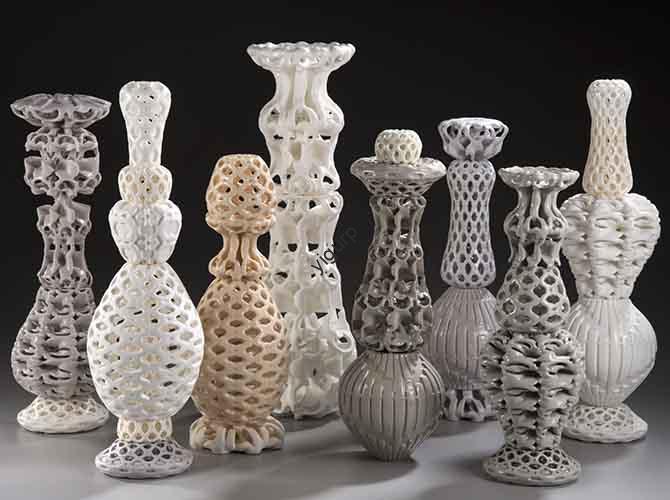
Our Capabilities: Bringing Artistic Visions to Life
At Yigu Technology, we’ve tailored our 3D printing services to meet the unique needs of artists and creative professionals. Our capabilities are designed to balance precision, scale, and creativity, ensuring every project meets the highest artistic standards.
| Capability | Key Features | Ideal Use Cases |
| High-Resolution Printing | Up to 25-micron layer height; captures fine details like textures and small patterns | Intricate sculptures, jewelry-inspired art |
| Custom Art Pieces | Fully personalized designs; collaborative feedback process with artists | One-of-a-kind commissions, limited-edition art |
| Intricate Designs | Supports complex geometries (e.g., hollow structures, interlocking parts) | Abstract art, conceptual installations |
| Large-Scale Artworks | Print size up to 2m x 1.5m x 1.2m; seamless assembly for bigger projects | Public art installations, gallery centerpieces |
| Multi-Material Printing | Combines up to 3 materials in one print (e.g., rigid plastics + flexible resins) | Mixed-media art, interactive pieces |
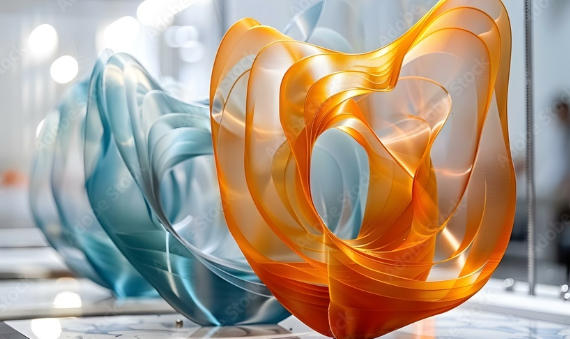
Process: From Concept to Finished Artwork
Creating a 3D-printed art piece is a collaborative, step-by-step journey that combines artistic vision with technical expertise. At Yigu Technology, we simplify this process to keep the focus on creativity:
- Conceptualization and Design: We start by working with the artist to refine their idea. This may involve sketching, mood boards, or discussing how 3D printing can enhance the concept.
- Digital Modeling: Our team converts the concept into a 3D digital model using software like Blender or ZBrush. We share drafts with the artist for feedback, ensuring the model aligns with their vision.
- Material Selection: Based on the artwork’s purpose (e.g., durability for outdoor use, translucency for light installations), we help choose the best material—from plastics (PLA, ABS) to metals (bronze, stainless steel).
- Printing and Layering: The 3D printer builds the artwork layer by layer, using the digital model as a guide. We monitor the process to ensure precision, especially for intricate designs or large-scale artworks.
- Post-Processing (Finishing, Painting): After printing, we refine the piece through sanding, polishing, or painting. For example, a resin sculpture might be coated with a glossy finish, while a metal piece could be polished to a matte sheen.
Case Studies: Success Stories in Art 3D Printing
Our work with artists and organizations has demonstrated how 3D printing can turn ambitious ideas into award-winning art. Below are two standout projects:
Case Study 1: Public Installation for City Central Park
Client: Local artist collective, Green Urban Art
Goal: Create a 5m-tall interactive installation titled “Growth” to celebrate environmental conservation.
Solution: We used large-scale 3D printing with composite materials (carbon fiber-reinforced PLA) to build 8 interlocking “leaf” panels. The lightweight material made installation easy, and the durable finish withstands outdoor weather.
Result: The installation drew 10,000+ visitors in its first month and was featured in local art magazines. The artist collective noted that 3D printing cut their production time by 40% compared to traditional woodworking.
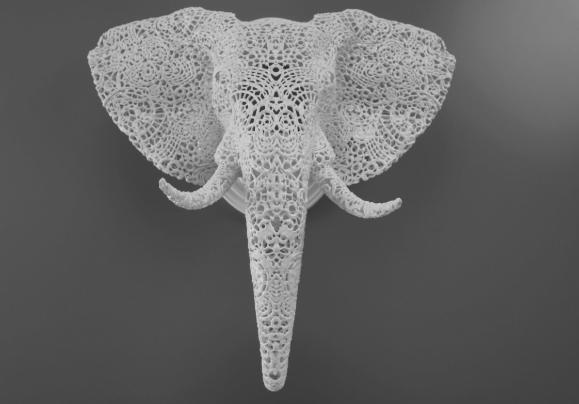
Case Study 2: Museum Replica Series
Client: National History Museum
Goal: Create replicas of 3 ancient clay statues (fragile originals) for an interactive exhibit.
Solution: We used high-resolution 3D scanning to capture the statues’ details, then printed replicas with resin (mimicking the original clay texture). Post-processing included hand-painting to match the originals’ color.
Result: The replicas are now used in the museum’s “Touch and Learn” exhibit, allowing visitors to handle art without risking the originals. The museum reported a 25% increase in family visitors after the exhibit opened.