
Our Melamine Formaldehyde Resin Injection Molding Services
Elevate your products with our top-tier melamine formaldehyde injection molding services.
We specialize in high-precision MF resin molding for food-grade, electrical, and industrial applications—delivering heat-resistant, scratch-proof parts with rapid prototyping, automated efficiency, and global supply capabilities. Partner with experts in thermoset MF injection to turn your designs into durable, high-gloss reality.
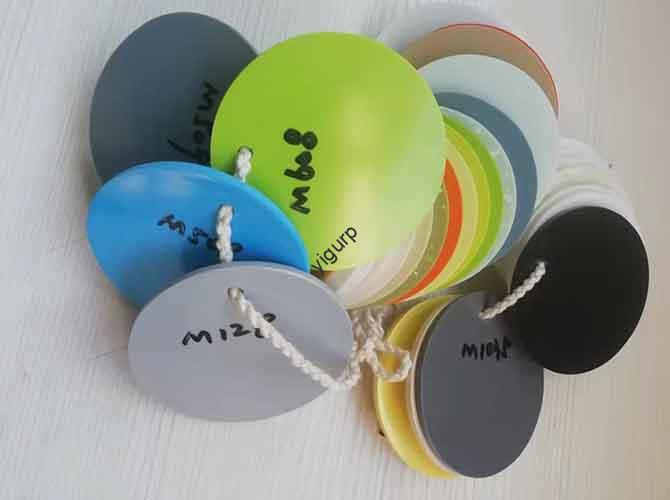
Our Melamine Formaldehyde Molding Capabilities
We pride ourselves on a comprehensive suite of MF molding capacity to meet diverse client needs—from small-batch prototypes to high-volume production. Below is a detailed breakdown of our core capabilities:
| Capability | Key Features | Typical Applications |
| High-Gloss Melamine Parts | Mirror-like finishes (Ra < 0.8 μm) via advanced polishing; color-stable for 5+ years | Dinnerware, cosmetic jars, decorative trays |
| Multi-Cavity MF Tools | 2–32 cavity molds; reduces cycle time by 30–40% | Buttons, closure caps, small household items |
| Insert/Over-Molding MF | Bonds melamine to metals, rubbers, or plastics; enhances functionality | Automotive parts, electrical switchgear, tool handles |
| Tight-Tolerance MF Molding | Achieves ±0.05 mm tolerance; ideal for precision components | Electrical connectors, medical device housings |
| Rapid Melamine Prototyping | 3–5 day turnaround for prototypes; validates design before production | New product launches, custom household items |
| Automated MF Lines | 24/7 operation with robotic part removal; reduces labor costs by 25% | High-volume dinnerware, industrial handles |
| Global MF Supply | Warehouses in 5 regions (NA, EU, APAC, MEA, SA); 3–7 day delivery | International brands, multi-site manufacturers |
Our secondary ops MF (e.g., drilling, tapping, and assembly) further streamline production, turning raw molded parts into ready-to-use products.
What Is Melamine Formaldehyde Resin Injection Molding?
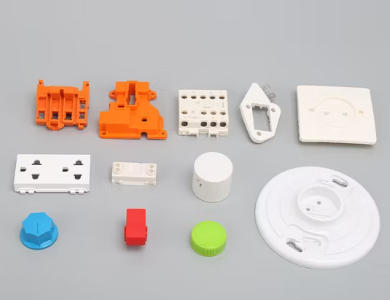
Melamine formaldehyde injection molding (often called MF resin molding) is a specialized manufacturing process for creating high-performance parts using thermosetting melamine-formaldehyde compounds. Unlike thermoplastics, melamine thermoset injection uses resins that cure permanently under heat and pressure, resulting in rigid, durable components.
At its core, the amino-melamine process combines melamine resin with reinforcing fillers (like cellulose or glass) to enhance strength and stability. Our MF definition service simplifies this technology for clients: we break down how melamine plastic molding differs from traditional methods—focusing on its unique ability to produce parts with consistent dimensions and resistance to heat, chemicals, and UV light.
Key terms in MF molding technology include:
- Curing: The irreversible chemical reaction that hardens the resin.
- Thermoset: A material that retains its shape after curing (unlike thermoplastics that can be reheated).
Amino Molding: The use of amino-based resins (like melamine) for high-performance applications.
The Melamine Formaldehyde Injection Molding Process
The MF injection cycle is a precise sequence of steps, each optimized to ensure part quality. Below is a step-by-step overview, with critical thermoset MF parameters that set our process apart:
Step 1: Material Preparation
We start with high-quality powder MF compound or granular MF molding grade resin. The material is preheated to 40–50°C to remove moisture (critical for avoiding defects).
Step 2: Injection
The resin is injected into a heated mold at:
- Injection Pressure: 800–1,200 bar
- Mold Temperature: 150–180°C (our mold temperature MF control uses digital sensors for ±2°C accuracy)
- Clamp Force: 50–500 tons (tailored to part size; our clamp force melamine settings prevent flash)
Step 3: Curing
Melamine formaldehyde curing is the most critical stage. We use:
- Cure Time: 30–120 seconds (varies by part thickness; our cure time melamine optimization cuts cycle time by 15%)
- Degassing: Degassing MF mold technology removes trapped air, ensuring void-free parts (99.9% defect-free rate)
Step 4: Post-Processing
After demolding, parts may undergo post-cure melamine (100–120°C for 30 minutes) to enhance stability. We also use cold-runner MF systems to reduce material waste by 20% compared to hot-runner setups.
For complex parts, we offer compression-injection MF—a hybrid process that combines injection speed with compression molding’s uniform pressure, perfect for thick-walled items like toilet seats.
Melamine Formaldehyde Resin Materials: Options for Every Need
Our success relies on selecting the right melamine formaldehyde resin for each application. We offer a range of formulations, each engineered to meet specific performance requirements:
| Material Type | Key Properties | Filler/Additive | Ideal Applications |
| Food-Grade MF | FDA-compliant, BPA-free, easy to clean | Alpha-cellulose | Dinnerware, food containers, baby bowls |
| Electrical-Grade MF | High dielectric strength (20 kV/mm), flame-retardant | Glass fiber | Electrical switchgear, connector housings |
| High-Impact MF | Izod impact strength: 20–25 kJ/m² | Rubber modifiers | Automotive parts, tool handles |
| Low-Formaldehyde MF | Formaldehyde emission < 0.1 mg/L | Formaldehyde scavengers | Indoor items (toilet seats, cabinet knobs) |
| Pigmentable Melamine | UV-stable (5+ years outdoor use); 200+ color options | Organic/inorganic pigments | Cosmetic jars, decorative trays |
| Glass-Filled MF | Tensile strength: 80–90 MPa; heat resistance up to 200°C | Glass fiber (10–30%) | Industrial machinery parts, high-heat components |
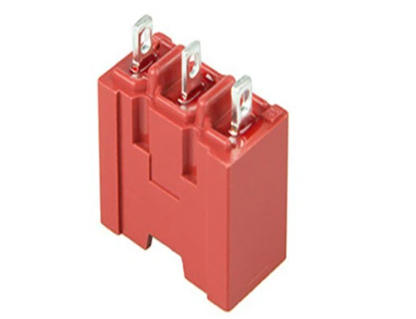
All our materials meet global standards (e.g., EU REACH, US FDA 21 CFR 177.1460) to ensure safety and compliance.
Key Advantages of Melamine Formaldehyde Injection Molding
Melamine resin molding offers unmatched benefits compared to other thermoset or thermoplastic processes. Here’s how it stands out:
| Advantage | Performance Metric | Why It Matters |
| MF Surface Hardness | 2.5–3.0 on Mohs scale | Resists scratches and dents; longer part life |
| Heat Resistance Melamine | Continuous use up to 150°C; short-term up to 200°C | Safe for kitchenware, automotive underhood parts |
| Chemical Resistance MF | Unaffected by oils, detergents, and weak acids | Ideal for food-contact and industrial applications |
| Electrical Insulation | Volume resistivity > 10¹⁴ Ω·cm | Perfect for electrical switchgear and connectors |
| Dimensional Stability | Shrinkage rate < 0.5% (after curing) | Consistent part fit; no warping over time |
| Flame-Retardant MF | UL 94 V0 rating | Meets safety standards for electrical and building parts |
| Low Cure Shrink | < 1% linear shrinkage | Reduces defects; ensures tight tolerances |
Industry Applications of MF Injection Molding
Our melamine formaldehyde injection molding services serve a wide range of industries, leveraging the material’s versatility:
- Housewares: MF dinnerware molding (plates, bowls, cups) and melamine tableware service (sets for restaurants/homes); 500k+ shots per year for our top dinnerware client (see Case Studies).
- Electronics: Electrical switchgear MF (housings, knobs) and connectors—reliable insulation for high-voltage applications.
- Automotive: Automotive melamine parts (dashboard knobs, door handles) that withstand heat and vibration.
- Bathroom: Toilet seat MF (stain-resistant, easy to clean) with anti-microbial options.
- Cosmetics: Cosmetic jar MF (high-gloss, color-matched lids) that enhance product appeal.
- Industrial: Industrial MF handles (chemical-resistant) and closure caps melamine (airtight seals for containers).
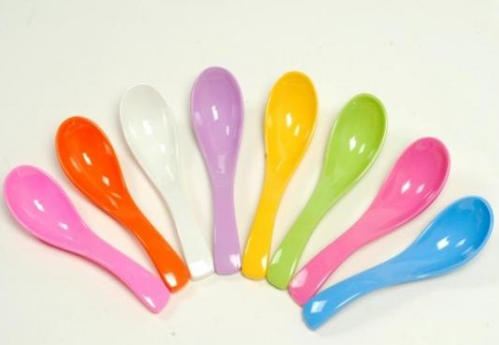
Case Studies: Success with Melamine Molding
Our clients trust us for consistent quality and innovative solutions. Here are 3 standout projects:
Case 1: High-Volume MF Dinnerware
- Challenge: A global restaurant chain needed 500k MF plate units annually, with high-gloss finish and food-grade compliance.
- Solution: Used 16-cavity multi-cavity MF tools and automated lines; optimized cure time melamine to 45 seconds.
- Result: 99.8% defect-free rate; delivered 500k shots on time (30-day lead time); cost reduced by 18% vs. client’s previous supplier.
Case 2: Precision Electrical Component
- Challenge: An electronics firm required a UL-listed MF part (switchgear housing) with 0.05 mm tolerance.
- Solution: Used glass-filled MF resin and tight-tolerance MF molding; implemented in-house tool calibration.
- Result: Part passed UL 94 V0 testing; tolerance maintained across 100k units; client’s assembly time reduced by 20%.