
Our Plastic CNC Machining Services
At Yigu Technology, we deliver top-tier Plastic CNC Machining Services tailored to your precision needs. Leveraging advanced CNC Milling and CNC Turning technologies, we transform a wide range of Plastic Materials into high-quality components—from prototypes to large-batch production.
Yigu focus on Precision Machining, strict Tolerances, and custom solutions ensures your projects meet the highest standards of quality, efficiency, and cost-effectiveness. Whether for automotive, medical, or electronics industries, we turn your designs into reality with expertise you can trust.
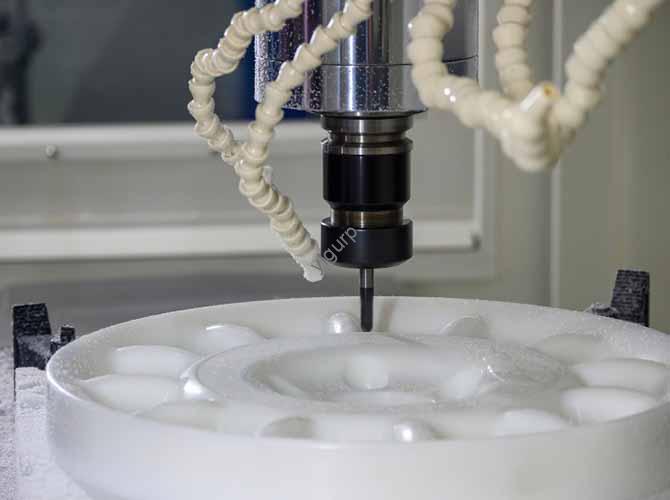
Our Plastic CNC Machining Capabilities
Yigu Technology’s Plastic Machining Capabilities cover every stage of production, from design to delivery. We combine state-of-the-art equipment with skilled engineering to handle even the most challenging projects. Below is a breakdown of our key capabilities:
| Capability Category | Key Offerings | Ideal For |
| CNC Milling Capabilities | 3-axis to 5-axis milling, complex geometry machining, high-speed cutting | Custom brackets, enclosures, precision components |
| CNC Turning Capabilities | Single-spindle turning, multi-axis turning, thread cutting | Bushings, shafts, cylindrical parts |
| Precision Machining Capabilities | Tolerances as tight as ±0.001mm, dimensional accuracy checks | Medical devices, aerospace components |
| Production Flexibility | Prototype Machining (1-10 units), Batch Production (100-10,000+ units) | Product testing, mass-market parts |
| Material Compatibility | Works with engineering plastics, thermoplastics, and thermosets | High-temperature or chemical-resistant parts |
| Tooling Options | Custom tooling for unique part designs, standard tooling for cost efficiency | One-of-a-kind parts, high-volume runs |
What is Plastic CNC Machining?
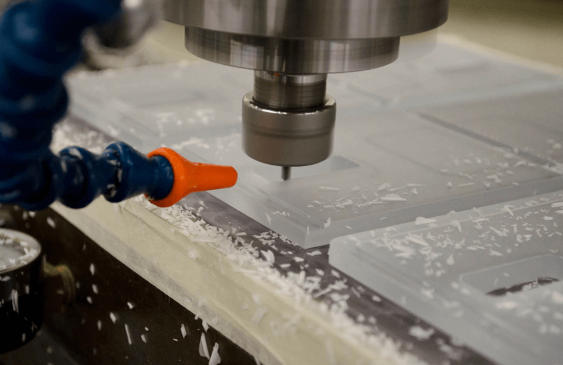
Plastic CNC Machining is an automated manufacturing process that uses Computer Numerical Control (CNC) systems to remove material from plastic workpieces, creating precise, custom parts. Unlike manual methods, this Automated Machining relies on pre-programmed Tool Path Programming to guide Machine Tool Operation, ensuring consistency and accuracy across every unit.
The core techniques of this Machine Process include:
- CNC Milling: Uses rotating cutting tools to shape plastic parts, ideal for complex geometries and 3D features.
- CNC Turning: Rotates the plastic workpiece while a cutting tool shapes it, perfect for cylindrical or round components.
At its heart, Plastic Machining is a Material Removal process—our experts optimize tool paths and cutting parameters to minimize waste and maximize precision, making it a go-to choice for industries demanding tight specifications.
The Plastic CNC Machining Process
Our Plastic CNC Machining Process is a structured, quality-driven workflow designed to deliver consistent results. Each step is optimized for efficiency and precision, from setup to final inspection.
- Machine Setup: Our technicians calibrate CNC machines, select appropriate cutting tools, and load the plastic workpiece. This step ensures the machine is aligned to meet your design specs.
- Tool Path Generation: Using CAD/CAM software, we create detailed Tool Path Programming—this digital guide tells the machine how to move the cutting tool to shape the part.
- Material Fixturing: The plastic workpiece is securely clamped (fixtured) to prevent movement during machining, critical for maintaining Dimensional Accuracy.
- Cutting Operations: The CNC machine executes the programmed tool paths, performing CNC Milling or CNC Turning to remove excess material. We adjust cutting speeds and feeds based on the plastic type (e.g., slower speeds for soft acrylic, faster for rigid PEEK).
- Quality Control & Inspection: After machining, parts undergo rigorous testing using advanced measurement tools (e.g., calipers, CMMs) to verify they meet Tolerance Specifications.
- Post-Machining Processes: Optional steps include Surface Treatment (polishing, coating) or assembly, ensuring parts are ready for immediate use.
- Process Optimization: We regularly review and refine our Process Flow to reduce lead times, minimize waste, and enhance quality—Automation in Machining plays a key role here, streamlining repetitive tasks.
Plastic Materials for CNC Machining
Choosing the right Plastic Materials is critical to the success of your project. Yigu Technology works with a wide range of plastics, each selected for its unique properties and compatibility with CNC Machining Materials processes.
| Material Type | Common Examples | Key Properties | Typical Applications |
| Engineering Plastics | PEEK, Nylon, Polycarbonate | High strength, heat resistance, durability | Aerospace components, industrial parts |
| Thermoplastics | ABS, HDPE, LDPE | Flexible, recyclable, easy to machine | Consumer goods, packaging, automotive parts |
| Thermosets | Epoxy, Phenolic | Heat-resistant, rigid, non-recyclable | Electrical insulators, high-temperature parts |
| Specialty Plastics | PTFE, UHMWPE | Chemical resistance, low friction | Medical devices, food processing equipment |
| Acrylic | PMMA | Transparent, scratch-resistant, aesthetic | Displays, lenses, decorative parts |
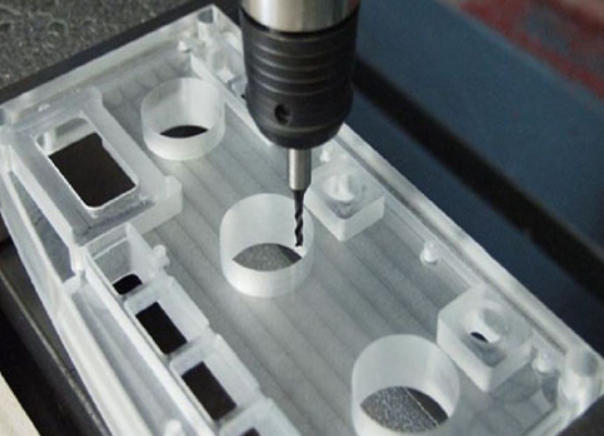
Our team provides Material Selection support—we analyze your project’s requirements (e.g., temperature, chemical exposure, load) to recommend the best plastic. We also conduct Material Testing to ensure compatibility with our machining processes and your end-use needs.
Surface Treatment for CNC Machined Plastic Parts
Surface Treatment enhances the appearance, performance, and durability of CNC-machined plastic parts. Yigu Technology offers a range of Plastic Surface Treatment options to meet your specific goals:
| Surface Treatment Method | Purpose | Ideal For |
| Polishing | Reduces Surface Roughness, creates a smooth, glossy finish | Consumer products, visible components |
| Grinding | Removes excess material, improves flatness or dimensional accuracy | Precision parts, mating surfaces |
| Painting/Coating | Adds color, protects against UV damage or chemicals | Outdoor parts, decorative components |
| Texturing | Creates a non-slip or matte surface, hides minor imperfections | Grips, handles, industrial equipment |
| Plating | Adds a metallic layer (e.g., chrome, nickel) for conductivity or aesthetics | Electrical parts, decorative trim |
Every CNC Machined Surface Treatment we perform is tested to ensure Surface Quality and adhesion—we guarantee treatments that stand up to wear, environmental factors, and your end-use demands.
Tolerances in Plastic CNC Machining
Tolerances are the allowable deviations from a part’s designed dimensions—and in Plastic CNC Machining, tight tolerances are a hallmark of quality. Yigu Technology specializes in achieving Precision Tolerances that meet even the most strict industry standards.
Key Tolerance Details:
- Standard Tolerances: For most plastic parts, we maintain ±0.01mm to ±0.05mm—suitable for consumer goods and general industrial use.
- Tight Tolerances: For critical applications (e.g., medical devices, aerospace), we achieve ±0.001mm to ±0.005mm using advanced CNC machines and Measurement Techniques like coordinate measuring machines (CMMs).
- Tolerance Control: We monitor tolerances at every stage of the Plastic Machining Tolerances process—from tool path programming to final inspection—to ensure consistency.
- Material Impact: Softer plastics (e.g., HDPE) may have slightly wider tolerance ranges than rigid plastics (e.g., PEEK) due to thermal expansion. Our team accounts for this during design to maintain Dimensional Accuracy.
Tolerance Comparison by Process:
| Machining Process | Typical Tolerance Range | Ideal Application |
| CNC Milling Tolerances | ±0.005mm to ±0.05mm | Complex parts with multiple features |
| CNC Turning Tolerances | ±0.001mm to ±0.03mm | Cylindrical parts requiring tight roundness |
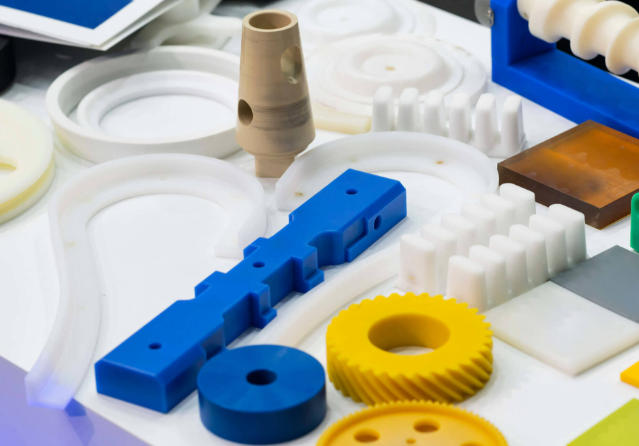
Advantages of Plastic CNC Machining
Plastic CNC Machining offers a host of benefits over other manufacturing methods—from speed to customization. Here’s why it’s the preferred choice for businesses worldwide:
- Precision Advantages: Achieves tight tolerances and consistent part quality, critical for applications like medical devices or electronics.
- Speed Advantages: Reduces lead times compared to traditional machining—Automated Machining allows for 24/7 production, getting parts to you faster.
- Customization Advantages: Easily adapts to unique designs—whether you need a one-off prototype or a custom batch, Custom Machining ensures your vision is realized.
- Cost Advantages: Minimizes waste through optimized Material Removal and reduces labor costs with automation—ideal for both small and large production runs.
- Material Advantages: Works with a wide range of Plastic Materials, each offering unique properties (e.g., chemical resistance, flexibility) to match your needs.
- Complexity Advantages: Handles Complex Geometry Machining—from intricate slots to 3D features—that would be difficult or impossible with other methods.
- Reduced Waste: Precision tool paths and Process Optimization cut down on material scrap, lowering overall project costs.
- Enhanced Durability: Produces strong, reliable parts that withstand wear and environmental factors—thanks to careful Material Selection and Surface Treatment.
Industry Applications of Plastic CNC Machining
Plastic CNC Machining Applications span nearly every industry—its versatility and precision make it a cornerstone of modern manufacturing. Below are key sectors we serve:
| Industry | Common Applications | Key Requirements Met |
| Automotive Applications | Sensor housings, interior trim, engine components | Heat resistance, durability, cost efficiency |
| Aerospace Applications | Lightweight structural parts, electrical insulators, valve components | Tight tolerances, high strength, chemical resistance |
| Medical Applications | Surgical instruments, device housings, implant components | Biocompatibility, precision, sterilizability |
| Electronics Applications | Connector parts, circuit board enclosures, heat sinks | Dimensional accuracy, electrical insulation |
| Consumer Goods Applications | Toy parts, household tool components, cosmetic packaging | Aesthetics, affordability, consistency |
| Food Processing Applications | Conveyor parts, valve bodies, storage containers | Food-safe materials, easy cleaning |
| Oil and Gas Applications | Seals, gaskets, pipeline components | Chemical resistance, high-pressure tolerance |