
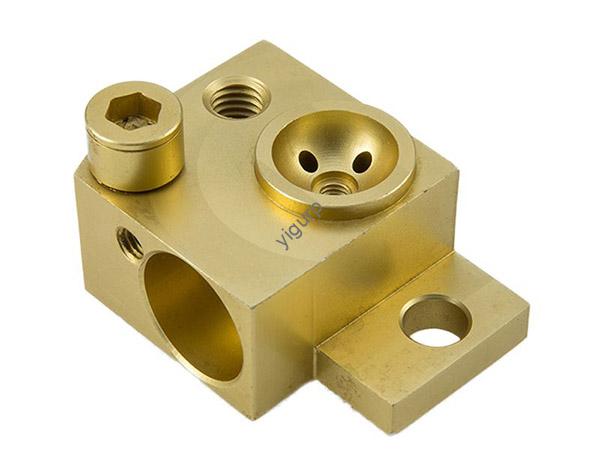
If you are looking for a material that combines strength, corrosion resistance, and versatility, nickel steel coated products offer a compelling solution. From aerospace engines to medical tools, this material is chosen for its ability to handle wear, rust, and high-temperature damage better than many alternatives. The nickel coating provides a protective barrier while the steel core delivers structural strength. This guide breaks down its key properties, real-world applications, manufacturing methods, and how it compares to other materials, giving you the data and insights to decide if it is right for your project.
What Makes Nickel Steel Coated So Effective?
The performance of nickel steel coated products comes from the synergy between the base steel and the outer nickel layer. The steel provides the core strength and structural integrity, while the nickel coating acts as a shield against corrosion, wear, and heat. This combination makes it suitable for environments where uncoated steel would quickly fail.
The Chemistry of the Core and Coating
The base steel contains essential elements like carbon, manganese, and silicon. To boost performance, alloying elements such as chromium (for extra corrosion resistance) and molybdenum (for high-temperature strength) are often added. The outer layer is pure nickel or a nickel alloy, applied through plating processes. This coating is what gives the material its signature protection.
Key Physical and Mechanical Properties
These properties determine how the material behaves under stress, heat, and in corrosive environments.
| Property | Typical Value | Why It Matters |
|---|---|---|
| Density | 7.8 – 8.2 g/cm³ | Slightly heavier than plain steel but still light enough for aerospace and automotive use. |
| Melting Point | 1450 – 1550°C | Withstands high heat in engines and furnaces without melting. |
| Thermal Conductivity | 45 – 55 W/(m·K) | Transfers heat evenly, critical for exhaust systems and heat exchangers. |
| Tensile Strength | 500 – 1200 MPa | Strong enough to hold up in aircraft engine parts and structural components. |
| Yield Strength | 300 – 900 MPa | Resists permanent bending, ideal for high-performance springs and load-bearing parts. |
| Hardness | 150 – 300 HV | The nickel coating adds surface hardness, reducing wear on parts like surgical instruments. |
| Fatigue Resistance | 2–3x longer than uncoated steel | Lasts longer under repeated stress, such as in engine valves or suspension components. |
| Ductility | 15 – 25% elongation | Can be bent or shaped without cracking, useful for stamping automotive parts. |
A real-world example: A leading aerospace manufacturer tested nickel steel coated turbine blades against uncoated ones. The coated blades showed 15% less oxidation from high heat and lasted 8,000 flight hours before replacement, compared to 6,500 hours for uncoated blades. This extended service life reduced maintenance costs by 20% .
Where Is Nickel Steel Coated Used?
Nickel steel coated products are found across industries where durability and reliability are non-negotiable. Its ability to resist corrosion, heat, and wear makes it a versatile choice.
| Industry | Typical Applications | Why It Is Chosen |
|---|---|---|
| Aerospace | Turbine blades, compressor parts, rocket engine chambers | Withstands extreme heat (up to 800°C) and resists oxidation. |
| Automotive | Exhaust systems, high-performance springs, fuel system components | Resists corrosion from exhaust gases and road salt. Ford found coated exhaust systems last 3–4 years longer than standard steel in harsh winters. |
| Chemical Processing | Reactors, piping, storage tanks for acids and chemicals | The nickel coating resists chemical attack. A Texas chemical plant used coated piping for 12 years with zero leaks. |
| Food Processing | Milk tanks, processing equipment, storage containers | Smooth, non-porous surface is easy to clean and resists bacteria. |
| Medical | Surgical instruments, orthopedic screws, implants | Biocompatible nickel coating resists body fluids. Hospitals report coated surgical tools last 2x longer than uncoated stainless steel. |
| Marine | Propellers, offshore platform components, ship fittings | Resists saltwater corrosion. A North Sea oil rig has used coated parts for 15 years with minimal maintenance. |
How Is Nickel Steel Coated Manufactured?
Creating nickel steel coated products involves several key steps. Each step is carefully controlled to ensure the final material meets the required performance standards.
| Stage | Common Method | Why It Matters |
|---|---|---|
| Steelmaking | Electric Arc Furnace (EAF) or Basic Oxygen Furnace (BOF) | Produces the base steel with precise control over carbon and alloying elements like chromium and molybdenum. |
| Heat Treatment | Quenching & tempering, annealing, or precipitation hardening | Optimizes the base steel’s strength, hardness, and ductility before the coating is applied. |
| Forming | Hot rolling, cold rolling, or stamping | Shapes the steel into final forms such as sheets, plates, or complex stamped parts. |
| Surface Treatment | Electroplating or electroless nickel plating | Applies the nickel coating. Electroplating is ideal for even coverage on small parts. Electroless plating works well for complex shapes like turbine blades. |
| Finishing | Shot peening or additional coatings (e.g., titanium nitride) | Adds compressive stress to boost fatigue resistance or provides extra hardness for wear-prone parts. |
How Does Nickel Steel Coated Compare to Other Materials?
Choosing the right material often means balancing performance, cost, and specific environmental demands. This comparison helps clarify where nickel steel coated fits.
| Material | Corrosion Resistance | Strength (Tensile) | Cost (vs. Nickel Steel Coated) | Best For |
|---|---|---|---|---|
| Nickel Steel Coated | Excellent | 500 – 1200 MPa | Baseline (100%) | Aerospace, marine, medical, automotive |
| Carbon Steel | Poor | 400 – 700 MPa | ~50% cheaper | Low-stress parts like brackets or non-exposed structural elements |
| Stainless Steel | Very Good | 500 – 1000 MPa | ~120% more expensive | Food processing or applications where nickel allergy is a concern |
| High-Alloy Steel | Excellent | 1000 – 1500 MPa | ~200% more expensive | Ultra-high-stress parts like rocket nozzles |
| Aluminum Alloys | Good (with coating) | 300 – 600 MPa | ~80% cheaper | Lightweight applications like car bodies |
The key takeaway: Nickel steel coated offers an excellent balance. It provides much better corrosion resistance than carbon steel at a modest cost increase. It also delivers comparable or better strength than stainless steel while being significantly more affordable. For many industrial applications, it hits the sweet spot between performance and budget.
Conclusion
Nickel steel coated products solve a common engineering challenge: how to get the strength of steel with the corrosion and wear resistance needed for harsh environments. The nickel coating acts as a durable shield, protecting the steel core from rust, chemicals, and high-temperature oxidation. This combination has proven its value across critical industries, from aerospace turbine blades that endure extreme heat to marine components that face constant saltwater exposure. While the upfront cost is higher than plain carbon steel, the extended service life and reduced maintenance often make it the more economical choice over the long term. For projects demanding reliability in tough conditions, nickel steel coated is a proven, versatile solution.
FAQ About Nickel Steel Coated
Is nickel steel coated safe for medical implants?
Yes, when manufactured to medical-grade standards. The nickel coating is biocompatible and does not react with body fluids. It is widely approved for applications like orthopedic screws and surgical instruments. For patients with known nickel allergies, alternative materials may be recommended.
Can nickel steel coated be welded?
Yes. Standard welding methods such as TIG and MIG welding can be used. The nickel coating does not need to be removed beforehand, and the welded joint retains good corrosion resistance when proper procedures are followed. No special post-weld heat treatment is typically required.
How long does the nickel coating last?
The lifespan depends on the environment. In mild indoor conditions, the coating can last 10–15 years or more. In harsh environments such as saltwater or chemical exposure, it typically lasts 5–8 years with regular maintenance like cleaning and inspection. The coating can be reapplied if needed.
What is the difference between electroplating and electroless nickel plating?
Electroplating uses an electric current to deposit nickel onto the steel. It is cost-effective for simple shapes and provides a uniform coating on exposed surfaces. Electroless plating uses a chemical reaction and does not require electricity. It provides a more uniform coating on complex shapes, including internal surfaces and threads, and offers slightly better corrosion resistance.
Discuss Your Projects with Yigu Rapid Prototyping
Selecting the right coated material for your project requires understanding both the base steel and the coating’s performance. At Yigu Rapid Prototyping, we help clients navigate these choices. Whether you need nickel steel coated components for aerospace, automotive, or marine applications, our team can guide you on material grades, coating thickness, and fabrication methods. We supply custom parts with precise specifications to match your environmental and performance needs. Contact us today to discuss your project and find the right material solution.