
Our Wear-resistant Plastics CNC Machining Services
At Yigu Technology, we specialize in Wear-resistant Plastics CNC Machining—crafting durable, precision parts that withstand friction, impact, and harsh environments.
By combining advanced CNC Milling and CNC Turning with top-tier High-Performance Polymers like PEEK and UHMW-PE, we deliver cost-effective, custom solutions for automotive, aerospace, and industrial sectors, ensuring long-lasting performance and design flexibility in every component.
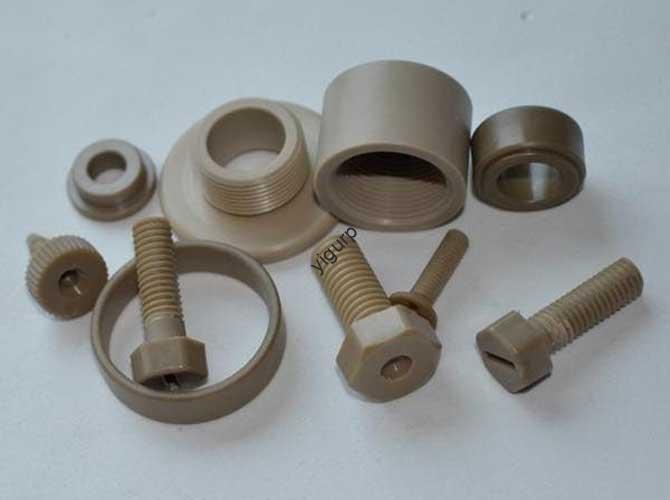
Our Capabilities: Precision for High-Wear Needs
At Yigu Technology, our Wear-resistant Plastics CNC Machining capabilities are designed to meet the tough demands of high-wear industries. We leverage cutting-edge equipment and skilled teams to deliver consistent, high-quality results:
| Capability | Key Features | Typical Use Cases |
| Precision Machining | Achieves tolerances as tight as ±0.005mm; ideal for micro-components in high-wear systems | Medical device gears, electronic connectors |
| Custom Machined Parts | Tailored designs for unique wear requirements; supports low-to-high volume runs | Industrial tool housings, aerospace brackets |
| High-Tolerance Machining | Adheres to strict Tolerance Standards (e.g., ISO 8015) for critical wear-resistant parts | Automotive engine components |
| Complex Part Production | Handles intricate geometries (e.g., internal gears, thin walls) without compromising wear resistance | Consumer electronics hinges |
| Rapid Prototyping | Fast turnaround (3–5 days) for prototype testing; perfect for new product development | Industrial tool prototypes |
| Production Machining | Scalable for mass production (10,000+ units/month) with consistent wear performance | Industrial conveyor parts |
| Quality Assurance | In-line testing for wear resistance and dimensional accuracy using Inspection Methods like CMM | All industries requiring durability |
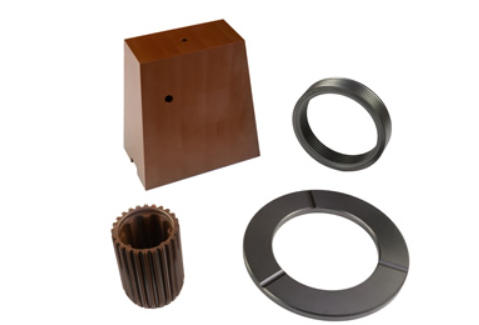
Process: Step-by-Step Guide to Wear-resistant Plastics CNC Machining
The Wear-resistant Plastics CNC Machining process follows 6 key stages, each optimized to protect the material’s wear-resistant properties and ensure precision:
- Design & Programming: Convert 3D models into CNC code, with a focus on Tool Selection (e.g., diamond-coated tools for hard polymers like PEEK to minimize tool wear).
- Machine Setup: Calibrate CNC mills/turning centers and secure the wear-resistant plastic to avoid vibration—critical for maintaining Dimensional Accuracy.
- CNC Milling: Use rotating cutters to shape flat or irregular parts (e.g., industrial tool bases), adjusting speed to prevent material overheating.
- CNC Turning: Rotate the material while a cutting tool creates cylindrical parts (e.g., automotive shafts), ensuring smooth surfaces to reduce friction.
- Drilling Operations: Create precise holes with high-speed drills, using Cutting Techniques that reduce stress on the material (key for preserving wear resistance).
- Grinding Processes: Refine surfaces to meet finish requirements (e.g., Ra 0.4μm for medical parts) and confirm wear performance post-machining.
Note: Every stage includes quality checks using Measurement Techniques like laser scanning to verify both dimensions and wear properties.
Materials: Choosing the Right Wear-resistant Plastic
Selecting the correct material is vital for successful Wear-resistant Plastics CNC Machining. Below is a comparison of our most trusted wear-resistant materials, each optimized for specific applications:
| Material Type | Wear Resistance (mg loss/1000 cycles) | Temperature Resistance | Key Benefits | Ideal Applications |
| Polyether Ether Ketone (PEEK) | 5–10 | -60°C to 260°C | High strength, chemical resistance | Medical implants, aerospace components |
| Polyphenylene Sulfide (PPS) | 8–15 | -100°C to 220°C | Flame-retardant, low moisture absorption | Automotive electrical parts, industrial tools |
| Polyether Sulfone (PES) | 12–18 | -100°C to 180°C | Transparent, good impact resistance | Consumer electronics enclosures, medical devices |
| Polysulfone (PSU) | 10–16 | -100°C to 180°C | Excellent dimensional stability | Industrial valve components, aerospace parts |
| Polyamide (PA) | 15–22 | -40°C to 120°C | High toughness, good fatigue resistance | Automotive gears, industrial fasteners |
| Ultra-High Molecular Weight Polyethylene (UHMW-PE) | 3–8 | -269°C to 80°C | Extremely low friction, impact-resistant | Conveyor belts, medical bearings |
| Specialty Wear-resistant Grades | 2–7 (customizable) | -150°C to 300°C | Tailored for extreme wear (e.g., ceramic-filled) | Oil & gas components, high-temperature tools |
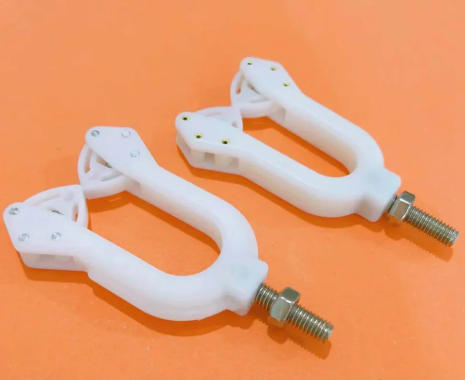
Advantages: Why Choose Wear-resistant Plastics CNC Machining?
Compared to traditional metal machining or non-wear-resistant plastic processes, Wear-resistant Plastics CNC Machining offers unique benefits for high-wear industries:
- Low Coefficient of Friction: Materials like UHMW-PE have a friction coefficient 50% lower than steel, reducing wear and energy consumption.
- High Strength-to-Weight Ratio: Wear-resistant plastics are 30–60% lighter than metals (e.g., stainless steel) while maintaining similar strength, ideal for aerospace and automotive.
- Chemical Resistance: Polymers like PEEK resist acids, oils, and solvents, outperforming metals in harsh industrial environments.
- Thermal Stability: Many wear-resistant plastics (e.g., PPS) withstand temperatures from -100°C to 220°C, suitable for extreme conditions.
- Dimensional Stability: Low thermal expansion (0.00001–0.00003 mm/mm°C) ensures parts retain shape, even in temperature fluctuations.
- Cost-Effective Production: Faster machining speeds and lower material costs (vs. metals) reduce total part cost by 20–40%.
- Design Flexibility: CNC machining supports complex geometries (e.g., internal gears, thin walls) that injection molding cannot achieve, enabling innovative part designs.
- High-Temperature Performance: Specialty grades (e.g., ceramic-filled PEEK) maintain wear resistance at temperatures up to 300°C, perfect for high-heat applications.
Applications Industry: Where Wear-resistant Plastics Excel
Our Wear-resistant Plastics CNC Machining solutions serve industries where durability and low friction are essential. Below are key sectors and their specific needs:
| Industry | Key Applications | Material Preference |
| Automotive | Engine components, gears, bearing housings | PEEK, PA (high toughness) |
| Aerospace | Landing gear parts, avionics enclosures | PPS, Specialty wear-resistant grades (high temp) |
| Electronics | Connector housings, hinge components | PES, PSU (dimensional stability) |
| Medical | Surgical tool handles, implantable bearings | UHMW-PE, PEEK (biocompatible) |
| Industrial Equipment | Conveyor parts, valve seats, tool bases | UHMW-PE, PPS (low friction) |
| Consumer Goods | Power tool components, appliance gears | PA, PES (cost-effective) |
| Sporting Goods | Golf club heads, bicycle components | PEEK, Specialty grades (lightweight) |
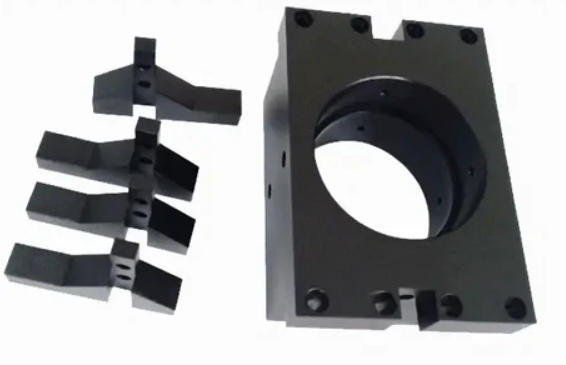
Case Studies: Real-World Success with Wear-resistant Plastics
Case Study 1: Industrial Conveyor Belt Rollers
- Challenge: A manufacturing client needed conveyor rollers that could withstand constant friction (10,000+ cycles/day) without degrading. Metal rollers were heavy and prone to rust.
- Solution: We used UHMW-PE and CNC Turning to create rollers with a smooth, low-friction surface (Ra 0.4μm). Heat Treatment was added to enhance dimensional stability.
- Result: Rollers lasted 3x longer than metal versions, reduced conveyor energy use by 25%, and cut maintenance costs by 40%.
Case Study 2: Medical Implantable Bearing
- Challenge: A medical device firm needed a biocompatible, wear-resistant bearing for a hip implant. The bearing required tight tolerances (±0.003mm) and low friction.
- Solution: We machined PEEK using high-tolerance CNC Milling and added polishing to achieve a friction coefficient of 0.04. The part was tested for biocompatibility (ISO 10993).
- Result: The bearing met FDA standards, had a lifespan of 15+ years, and reduced patient recovery time due to its lightweight design.