
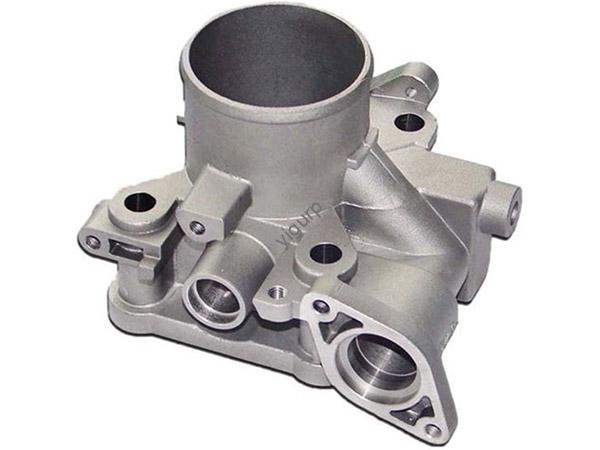
Maraging 350 structural steel is a high-performance material known for its exceptional strength and toughness. Unlike conventional steels, it achieves its properties through a unique aging process rather than carbon content. Its nickel-cobalt-molybdenum composition allows it to reach a tensile strength of 2400 MPa while maintaining good ductility. This combination makes it a top choice for demanding applications like aerospace components and high-end sporting goods. This guide will explore its properties, how it is made, and where it performs best.
Introduction
Engineers often face a difficult trade-off. A material may be very strong, but it is often brittle. A material may be tough, but it may lack the strength for critical loads. Maraging 350 was developed to overcome this. The name “maraging” comes from “martensitic aging.” The steel is first formed into a soft, workable state. Then, a low-temperature heat treatment creates a dense network of intermetallic compounds, dramatically increasing strength without sacrificing toughness. This process results in a material with a unique set of properties that is ideal for the most demanding structural applications.
What Are the Defining Properties of Maraging 350?
The performance of Maraging 350 is rooted in its precise chemistry and the unique aging process that unlocks its strength.
Chemical Composition
The alloy uses a high concentration of nickel, cobalt, and molybdenum, with very low carbon.
| Element | Content Range (%) | Its Role in Performance |
|---|---|---|
| Nickel (Ni) | 18 – 20 | Forms the base matrix, providing the foundation for toughness. |
| Cobalt (Co) | 8 – 10 | Enhances the strengthening effect during the aging process. |
| Molybdenum (Mo) | 3 – 4 | Improves hardness and fatigue resistance. |
| Titanium (Ti) | 0.5 – 1.0 | Forms tiny precipitates during aging that dramatically boost strength. |
| Carbon (C) | ≤ 0.03 | Kept very low to maintain ductility and excellent weldability. |
| Iron (Fe) | Balance | The base metal that holds the alloy together. |
Mechanical Properties
These properties are achieved after the final aging heat treatment. They define the material’s capabilities.
| Property | Typical Value | Why It Matters |
|---|---|---|
| Tensile Strength | 2400 MPa | Handles extreme pulling forces without failure. |
| Yield Strength | 2100 MPa | Resists permanent deformation under very high loads. |
| Hardness | 55 HRC | Provides excellent resistance to wear and scratching. |
| Impact Toughness | 60 J | Absorbs energy without shattering, a critical safety feature. |
| Fracture Toughness | 80 MPa·m¹/² | Resists the spread of cracks, preventing sudden failure. |
| Fatigue Strength | 1000 MPa (10⁷ cycles) | Withstands repeated stress cycles, ideal for landing gear. |
- Ductility: It has about 8% elongation, which is remarkable for a material with such high strength.
- Weldability: Its low carbon content gives it excellent weldability, unlike high-carbon steels that are prone to cracking.
Where Is Maraging 350 Used in the Real World?
This material is found in applications where failure is not an option and where saving weight is as critical as strength.
Aerospace
The aerospace industry is the primary user of Maraging 350. It is used for components that must endure extreme stress.
- Case Study: A major aerospace company was using traditional high-carbon steel for landing gear. The parts needed replacement every 5,000 cycles (takeoffs and landings). They switched to Maraging 350.
- The new landing gear was manufactured using Vacuum Arc Remelting (VAR) for purity, solution treated, and aged.
- The result was a 2.5x increase in fatigue life, lasting 12,500 cycles.
- The landing gear was also 10% lighter, improving the aircraft’s fuel efficiency. The company saved an estimated $2 million per year in replacement parts.
- Other applications include wing spars, fuselage frames, and high-strength fasteners.
Automotive and Motorsports
High-performance and racing vehicles use Maraging 350 to reduce weight and increase power.
- Formula 1: A Formula 1 team used Maraging 350 for engine connecting rods and camshafts. This reduced the weight of these components by 15% , allowing for higher engine speeds and increased power output.
- Case Study: Porsche used Maraging 350 for transmission gears. The gears showed 30% longer life than those made from high-strength low-alloy (HSLA) steel, handling higher torque without failure.
Industrial and Sporting Goods
The material’s combination of strength and toughness makes it valuable in other sectors.
- Tooling: A tooling company used Maraging 350 for plastic injection molds. The molds lasted 60% longer than stainless steel molds, as they resisted wear and heat-checking.
- Sporting Goods: Titleist used Maraging 350 for golf club faces. The higher strength allowed for a thinner, lighter face, resulting in an average distance increase of 10 yards.
How Is Maraging 350 Manufactured and Processed?
The manufacturing process for Maraging 350 is as specialized as the material itself. Purity and precise heat treatment are essential.
Steelmaking: Vacuum Arc Remelting (VAR)
The steel is first melted in an Electric Arc Furnace (EAF) . It is then subjected to Vacuum Arc Remelting (VAR) . This secondary melting process is critical. It takes place in a vacuum, which removes impurities like oxygen and sulfur and creates a very clean, uniform material. Without this step, the steel could have weak spots that would lead to premature failure.
Heat Treatment: The Maraging Process
The defining characteristic of this material is its two-step heat treatment.
- Solution Treatment: The steel is heated to 820-850°C, held for 1-2 hours, and then cooled rapidly (quenched). This creates a soft, ductile martensitic structure. In this state, the steel is easy to machine and form.
- Aging (Precipitation Hardening) : The steel is then heated to a much lower temperature, 480-510°C, and held for 3-6 hours. During this step, tiny intermetallic compounds (containing nickel, titanium, and molybdenum) precipitate throughout the matrix. This process is what gives the steel its incredible strength. Importantly, it causes very little distortion, so parts can be aged after final machining.
Forming and Surface Treatment
- Forming: In its solution-treated state, Maraging 350 can be formed using conventional methods like forging, rolling, and stamping. The low-carbon content prevents cracking during these processes.
- Surface Treatment: To enhance fatigue life, critical components like landing gear often undergo shot peening. This process blasts the surface with small metal balls, creating compressive residual stresses that resist crack initiation. For corrosion resistance, chromium plating or titanium nitride coatings can be applied.
Maraging 350 vs. Other High-Performance Materials
Comparing Maraging 350 to other materials highlights its unique position.
| Material | Tensile Strength | Toughness | Relative Cost | Best For |
|---|---|---|---|---|
| Maraging 350 | 2400 MPa | 60 J | High | Aerospace landing gear, high-stress tooling |
| Maraging 300 | 2100 MPa | 70 J | Slightly lower | Tooling, parts requiring higher toughness |
| HSLA Steel | 800 MPa | 40 J | Low | General structural components |
| Stainless Steel (316L) | 485 MPa | 200 J | Moderate | Corrosive environments, low stress |
| High-Carbon Steel (1095) | 1200 MPa | 20 J | Low | Springs, cutting tools |
Key Takeaway: Maraging 350 offers an unmatched combination of ultra-high strength and good toughness. It is significantly stronger than HSLA or high-carbon steels. While it is more expensive than these materials, its performance justifies the cost for critical, weight-sensitive applications where failure is catastrophic.
Conclusion
Maraging 350 structural steel is a premium material engineered for the most demanding applications. Its unique aging process creates a combination of ultra-high strength, good toughness, and excellent fatigue resistance that is difficult to find in any other steel. While its manufacturing process, particularly Vacuum Arc Remelting, and its material cost are high, the long-term benefits in terms of weight savings, extended service life, and reliability make it a cost-effective choice for critical components in aerospace, motorsports, and high-performance tooling.
FAQ About Maraging 350 Structural Steel
Is Maraging 350 expensive compared to other steels?
Yes, it is significantly more expensive than common steels like HSLA or stainless steel. Its cost can range from $15-$20 per kg, compared to $2-$5 per kg for HSLA. However, for critical applications like landing gear, its long life and weight savings often result in a lower total cost of ownership.
Can Maraging 350 be welded without losing its properties?
Yes, it has excellent weldability due to its very low carbon content. However, it is essential to preheat the material to 150-200°C before welding and to perform a post-weld aging treatment to restore the full strength of the heat-affected zone. Using the correct filler metal is also critical.
What is the maximum service temperature for Maraging 350?
It performs well up to 300°C. Above this temperature, the precipitates that provide its strength can begin to coarsen and dissolve, leading to a gradual loss of mechanical properties. For applications above 300°C, a different material like a nickel-based superalloy (e.g., Inconel) would be required.
Discuss Your Projects with Yigu Rapid Prototyping
At Yigu Rapid Prototyping, we have extensive experience working with high-performance materials like Maraging 350. We understand the critical importance of material purity, precise heat treatment, and proper surface finishing. Whether you need components for aerospace, high-performance automotive, or specialized tooling, our team can provide expert guidance and manufacturing services. We help our clients leverage the unique properties of this material to create lighter, stronger, and more durable products. Contact us today to discuss your project and see how we can help you achieve your performance goals.