
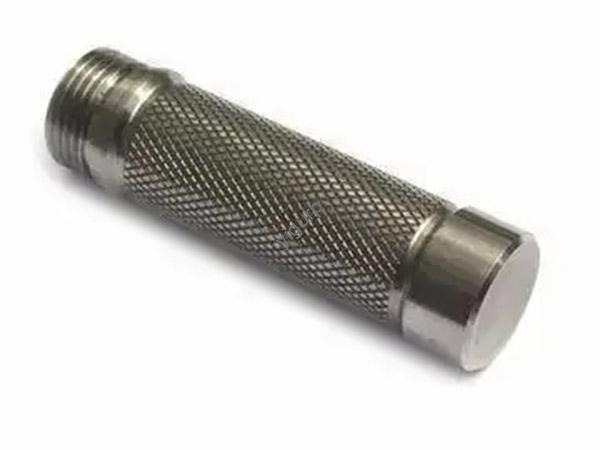
MIM 4605 structural steel is a versatile alloy known for its balanced strength and good workability. It offers a strong mix of mechanical properties that make it suitable for a wide range of applications, from building frames to automotive parts. Unlike basic carbon steel, it includes elements like chromium and molybdenum for added durability. This guide will explore its key traits, real-world uses, and how it compares to other materials. You will learn why this steel is a reliable choice for medium to heavy-stress projects.
Introduction
Many engineering projects require a material that is strong but not brittle, tough but still easy to work with. Standard carbon steel can be too weak for demanding parts. High-alloy steel can be too expensive or difficult to machine. MIM 4605 fills this gap. It is a medium-carbon, low-alloy steel that provides a high yield strength of over 620 MPa while maintaining good machinability and weldability. This balance makes it a popular choice for manufacturers who need consistent, dependable performance without the high cost of specialty steels.
What Are the Key Properties of MIM 4605?
The performance of MIM 4605 comes from a carefully designed chemical composition and a controlled manufacturing process. Its properties can be further adjusted through heat treatment to meet specific needs.
Chemical Composition
The elements in MIM 4605 are chosen to create a balance of strength, toughness, and wear resistance. The table below shows a typical breakdown.
| Element | Content Range (%) | Its Role in Performance |
|---|---|---|
| Carbon (C) | 0.43 – 0.48 | The primary source of strength and hardenability. |
| Manganese (Mn) | 0.75 – 1.00 | Enhances strength and reduces brittleness during heat treatment. |
| Chromium (Cr) | 0.80 – 1.10 | Boosts wear resistance and provides moderate corrosion protection. |
| Molybdenum (Mo) | 0.15 – 0.25 | Improves high-temperature strength and fatigue resistance. |
| Nickel (Ni) | 0.15 – 0.30 | Increases impact toughness and ductility. |
| Sulfur (S) | ≤ 0.040 | Kept low to prevent weak points in fatigue-prone parts. |
Mechanical Properties
These are the defining traits that make MIM 4605 suitable for structural and mechanical applications.
| Property | Typical Value | Why It Matters |
|---|---|---|
| Yield Strength | ≥ 620 MPa | Resists permanent deformation under heavy loads. |
| Tensile Strength | 827 – 965 MPa | Handles high pulling forces without breaking. |
| Elongation | 15 – 18% | Offers enough ductility for forming and bending. |
| Impact Toughness | ≥ 45 J at 0°C | Remains tough in cold conditions, resisting sudden failure. |
| Hardness | 28 – 32 HRC | Balances wear resistance with machinability. |
| Fatigue Strength | ~380 MPa | Withstands repeated stress, ideal for moving parts. |
- Corrosion Resistance: It is moderate. The chromium content offers some protection against mild moisture and industrial dust. For outdoor or marine use, it needs a protective coating like galvanizing or paint.
- Weldability: It is fair. For thick sections, preheating to 180-220°C is required. Using low-hydrogen welding electrodes is also recommended to prevent cracking.
Where Is MIM 4605 Used in the Real World?
This steel is highly versatile. It is found in construction, automotive, and heavy machinery, wherever a balance of strength and formability is needed.
Construction
MIM 4605 is used for load-bearing components in mid-rise buildings and industrial structures.
- Case Study: A construction firm in Chicago used MIM 4605 for the beams of a 15-story office tower. The beams needed to support floor loads of 2 tons per square meter and withstand harsh winters. After 12 years, ultrasonic testing showed no internal damage. This saved an estimated $800,000 in early maintenance compared to using standard carbon steel.
Automotive Industry
The automotive sector uses MIM 4605 for parts that must be strong, durable, and formable.
- Case Study: A Japanese automaker switched to MIM 4605 for the subframes of their mid-size SUVs. Compared to the previous low-alloy steel, MIM 4605 offered better formability for complex crash-safety shapes. It also provided higher fatigue strength, extending the subframe’s life to 150,000 km. The switch reduced vehicle weight by 8 kg, improved fuel efficiency by 3%, and cut production costs by $40 per vehicle.
- It is also used for suspension control arms, engine mounts, and transmission housings.
Mechanical Engineering and Heavy Machinery
For industrial equipment, MIM 4605 provides the strength and wear resistance needed for long service life.
- Case Study: An Australian coal mine used MIM 4605 for gears in a conveyor system. The gears had to handle over 500 tons of coal daily and resist abrasive dust. The chromium content boosted wear resistance, and heat treatment hardened the gear teeth. The gears lasted 3 years, compared to just 1 year for the previous carbon steel gears. This saved the mine $300,000 annually in downtime and replacement costs.
- It is also used for machine frames, drive shafts, and bearing races.
How Is MIM 4605 Manufactured?
The manufacturing process for MIM 4605 is designed to produce consistent, high-quality material for both large structural sections and smaller precision parts.
Steelmaking and Forming
The steel is typically made in an Electric Arc Furnace (EAF) , which allows for precise control of the alloying elements. After melting, it is cast into billets or slabs.
- Hot Rolling: The steel is heated to 1150-1250°C and rolled into beams, plates, or bars. This process refines the grain structure and is the primary method for creating large structural components.
- Cold Rolling: For thinner, precision parts, the steel is rolled at room temperature. This creates tight tolerances and a smooth surface finish.
Heat Treatment
Heat treatment is used to tailor the final properties of the steel.
- Annealing: The steel is heated to 800-850°C and then cooled slowly. This softens the material, making it easier to machine complex shapes like gears.
- Quenching and Tempering: The steel is heated to 830-870°C, rapidly cooled (quenched) in oil, and then reheated (tempered) to 550-600°C. This process significantly increases hardness and strength for wear-prone parts.
- Normalizing: The steel is heated to 880-920°C and then air-cooled. This creates a uniform structure, which is important for large beams to avoid weak spots.
Surface Treatment and Quality Control
To protect against corrosion and ensure quality, additional steps are taken.
- Galvanizing: A coating of molten zinc is applied. This is used for outdoor parts like offshore brackets to provide long-term rust protection.
- Quality Control: Every batch is tested. Chemical analysis verifies the alloy content. Tensile and impact tests confirm mechanical properties. Ultrasonic testing is used to detect any internal defects in thick sections.
MIM 4605 vs. Other Common Materials
Understanding how MIM 4605 compares to other materials helps in making the right selection for a project.
| Material | Yield Strength | Wear Resistance | Weldability | Relative Cost | Best For |
|---|---|---|---|---|---|
| MIM 4605 | ≥ 620 MPa | Good | Fair | Moderate | Versatile structural and mechanical parts |
| Carbon Steel (A36) | ≥ 250 MPa | Poor | Excellent | Low | General construction, non-critical parts |
| Alloy Steel (4140) | ≥ 620 MPa | Very Good | Fair | Moderate | High-stress machinery, heavy-duty shafts |
| Stainless Steel (304) | ≥ 205 MPa | Good | Good | High | Corrosive environments, low-stress parts |
For a load-bearing building beam, MIM 4605 offers far greater strength than A36. For a high-wear mining gear, it offers a better value than 4140, with sufficient hardness and lower cost. For a part exposed to saltwater, stainless steel may be necessary, but at a significantly higher price.
Conclusion
MIM 4605 structural steel is a dependable, well-rounded material for a wide array of engineering challenges. Its combination of high strength, good toughness, and moderate wear resistance makes it a versatile choice for construction, automotive, and heavy machinery applications. While it requires proper welding procedures and surface protection for outdoor use, its performance and cost-effectiveness make it a preferred option when a project demands more than what basic carbon steel can offer.
FAQ About MIM 4605 Structural Steel
Is MIM 4605 suitable for outdoor use without a coating?
No. It has only moderate corrosion resistance. For outdoor or high-humidity environments, you must apply a protective coating like hot-dip galvanizing or a high-performance paint system to prevent rust.
What welding process is recommended for MIM 4605?
For thick sections, you should preheat the steel to 180-220°C before welding. It is best to use low-hydrogen arc welding electrodes to minimize the risk of cracking in the heat-affected zone.
How does MIM 4605 compare to standard 4140 alloy steel?
MIM 4605 has a similar yield strength to 4140 but with slightly lower hardenability. It is often a more cost-effective choice for applications that require good strength and wear resistance but do not need the very deep hardening capabilities of 4140.
Discuss Your Projects with Yigu Rapid Prototyping
At Yigu Rapid Prototyping, we understand that selecting the right material is crucial for your project’s success. We have extensive experience working with MIM 4605 and other structural steels. Our team can assist you with material selection, provide custom-cut plates and bars, and offer guidance on heat treatment and fabrication processes. Whether you are building a structural frame, manufacturing automotive components, or designing heavy machinery, we are here to provide reliable materials and expert support. Contact us today to discuss your specific project requirements.