
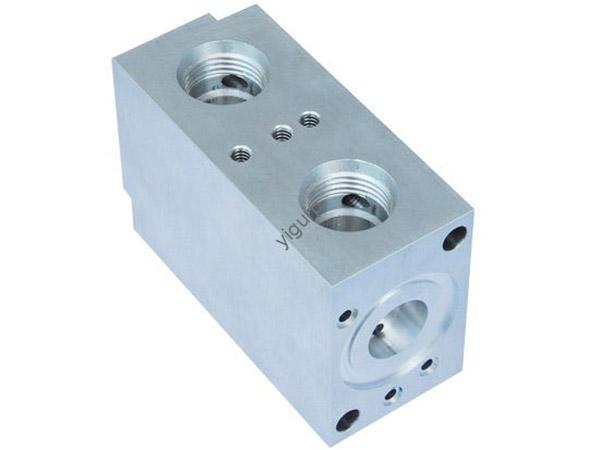
If you need a material that balances extreme strength and corrosion resistance—for offshore oil rigs, desalination plants, or chemical reactors—GB 00Cr22Ni5Mo3N duplex steel offers a proven solution. Its unique duplex structure (50% austenite + 50% ferrite) and carefully engineered alloy composition deliver both high strength and excellent corrosion resistance. This guide breaks down its key properties, real-world applications, manufacturing steps, and how it compares to other materials. By the end, you will have the information you need to select the right steel for harsh-environment projects.
What Defines GB 00Cr22Ni5Mo3N Duplex Steel?
GB 00Cr22Ni5Mo3N is a duplex stainless steel defined by Chinese standard GB/T 20878. Its name reveals its composition: approximately 22% chromium, 5% nickel, 3% molybdenum, and nitrogen. The “00” indicates ultra-low carbon (≤0.03%), which prevents intergranular corrosion after welding. The balanced austenite-ferrite structure gives it approximately twice the yield strength of common austenitic grades like 304 or 316, while maintaining excellent corrosion resistance.
The Chemistry of Strength and Corrosion Resistance
The performance of GB 00Cr22Ni5Mo3N comes from its carefully balanced composition. Each element plays a specific role in achieving the duplex structure and its resulting properties.
| Element | Content Range (%) | Key Role |
|---|---|---|
| Chromium (Cr) | 21.0 – 23.0 | Forms a dense passive film to fight rust and general corrosion. Core element for corrosion resistance. |
| Nickel (Ni) | 4.5 – 6.5 | Stabilizes the austenitic phase of the duplex structure. Boosts toughness. |
| Molybdenum (Mo) | 2.5 – 3.5 | Enhances resistance to pitting corrosion and crevice corrosion. Critical for saltwater or acidic environments. |
| Nitrogen (N) | 0.14 – 0.20 | Increases tensile strength and reinforces the duplex structure without sacrificing ductility. |
| Carbon (C) | ≤ 0.03 | Ultra-low carbon (marked by “00”) reduces the risk of intergranular corrosion, even after welding. |
Key Mechanical and Corrosion Properties
GB 00Cr22Ni5Mo3N’s duplex structure delivers a unique combination of high strength and good ductility. The values below are typical per GB/T 20878.
| Property | Typical Value | Why It Matters |
|---|---|---|
| Yield Strength | ≥ 450 MPa | Twice the yield strength of 316 stainless steel. Allows for thinner, lighter components. |
| Tensile Strength | ≥ 620 MPa | Withstands high stress in pressure vessels and structural applications. |
| Elongation | ≥ 25% | Good ductility allows for forming and bending without cracking. |
| Pitting Resistance Equivalent (PRE) | 38 | Excellent resistance to pitting in chloride environments. Superior to 316 (PRE 25). |
| Hardness | ≤ 290 HB | Hard enough for wear resistance, yet machinable with proper tools. |
A real-world example: A Tianjin offshore engineering firm used GB 00Cr22Ni5Mo3N for subsea pipeline connectors. The material’s 450 MPa yield strength handled deep-sea pressure (up to 300 meters), while its PRE of 38 prevented pitting from saltwater. Parts showed zero corrosion after 5 years of service.
Where Is GB 00Cr22Ni5Mo3N Used?
GB 00Cr22Ni5Mo3N excels in harsh, high-stress environments where standard stainless steels like SUS304 or even austenitic grades like SUS316 fail. Its combination of strength and corrosion resistance makes it indispensable across several industries.
Oil and Gas Industry
- Subsea Wellheads and Risers: A CNOOC (China National Offshore Oil Corporation) project used GB 00Cr22Ni5Mo3N for offshore platform pipes. The material withstood saltwater, high pressure, and hydrogen sulfide (H₂S) without cracking, outlasting SUS316 by 8 years .
- Pipeline Components: Resists chloride stress corrosion cracking and sulfide stress cracking.
Desalination Plants
- Reverse Osmosis Membranes and Brine Heaters: A Hainan desalination plant replaced super austenitic steel with GB 00Cr22Ni5Mo3N in brine pumps. Maintenance costs dropped by 35% because the steel resisted scaling and pitting from high-salt water.
- Seawater Intake Systems: Handles continuous exposure to concentrated chlorides.
Chemical Processing
- Reactors and Storage Tanks: A Shandong chemical plant uses GB 00Cr22Ni5Mo3N for acid mixing tanks handling sulfuric and hydrochloric acids. Unlike carbon steel, it requires no corrosion inhibitors , saving $20,000 annually .
- Heat Exchangers: Withstands aggressive chemical streams at elevated temperatures.
Marine and Pulp & Paper
- Ship Hulls and Propeller Shafts: A Shanghai shipyard built a coastal patrol boat with GB 00Cr22Ni5Mo3N hull plates. No anti-corrosion coating was needed , cutting build time by 10% .
- Bleaching Equipment: A Guangxi paper mill switched to GB 00Cr22Ni5Mo3N for chlorine dioxide tanks. The material resisted bleach corrosion, extending equipment life from 3 to 8 years .
How Is GB 00Cr22Ni5Mo3N Manufactured?
Producing GB 00Cr22Ni5Mo3N requires precise control to maintain its duplex structure and performance. The manufacturing process is designed to achieve the critical 50/50 austenite-ferrite balance.
| Stage | Common Method | Why It Matters |
|---|---|---|
| Hot Rolling | Heat to 1150-1250°C, roll into plates, coils, or bars | Shapes the raw material while ensuring the duplex phases form evenly. |
| Annealing | Heat to 1020-1080°C, hold 30-60 minutes, water quench | Critical step. Ensures the 50/50 austenite-ferrite balance. Too much heat breaks down the duplex phase; too little leaves internal stress. |
| Pickling | Nitric and hydrofluoric acid bath | Removes oxide scales from rolling and annealing. Brightens the surface and enhances corrosion resistance. |
| Cold Rolling | Room-temperature pressure for thin sheets (optional) | Refines surface finish and increases hardness. Requires re-annealing to restore ductility. |
| Forging | Forge at 1000-1100°C into complex shapes | Used for valve bodies and wellhead components. Forging at the correct temperature preserves the duplex structure. |
| Machining | Carbide tools with coolant (120-150 m/min cutting speed) | High strength wears tools faster than 304. Proper cutting speeds and coolant extend tool life. |
How Does GB 00Cr22Ni5Mo3N Compare to Other Materials?
Choosing the right material for harsh environments means balancing strength, corrosion resistance, and cost. This comparison helps clarify where GB 00Cr22Ni5Mo3N fits.
| Material | Yield Strength (MPa) | Corrosion Resistance (PRE) | Relative Cost | Best For |
|---|---|---|---|---|
| GB 00Cr22Ni5Mo3N | ≥ 450 | 38 | 100% | Harsh, high-stress environments (offshore, desalination) |
| SUS304 | 205 | 18 | ~50% | Mild environments (kitchens, appliances) |
| SUS316 | 205 | 25 | ~70% | Moderate corrosion (food processing, mild chemical) |
| SUS410 | 485 | 12 | ~40% | Low-corrosion, high-strength parts (fasteners) |
| Super Austenitic (S31254) | 310 | 42 | ~150% | Extreme acids (sulfuric acid plants) |
| Titanium Alloys | 860 | 50 | ~400% | Aerospace, medical (lightweight + ultra-corrosion-resistant) |
Key takeaways:
- vs. SUS316: GB 00Cr22Ni5Mo3N offers twice the yield strength (450 MPa vs. 205 MPa) and significantly better pitting resistance (PRE 38 vs. 25). It costs about 30-40% more but lasts 2-3 times longer in harsh environments.
- vs. Super Austenitic Steel: GB 00Cr22Ni5Mo3N is more affordable (about 30% less) and offers comparable corrosion resistance for most chloride environments. Super austenitic is only necessary for extreme acid service.
- vs. Titanium: GB 00Cr22Ni5Mo3N costs about one-quarter the price of titanium while offering sufficient corrosion resistance for most marine and chemical applications. Titanium is only justified when weight reduction or extreme corrosion resistance is critical.
Conclusion
GB 00Cr22Ni5Mo3N duplex steel delivers a unique combination of properties that makes it indispensable for harsh-environment applications. Its ≥450 MPa yield strength—twice that of 316 stainless steel—allows for thinner, lighter components without sacrificing structural integrity. Its PRE of 38 provides excellent resistance to pitting and crevice corrosion in chloride-rich environments such as seawater and brine. From offshore oil platforms and desalination plants to chemical reactors and marine vessels, this material has proven its reliability over decades of service. For any project where both strength and corrosion resistance are critical, GB 00Cr22Ni5Mo3N offers a balanced, cost-effective solution.
FAQ About GB 00Cr22Ni5Mo3N Duplex Steel
Can GB 00Cr22Ni5Mo3N be used in high-temperature environments?
It performs well up to 300°C. Above this temperature, the duplex structure may shift toward more ferrite, reducing corrosion resistance. For continuous service above 300°C (such as furnace parts), super austenitic or nickel-based alloys are recommended.
Is GB 00Cr22Ni5Mo3N easy to weld?
It is weldable but requires controlled heat input (max 20 kJ/inch) to preserve the duplex phase. Use matching filler metals (such as ER2209) . For highly corrosive environments, post-weld annealing is recommended to restore the 50/50 austenite-ferrite balance and full corrosion resistance.
Do I need to coat GB 00Cr22Ni5Mo3N for marine use?
No. Its PRE of 38 provides sufficient corrosion resistance for most marine environments, including ship hulls, seawater pipes, and offshore components. Coating is unnecessary and may actually trap moisture, potentially causing crevice corrosion underneath the coating.
What is the difference between GB 00Cr22Ni5Mo3N and SUS316?
The main differences are strength and corrosion resistance. GB 00Cr22Ni5Mo3N has twice the yield strength (450 MPa vs. 205 MPa) and significantly higher pitting resistance (PRE 38 vs. 25). It also contains molybdenum (2.5-3.5%) and nitrogen (0.14-0.20%), which are not present in SUS316. However, GB 00Cr22Ni5Mo3N costs about 30-40% more and requires more controlled welding procedures.
Discuss Your Projects with Yigu Rapid Prototyping
Selecting the right duplex steel for harsh environments is a critical decision. At Yigu Rapid Prototyping, we have extensive experience supplying GB 00Cr22Ni5Mo3N for offshore, desalination, and chemical processing applications. Our team can help you determine if this grade is the right fit for your specific chloride exposure, pressure, and temperature requirements—or if a super austenitic or nickel-based alternative is more appropriate. We offer GB 00Cr22Ni5Mo3N in plates, bars, pipes, and custom-fabricated components with full material certification, phase-balance testing, and welding procedure guidance. Contact us today to discuss your project and build with confidence.