
Our Energy Sector CNC Machining Services
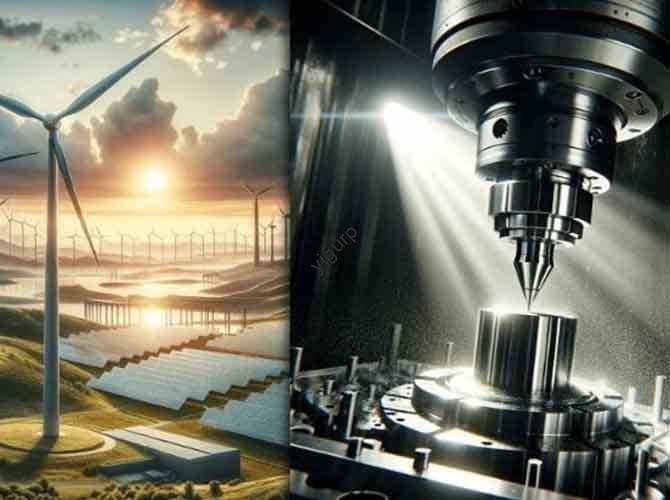
In the dynamic energy sector, CNC Machining stands as the backbone of reliable Energy Components production. Leveraging advanced Computer Numerical Control technology, we deliver top-tier Precision Manufacturing and Industrial Machining solutions—tailored to meet the rigorous demands of power generation, oil & gas, and renewable energy industries.
From high-tolerance turbine parts to custom energy hardware, our expertise turns complex designs into durable, high-performance reality.
Our Capabilities: Delivering Expertise for Energy Needs
We pride ourselves on a comprehensive suite of capabilities designed to solve the unique challenges of Energy Parts Manufacturing. Our team combines decades of industry experience with cutting-edge equipment to offer solutions that scale from small-batch custom parts to large-scale projects. Below is a breakdown of our key strengths:
| Capability | Description | Key Applications |
| Precision Engineering | Advanced CAD/CAM design integration and in-house engineering support to optimize part functionality. | Turbine blade profiles, generator core components. |
| Custom Machining | Tailored production to match unique client specifications—no “one-size-fits-all” solutions. | Custom energy hardware for retrofitted power plants. |
| High-Tolerance Machining | Consistently achieving tolerances as low as ±0.0005 inches, critical for high-performance parts. | Valve bodies, pump shafts, and heat exchanger tubes. |
| Advanced CNC Technology | Fleet of 5-axis CNC machines, automated loading systems, and real-time quality monitoring. | Complex, multi-sided parts (e.g., turbine casings). |
| Large-Scale Machining | Capacity to process workpieces up to 10 meters in length and 5 tons in weight. | Wind turbine hubs, large pump housings for hydroelectric plants. |
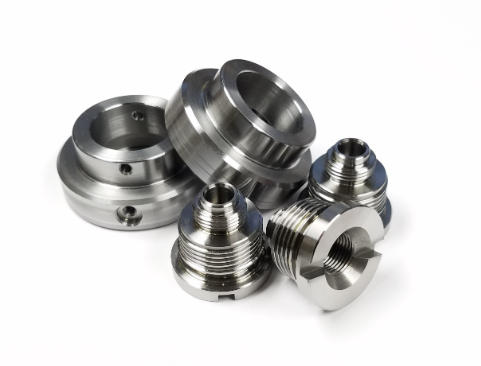
Our capabilities aren’t just about equipment—they’re about understanding your goals. Whether you need to reduce maintenance costs, improve energy efficiency, or meet strict regulatory standards, we align our processes to deliver results.
Process: How We Manufacture Energy Components
Our CNC machining process for energy parts is a structured, quality-focused workflow that combines multiple techniques to achieve the desired results. Each step is designed to minimize waste, ensure consistency, and meet the strict standards of the energy industry. Here’s a step-by-step overview:
- Design & Programming: We start with your CAD files (or create designs from scratch) and convert them into CNC machine code. This code includes every detail—from tool paths to cutting speeds—tailored to the part’s material and specifications.
- CNC Turning: Used for cylindrical parts (e.g., pump shafts, valve stems), this process spins the material while a cutting tool shapes it. We use high-speed turning for efficiency and precision turning for tight tolerances.
- CNC Milling: Ideal for flat or complex 3D shapes (e.g., turbine blades, generator frames), milling uses rotating cutting tools to remove material. Our 5-axis milling machines can reach all sides of a part in one setup, reducing errors.
- Drilling: Creates holes for fasteners, fluid channels, or wiring (e.g., in heat exchanger tubes). We use precision drilling tools to ensure hole diameter and depth accuracy within ±0.001 inches.
- Cutting: Uses laser or plasma cutting to shape large raw materials (e.g., steel plates for pump housings) into rough blanks before final machining. This step reduces material waste by up to 20%.
- Precision Grinding: The final finishing step, grinding smooths surfaces and tightens tolerances. For parts like turbine blades, we use surface grinding to achieve a mirror-like finish that reduces aerodynamic drag.
- Quality Inspection: Every part undergoes rigorous testing—including CMM (Coordinate Measuring Machine) scans, pressure tests, and material analysis—to ensure it meets specifications.
This process isn’t just efficient—it’s flexible. We can adjust steps to accommodate different materials, part sizes, and production volumes.
Materials: Choosing the Right Substrates for Energy Applications
The success of a CNC-machined energy component depends largely on the material used. Energy systems expose parts to harsh conditions—extreme heat, corrosive fluids, and constant stress—so we select materials that balance durability, performance, and cost. Below is a comparison of the most common materials we work with:
| Material | Key Properties | Typical Applications | Cost (per kg, USD) |
| Stainless Steel | Corrosion-resistant, strong, heat-resistant up to 870°C. | Valve bodies, pump housings, heat exchangers. | 5–8 |
| Carbon Steel | High strength, low cost, good machinability. | Generator frames, wind turbine towers (structural parts). | 1.5–3 |
| Aluminum | Lightweight (1/3 the weight of steel), good conductivity. | Solar panel brackets, lightweight generator components. | 3–5 |
| Titanium | Exceptional strength-to-weight ratio, corrosion-resistant, heat-resistant up to 600°C. | Turbine blades (aerospace-grade energy systems), offshore components. | 30–45 |
| Nickel Alloys | Extreme heat resistance (up to 1,200°C), corrosion-resistant. | Gas turbine components, nuclear reactor parts. | 40–60 |
| High-Temperature Plastics (e.g., PEEK) | Lightweight, chemical-resistant, heat-resistant up to 260°C. | Insulators, non-metallic valve components. | 15–25 |
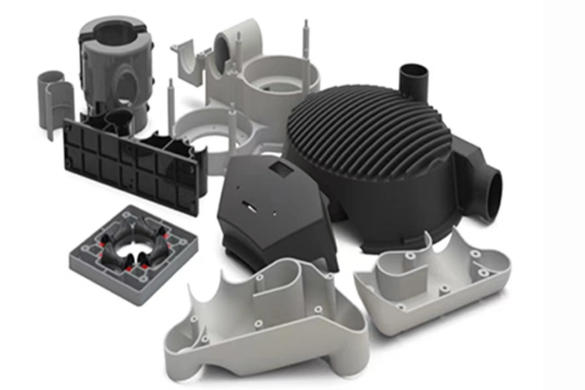
We don’t just choose materials—we optimize them. For example, we use heat-treated stainless steel for valve bodies to enhance hardness, or titanium-nickel alloys for turbine blades in high-temperature gas plants to extend service life by up to 50%.
Advantages: Why CNC Machining Is Essential for the Energy Sector
Compared to traditional manufacturing methods (e.g., casting, forging), CNC Machining offers unique advantages that make it the preferred choice for energy component production. These benefits directly address the energy industry’s priorities: reliability, efficiency, and cost-effectiveness.
- Precision: As noted earlier, CNC machining achieves tolerances as tight as ±0.0005 inches—far more precise than casting, which typically has tolerances of ±0.01 inches. This precision ensures parts fit perfectly, reducing friction and energy waste.
- Consistency: Automated programming means every part is identical. For example, if we produce 1,000 turbine blades, each will have the exact same aerodynamic profile—critical for balanced turbine operation. Traditional manual machining can’t match this consistency.
- Durability: By using high-quality materials (Section 5) and precise processes (Section 4), we create parts that last longer. Our nickel-alloy gas turbine components have an average service life of 15 years, compared to 10 years for parts made with other methods.
- High-Tolerance Performance: Energy systems often require parts that work under extreme conditions. Our high-tolerance machining ensures parts maintain their shape and function—even when exposed to 1,000°C temperatures or 10,000 psi pressure.
- Customization: Unlike mass-produced parts, CNC machining lets us create custom components for unique applications. For example, we designed a custom heat exchanger for a solar power plant that increased heat transfer efficiency by 25%—a solution that wouldn’t be possible with off-the-shelf parts.
- Quality Control: Every step of our process includes quality checks, from design to final inspection. This reduces defect rates to less than 0.5%—far below the industry average of 2%. Fewer defects mean less downtime and lower replacement costs for our clients.
- Cost-Effectiveness: While CNC machining has higher upfront costs than some methods, it saves money in the long run. Our clients report a 10–15% reduction in maintenance costs thanks to durable, precise parts, and our efficient processes reduce material waste by up to 20%, lowering overall production costs.
Case Studies: Real-World Success in Energy CNC Machining
Our work speaks for itself. Below are three case studies that demonstrate how our CNC machining solutions solved critical challenges for energy clients:
Case Study 1: Wind Turbine Blade Optimization for a Renewable Energy Provider
Challenge: A leading wind farm operator needed to improve the efficiency of their 2 MW turbines. Their existing blades had inconsistent aerodynamic profiles, leading to 10% lower energy output than projected.
Solution: We used 5-axis CNC milling to produce new turbine blades with precise, uniform profiles. We selected titanium alloy for the blade roots (to enhance strength) and coated the surfaces with a friction-reducing material.
Outcome: The new blades increased turbine energy output by 12%, saving the client $250,000 per turbine annually. The blades also had a 30% longer service life, reducing replacement costs.
Client Testimonial: “The precision of their CNC machining transformed our turbine performance. We’re now exceeding our energy production targets and cutting maintenance costs.” — Sarah Chen, Wind Farm Operations Manager.
Case Study 2: Custom Valve Bodies for an Oil & Gas Pipeline
Challenge: An oil company needed valve bodies for a new offshore pipeline that could withstand corrosive seawater and high pressure (8,000 psi). Off-the-shelf valves failed pressure tests, leading to project delays.
Solution: We designed custom valve bodies using corrosion-resistant stainless steel. Our high-tolerance CNC turning and drilling processes ensured the internal channels were perfectly sized to prevent leaks. We also added a nickel plating for extra protection.
Outcome: The valves passed all pressure and corrosion tests on the first try, allowing the pipeline to launch on schedule. The client reported zero leaks in the first two years of operation.
Industry Example: This project set a new standard for offshore valve reliability—we now supply the same design to three other oil companies.
Case Study 3: Generator Components for a Coal-Fired Power Plant
Challenge: A coal plant needed to replace aging generator rotors that were causing frequent downtime (average 4 hours per week). The rotors were large (6 meters long) and required tight tolerances to avoid imbalance.
Solution: We used our large-scale CNC milling and turning capabilities to produce new rotors from high-strength carbon steel. We added precision balancing during the machining process to ensure smooth operation.
Outcome: Downtime was reduced to 30 minutes per week—a 90% improvement. The plant saved $1.2 million annually in lost production costs.
Project Outcome: The rotors have now been in operation for 5 years with no major issues, exceeding the client’s 3-year lifespan expectation.