
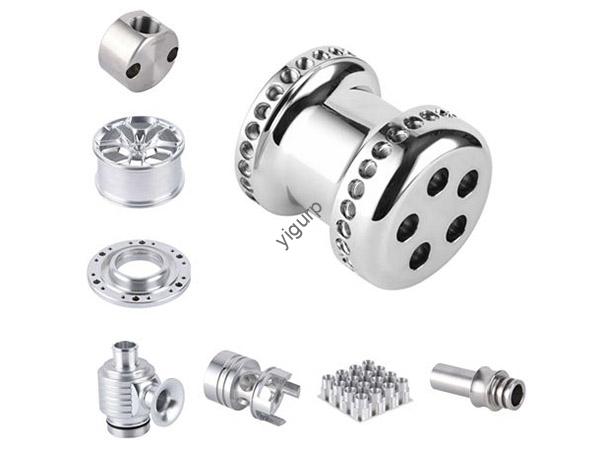
When your project faces harsh conditions—like seawater, strong chemicals, or high heat—you need a material that can stand up to the challenge. JIS SUS316 stainless steel is widely considered the gold standard for these environments. It offers superior corrosion resistance compared to the more common SUS304, thanks to a key ingredient: molybdenum. This makes it a top choice for demanding industries like marine, pharmaceutical, and chemical processing. This guide will break down everything you need to know to use this versatile material effectively.
What Makes JIS SUS316 Stainless Steel So Durable?
The exceptional durability of JIS SUS316 comes from its carefully balanced chemical composition. The addition of molybdenum is the key difference that sets it apart from standard stainless steels.
Alloy Composition
Every element in SUS316 plays a specific role, but molybdenum is the hero that provides its legendary resistance to chlorides and acids.
| Element | Content Range | Key Role in Performance |
|---|---|---|
| Chromium (Cr) | 16.0% – 18.0% | Forms a passive oxide layer that is the foundation for rust and pitting resistance. |
| Nickel (Ni) | 10.0% – 14.0% | Stabilizes the austenitic structure, providing excellent ductility and toughness. |
| Molybdenum (Mo) | 2.0% – 3.0% | The critical element that dramatically enhances resistance to chlorides, like saltwater. |
| Carbon (C) | ≤ 0.08% | Maintains strength while keeping carbon low to prevent corrosion issues. |
| Manganese (Mn) | ≤ 2.0% | Improves workability during manufacturing processes like rolling and welding. |
Mechanical and Physical Properties
SUS316 balances strength with flexibility, making it suitable for a wide range of structural and component applications.
| Property | Typical Value (Annealed) | Practical Benefit |
|---|---|---|
| Tensile Strength | 515 MPa | Can handle high pressure, ideal for chemical pipes and marine shafts. |
| Yield Strength | 205 MPa | Resists permanent bending, great for structural parts like offshore brackets. |
| Elongation | ≥ 40% | Highly ductile, it bends and stretches without cracking for complex shapes. |
| Hardness | ≤ 210 HB | Soft enough for machining yet durable against surface scratches. |
| Magnetic Properties | Non-magnetic | Won’t interfere with sensitive navigation or electronic equipment. |
Real-World Example: A marine engineering firm in Japan uses SUS316 for propeller shafts. The material’s high tensile strength (515 MPa) withstands the torque of spinning propellers, while its non-magnetic property is critical for avoiding interference with the ship’s navigation systems.
Where Is JIS SUS316 Stainless Steel Used?
Thanks to its superior corrosion resistance, SUS316 is the material of choice for industries where failure due to rust or chemical attack is not an option.
Marine and Offshore Applications
This is where SUS316 truly shines. Its resistance to saltwater is unparalleled among common stainless steels.
- Ship Hulls and Components: A shipyard in South Korea builds coastal patrol vessels with SUS316 hulls. After 5 years in saltwater, the hulls showed no signs of rust or pitting.
- Offshore Platforms: The material is used for railings, ladders, and critical structural brackets that are constantly exposed to sea spray.
Chemical and Pharmaceutical Processing
The ability to resist a wide range of chemicals makes SUS316 a staple in these industries.
- Chemical Plants: A chemical firm in Germany uses SUS316 for tanks storing nitric acid. The tanks have operated without corrosion or leaks for over 8 years.
- Pharmaceutical Equipment: A Swiss pharmaceutical company uses SUS316 for vaccine mixing tanks. The material meets strict FDA purity standards and resists the strong cleaning chemicals used between batches, ensuring no metal leaching into the products.
Food and Aerospace Applications
Its cleanability and heat resistance make it versatile across other high-performance sectors.
- Food Processing: A fish cannery in Norway uses SUS316 for its conveyor belts. The material stands up to constant exposure to saltwater and fish oils without degrading.
- Aerospace Components: An aerospace supplier in the U.S. uses SUS316 for fuel line connectors. The alloy can withstand temperatures up to 600°C and resist corrosion from jet fuels.
How Is JIS SUS316 Stainless Steel Manufactured?
Manufacturing SUS316 requires care, especially because its molybdenum content makes it slightly different to work with than SUS304.
Forming and Annealing
The material is shaped using standard processes but requires specific heat treatment.
- Hot Rolling: The steel is heated to 1100–1200°C and rolled into thick plates, bars, and pipe blanks. This ensures uniform strength for large parts like propeller shafts.
- Cold Rolling: Done at room temperature to create thin, precise sheets with a smooth surface, which is critical for pharmaceutical equipment.
- Annealing: This is a vital step. The steel is heated to 1050–1150°C and then rapidly cooled (quenched). This softens the material after forming and, most importantly, restores its corrosion resistance.
Machining and Welding
SUS316 is workable but benefits from the right tools and techniques.
- Machining: Because of its molybdenum content, SUS316 can work-harden. It is best machined with carbide tools and plenty of coolant to prevent overheating.
- Welding: SUS316 has good weldability, but it’s critical to match the filler metal. A shipyard once used a standard SUS304 filler (ER308) on SUS316 parts. The welds rusted within 3 months. The correct practice is to use molybdenum-rich fillers like AWS ER316L to ensure the weld is as corrosion-resistant as the base metal.
JIS SUS316 vs. Other Materials
Choosing the right material often means balancing corrosion resistance, strength, and cost. This comparison shows where SUS316 fits best.
| Material | Key Advantage vs. SUS316 | Key Disadvantage vs. SUS316 | Best Application |
|---|---|---|---|
| JIS SUS316 | Base reference | Base reference | Marine, chemical, pharmaceutical |
| SUS304 | Lower cost (~20% cheaper) | Poor resistance to chlorides | Indoor applications like kitchen sinks |
| Carbon Steel | Much cheaper (~50% lower) | No corrosion resistance | Indoor structural parts |
| Duplex Steel | Higher strength | Less ductile, harder to form | High-pressure oil and gas pipes |
| Titanium Alloys | Extreme corrosion resistance | Very expensive (~5x the cost) | Deep-sea equipment, aerospace |
Conclusion
JIS SUS316 stainless steel is a high-performance material that delivers unmatched reliability in the world’s harshest environments. Its defining feature is the addition of 2–3% molybdenum, which provides superior resistance to pitting and corrosion from chlorides, such as saltwater and industrial chemicals. This makes it the preferred choice over SUS304 for marine components, chemical processing tanks, pharmaceutical equipment, and coastal infrastructure. While it requires careful welding with matching filler metals and has a higher upfront cost than standard stainless steel, its significantly longer service life—often 2 to 3 times that of SUS304—makes it a cost-effective and dependable solution for projects where longevity and safety are paramount.
FAQ About JIS SUS316 Stainless Steel
Is JIS SUS316 necessary for outdoor use away from the coast?
For general outdoor use away from coastal areas or de-icing salts, SUS304 is often sufficient and more cost-effective. However, if the project is in an industrial area with chemical exposure or in a location that uses road salt, SUS316’s superior corrosion resistance provides a valuable safety margin and longer life.
Can JIS SUS316 be used for food processing equipment?
Yes, it is an excellent choice. It meets FDA and international food safety standards. It is particularly well-suited for seafood processing (due to saltwater resistance) and for handling acidic foods like tomato sauce or citrus, where SUS304 may eventually show signs of corrosion.
Is JIS SUS316 difficult to machine or weld?
It is slightly more challenging than SUS304 due to its molybdenum content, but it is very manageable with the right approach. For machining, use carbide tools and plenty of coolant. For welding, always use molybdenum-rich filler metals like ER316L to ensure the welded joint maintains the same corrosion resistance as the base metal.
Does JIS SUS316 rust?
Under normal conditions, it has excellent rust resistance. However, it is not completely invincible. It can be attacked by very strong acids, such as concentrated hydrochloric acid. Also, if the surface is contaminated with iron particles from tooling or if it is used in an oxygen-deprived environment (like a submerged crevice), it can still experience some forms of corrosion.
Discuss Your Projects with Yigu Rapid Prototyping
Selecting the right grade of stainless steel is critical for project longevity. At Yigu Rapid Prototyping, we have extensive experience working with JIS SUS316 and other high-performance alloys. We understand the nuances of welding it correctly with ER316L fillers and machining it to precise tolerances. Whether you are fabricating a chemical processing tank, a marine component, or sanitary equipment for the pharmaceutical industry, our team can help you engineer a solution that maximizes the material’s exceptional durability. Contact us today to discuss your project requirements.