
Our Renewable Energy CNC Machining Services
Unlock the power of Renewable Energy CNC Machining — where cutting – edge Computer Numerical Control technology meets the demands of green energy.
Our high – precision engineering delivers custom, durable components for wind, solar, hydro, and more, driving sustainable manufacturing and clean technology forward. Partner with us for cost – effective, eco – friendly solutions that power the future of energy.
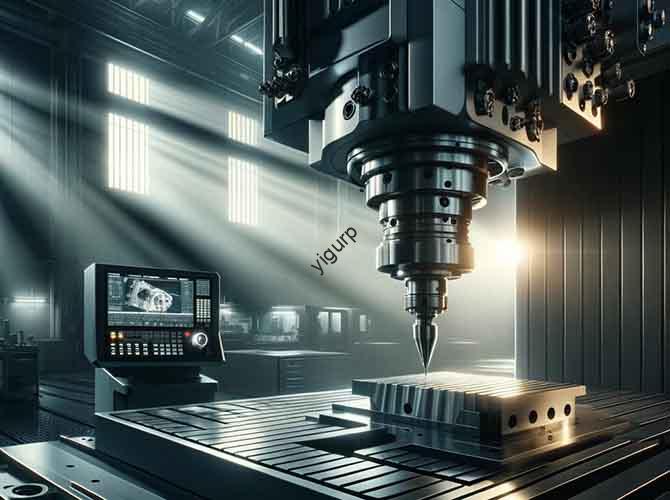
Our Capabilities: Delivering Excellence in Renewable Energy Machining
We pride ourselves on a comprehensive set of capabilities tailored specifically to the renewable energy sector. Our team and equipment are designed to meet the unique demands of green energy component production, from prototyping to large – scale manufacturing.
| Capability | Description | Key Benefit for Renewable Energy |
| High – Precision Machining | Achieve tolerances as tight as ±0.001 inches, critical for components like wind turbine gearboxes and solar panel mounting parts. | Ensures parts perform reliably in harsh outdoor conditions (e.g., high winds, extreme temperatures). |
| Advanced CNC Equipment | Fleet of 50+ state – of – the – art CNC mills, lathes, and routers, including 5 – axis machines for complex geometries. | Handles the intricate designs of hydroelectric turbine blades and geothermal equipment parts. |
| Custom Manufacturing | Create made – to – order components based on client blueprints or co – developed designs. | Meets the unique needs of small – scale solar projects and large – scale wind farms alike. |
| Quality Assurance | ISO 9001 and ISO 14001 certified processes, with in – line inspections and 100% final testing. | Guarantees compliance with strict renewable energy industry standards (e.g., IEC for wind turbines). |
| Rapid Prototyping | Turnaround times as fast as 3–5 days for prototypes, using 3D printing and CNC machining. | Accelerates product development for new energy storage systems and biomass equipment. |
| Production Capacity | Monthly output of 10,000+ components, with scalable workflows for high – volume orders. | Supports the rapid expansion of solar and wind energy projects worldwide. |
| Technical Expertise | Team of 25+ engineers with 10+ years of experience in renewable energy machining. | Solves complex challenges, such as machining high – strength alloys for offshore wind parts. |
| Renewable Energy Focus | 70% of our production is dedicated to green energy components (vs. 30% for other industries). | Deep understanding of the unique needs of renewable energy clients. |
Definition: What Is Renewable Energy CNC Machining?
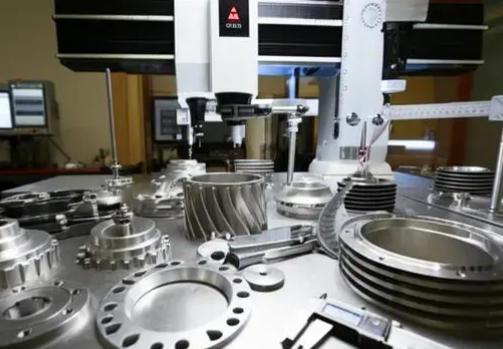
Renewable Energy CNC Machining is a specialized branch of manufacturing that uses Computer Numerical Control (CNC) systems to produce high – precision parts and components for the renewable energy industry. It combines the accuracy of Precision Engineering with the goals of Sustainable Manufacturing, focusing on creating parts that support Green Energy Solutions like wind, solar, hydroelectric, and geothermal power. At its core, this technology leverages automated, computer – guided tools to shape materials into complex, reliable components — all while minimizing waste and adhering to the principles of Clean Technology.
In short, it’s the bridge between advanced machining capabilities and the global push for cleaner, more sustainable energy sources.
Process: The Step – by – Step Journey of Renewable Energy CNC Machining
Our machining process is designed to be efficient, precise, and sustainable — ensuring that every component meets the highest standards for renewable energy applications. Here’s a breakdown of our 8 – step process:
- Design and Simulation: We start with client blueprints or co – create designs using CAD software (e.g., SolidWorks). We then run FEA (Finite Element Analysis) simulations to test the part’s performance under real – world conditions (e.g., wind loads for turbine parts). This step reduces the risk of design flaws and ensures optimal functionality.
- Material Selection: Based on the part’s function and environment, we choose the best material (see Section 5). For example, we use titanium alloys for offshore wind parts (to resist corrosion) and aluminum alloys for solar trackers (to reduce weight).
- CNC Programming: Our programmers write G – code (the language of CNC machines) to guide the tools. We optimize the code for speed and precision — ensuring that the machine makes the right cuts with minimal waste.
- Machining Operations: The CNC machine (mill, lathe, or router) executes the program. We use high – speed cutting tools for hard materials (e.g., stainless steel) and coolant systems that use recycled water to reduce environmental impact.
- Inspection and Testing: After machining, each part undergoes in – line inspection using CMM (Coordinate Measuring Machines) to check tolerances. We also perform functional tests — for example, we test gearboxes for smooth power transfer and heat sinks for thermal efficiency.
- Finishing Processes: We add finishes to enhance durability and performance. Common finishes include anodizing (for aluminum solar parts), powder coating (for steel turbine frames), and passivation (for stainless steel valves).
- Assembly Integration: For complex systems (e.g., wind turbine nacelles), we assemble components in our facility. We ensure that all parts fit together seamlessly and meet the client’s assembly requirements.
- Quality Control: Before shipping, we conduct a final quality check. We review inspection reports, test data, and finish quality — ensuring that the part meets ISO 9001 standards and the client’s specifications.
Materials: Choosing the Right Substrates for Renewable Energy Parts
The choice of material is critical for renewable energy components — as they often operate in harsh environments (e.g., saltwater for offshore wind, extreme heat for geothermal). We use a range of materials, each selected for its unique properties.
| Material | Key Properties | Common Applications in Renewable Energy | Cost (per kg, USD) | Sustainability Rating (1–10, 10 = Most Sustainable) |
| Stainless Steel | Corrosion – resistant, strong, durable | Wind turbine tower flanges, hydroelectric penstock flanges | 5–8 | 7 (recyclable, long lifespan) |
| Aluminum Alloys | Lightweight, good thermal conductivity, corrosion – resistant | Solar panel mounting brackets, wind turbine nacelle frames | 3–6 | 8 (highly recyclable, low energy to produce) |
| Titanium Alloys | High strength – to – weight ratio, corrosion – resistant, heat – resistant | Offshore wind blade hubs, geothermal wellhead valves | 30–50 | 6 (recyclable but energy – intensive to produce) |
| Composite Materials (e.g., carbon fiber) | Ultra – lightweight, high strength, corrosion – resistant | Wind turbine blades, solar tracker arms | 15–30 | 5 (recyclable but complex recycling process) |
| High – Strength Alloys (e.g., Inconel) | Heat – resistant, strong at high temperatures | Geothermal heat exchanger tubes, biomass combustor liners | 40–60 | 4 (recyclable but rare materials) |
| Copper | Excellent electrical conductivity, thermal conductivity | Solar inverter parts, hydroelectric generator windings | 8–12 | 9 (100% recyclable, high recycling rate) |
| Brass | Corrosion – resistant, easy to machine | Renewable energy valve stems, fittings | 6–9 | 8 (recyclable, made from copper and zinc) |
| Plastics (e.g., HDPE) | Lightweight, low cost, corrosion – resistant | Solar panel junction boxes, biomass fuel feed chutes | 1–3 | 3 (some are recyclable, but can be single – use) |
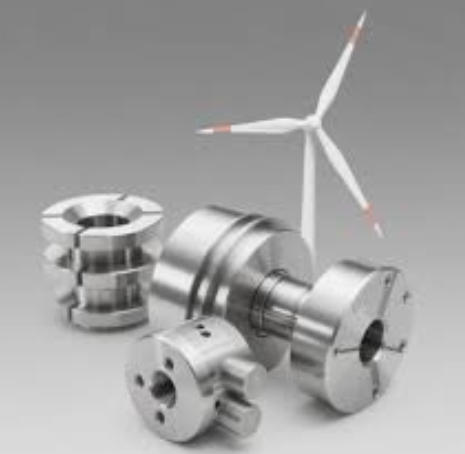
Case Studies: Real – World Success Stories
Our work in renewable energy CNC machining has helped clients across the globe improve their green energy projects — from reducing costs to increasing system efficiency. Here are three of our most impactful case studies:
Case Study 1: Wind Turbine Gearboxes for a European Offshore Wind Farm
- Client: A leading European wind energy company building a 500 – MW offshore wind farm.
- Challenge: The client needed gearboxes that could withstand saltwater corrosion, high winds (up to 100 mph), and 24/7 operation. Traditional gearboxes had a lifespan of just 15 years, which was too short for the project’s 25 – year timeline.
- Solution: We used high – precision CNC machining to produce gearboxes from Inconel (a high – strength, corrosion – resistant alloy). We also added a special coating to enhance durability. Our 5 – axis CNC machines ensured that the gear teeth had perfect alignment.
- Results: The gearboxes have a lifespan of 30 years (exceeding the client’s goal). They also reduced maintenance costs by 40% (from 200,000perturbineperyearto120,000). The client’s wind farm now generates 10% more energy due to the gearboxes’ improved efficiency.
- Client Testimonial: “The CNC – machined gearboxes transformed our offshore wind farm. The precision and durability are unmatched — and the cost savings have been a game – changer for our project.” — Sarah M., Project Manager at the wind energy company.
Case Study 2: Solar Tracker Gears for a U.S. Utility – Scale Solar Project
- Client: A U.S. utility company building a 1,000 – acre solar farm in California.
- Challenge: The client needed solar tracker gears that could adjust the angle of 100,000 solar panels to follow the sun. The gears had to be lightweight (to reduce tracker weight) and durable (to withstand California’s hot, dry climate).
- Solution: We used CNC machining to produce gears from aluminum alloy (lightweight and corrosion – resistant). We optimized the gear design using CAD simulation to ensure smooth movement. Our rapid prototyping service allowed the client to test 3 gear designs in just 1 week.
- Results: The solar trackers increased the farm’s energy output by 20% (from 500 GWh/year to 600 GWh/year). The lightweight gears reduced the cost of tracker installation by $2 million (since lighter trackers require less concrete for foundations). The gears also have a lifespan of 20 years, with no maintenance needed for the first 10 years.
- Client Testimonial: “The custom CNC – machined gears were the key to our solar farm’s success. They’re lightweight, reliable, and helped us generate more energy at a lower cost.” — John T., Energy Director at the utility company.