
Our Polyethylene PE Injection Molding Services
Unlock top-tier Polyethylene (PE) Injection Molding services tailored to your needs—whether high-volume production, precision parts, or custom designs.
Yigu Technology combines advanced injection molding capabilities, strict quality control, and sustainable practices to deliver durable, cost-effective PE components for automotive, medical, packaging, and more.
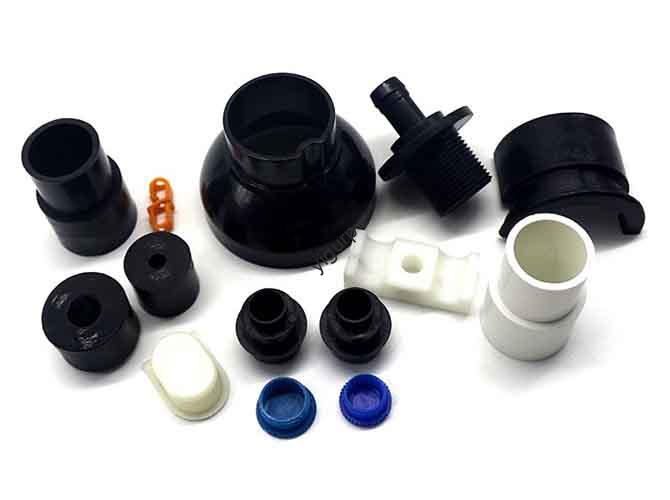
Our Capabilities: Delivering Precision & Scale for PE Injection Molding
At Yigu Technology, our PE injection molding capabilities are designed to meet the demands of both small-batch custom projects and large-scale production runs. We prioritize precision, quality, and flexibility to solve your unique challenges.
Core Capabilities Breakdown
| Capability | Details | Benefits for You |
| Custom Tooling | In-house mold design and fabrication (aluminum for prototypes, steel for high-volume runs). | Faster lead times, tailored part geometry, and cost savings on tool maintenance. |
| Precision Molding | CNC-controlled injection machines with ±0.005mm tolerance (ideal for tight-spec parts). | Consistent part quality, reduced waste, and compliance with medical/automotive standards. |
| High-Volume Production | 20+ injection molding machines (50–500 tons clamping force) with automated ejection systems. | Capacity to produce 100,000+ parts/month; lower unit costs for large orders. |
| Quality Control (QC) | In-line inspection (vision systems, dimensional checks) and post-production testing (tensile, impact). | 99.8% defect-free rate; compliance with ISO 9001 and FDA standards (for medical parts). |
What Is Polyethylene (PE) Injection Molding?
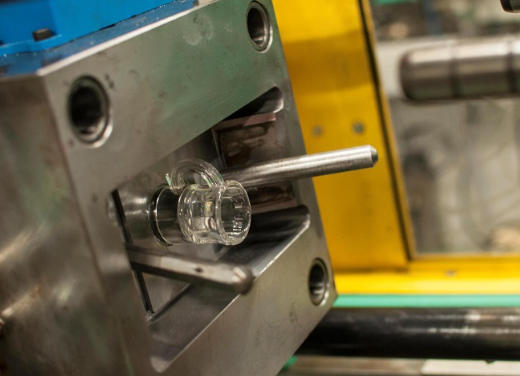
Polyethylene (PE) is a thermoplastic polymer derived from ethylene monomers, celebrated for its versatility, low cost, and excellent chemical resistance. Injection molding is a manufacturing process where molten plastic is injected into a mold cavity, cooled, and ejected as a finished part. Together, PE injection molding creates high-quality, consistent components for countless industries.
Key Definitions & Process Overview
| Term | Definition |
| Polyethylene (PE) | A lightweight, flexible thermoplastic with high impact strength and resistance to chemicals/water. |
| Injection Molding | A high-volume process: plastic pellets → melted → injected into mold → cooled → demolded. |
| Mold Cavity | The hollow space in a mold that shapes the final PE part (can be single or multi-cavity for mass production). |
Core Material Properties of PE
PE’s unique properties make it ideal for injection molding. Below are the most critical traits for manufacturers and buyers:
- Density: Ranges from 0.910–0.965 g/cm³ (low-density LDPE to high-density HDPE).
- Melting Point: 105–135°C (lower than many plastics, reducing energy costs in molding).
- Chemical Resistance: Impervious to acids, alcohols, and water (critical for medical and packaging applications).
- Impact Strength: Remains flexible even at low temperatures (ideal for automotive and consumer goods).
- Recyclability: Most PE grades are 100% recyclable, aligning with sustainability goals.
The PE Injection Molding Process: Step-by-Step Excellence
A smooth, well-managed process is key to producing high-quality PE parts. Our process follows five core stages, each optimized for PE’s unique properties.
Step 1: Material Preparation
- Pellet Selection: Choose the right PE grade (e.g., HDPE for rigidity, LDPE for flexibility) and add additives (UV stabilizers, colorants, or flame retardants) as needed.
- Drying: While PE is moisture-resistant, we pre-dry pellets at 60–80°C for 2–4 hours to remove any surface moisture (prevents bubbles in final parts).
- Feeding: Pellets are fed into the injection machine’s hopper, where they move to the heating barrel.
Step 2: Mold Design
- Collaboration: Our engineers work with you to design molds that account for PE’s shrinkage rate (1.5–5%, higher than ABS).
- Cooling System: Molds include precision cooling channels to ensure uniform cooling (critical for PE’s low melting point).
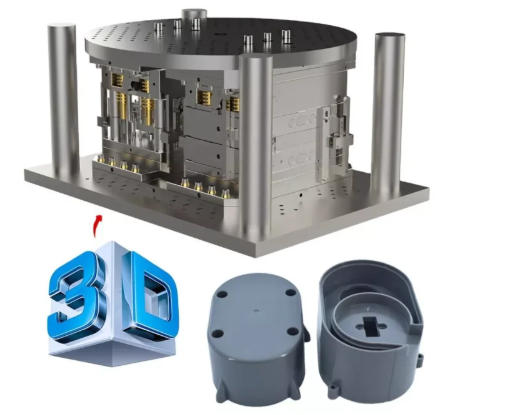
- Prototype Testing: We 3D-print mold prototypes first to validate design before full production (saves time and cost).
Step 3: Setting Injection Parameters
PE’s low viscosity requires careful parameter tuning to avoid defects (e.g., flash or warping). Below are our standard parameters for HDPE (the most common PE grade):
| Parameter | Ideal Range for HDPE | Purpose |
| Barrel Temperature | 160–220°C | Ensures PE melts evenly without degradation. |
| Injection Pressure | 50–120 MPa | Fills mold cavities completely (critical for thin-walled parts). |
| Cooling Time | 10–30 seconds | Prevents warping; balances speed and quality. |
Step 4: Post-Molding Operations
After demolding, parts may undergo:
- Trimming: Removing excess plastic (flash) with automated tools.
- Assembly: Joining parts via welding or adhesives (for complex components).
Inspection: Final QC checks for dimensional accuracy and surface quality.
Materials: Choosing the Right PE for Your Project
Not all PE is the same—selecting the right grade ensures your parts meet performance and cost goals. We offer a full range of PE materials, plus recycled options.
Types of PE for Injection Molding
| PE Type | Key Traits | Common Applications |
| Low-Density PE (LDPE) | Flexible, soft, good impact resistance. | Consumer goods (toys, squeeze bottles), packaging films. |
| High-Density PE (HDPE) | Rigid, strong, high chemical resistance. | Automotive parts (fuel tanks), medical devices (syringe barrels), packaging (caps, containers). |
| Linear Low-Density PE (LLDPE) | Stretchable, puncture-resistant, more durable than LDPE. | Agricultural films, flexible packaging (bags), sports equipment. |
Material Selection Tips
- Prioritize performance: For chemical exposure (e.g., medical devices), choose HDPE. For flexibility (e.g., toys), pick LDPE.
- Consider cost: LDPE is the most affordable; HDPE costs slightly more but offers better durability.
Embrace sustainability: Our recycled PE (rPE) is made from post-consumer waste and meets 80% of the performance of virgin PE—ideal for eco-friendly brands.
Advantages: Why Choose PE Injection Molding?
PE injection molding offers unmatched benefits for manufacturers and buyers—combining cost savings, durability, and flexibility.
Key Advantages at a Glance
- Cost-effectiveness: PE is one of the cheapest thermoplastics, and injection molding’s high volume drives down unit costs (e.g., 0.10–0.50 per part for high-volume HDPE components).
- Durability: PE parts resist impact, chemicals, and UV damage—lasting 5–10 years in outdoor or harsh environments.
- Customizability: From small, intricate parts (e.g., medical connectors) to large components (e.g., automotive bumpers), PE injection molding adapts to any design.
- Lightweight: PE weighs 50–70% less than metal, reducing shipping costs and improving fuel efficiency (critical for automotive applications).
- Chemical resistance: PE does not react with most acids, bases, or solvents—making it safe for medical devices and food-contact packaging.
Applications Industry: Where PE Injection Molding Shines
PE’s versatility makes it a staple in five key industries. Below are real-world use cases and our solutions:
| Industry | Common PE Parts | Our Solutions |
| Automotive | Fuel tanks, door panels, wire harnesses. | High-volume HDPE production with strict QC (meets ISO/TS 16949 standards). |
| Consumer Goods | Toys, kitchen utensils, storage containers. | Custom tooling for unique shapes; food-grade PE (FDA-compliant). |
| Medical Devices | Syringe barrels, IV connectors, surgical instrument handles. | Sterilizable HDPE; ISO 13485-certified processes. |
| Packaging | Bottle caps, food containers, shipping crates. | Lightweight HDPE/LLDPE; recycled PE options for eco-friendly brands. |
| Electronics | Cable insulation, device casings, battery housings. | Flame-retardant PE grades; precision molding for tight-fit parts. |
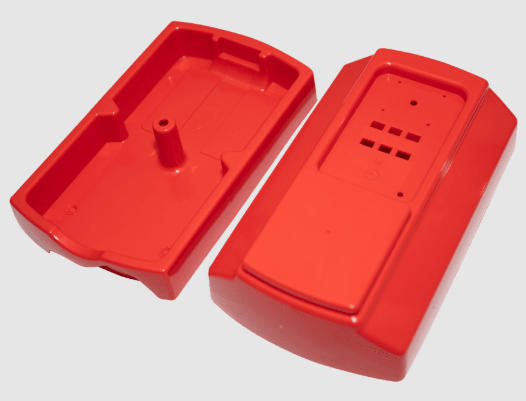
Case Studies: Our Success Stories in PE Injection Molding
We’ve helped clients across industries solve complex challenges with PE injection molding. Here are three standout projects:
Case Study 1: Automotive Fuel Tank for a Global OEM
- Challenge: A leading car manufacturer needed a lightweight, leak-proof fuel tank that met strict emissions standards.
- Solution: We used HDPE (for chemical resistance) and custom tooling to design a multi-layer tank with a barrier layer (prevents fuel evaporation).
- Results: 15% weight reduction vs. metal tanks; 0 leaks in 100,000+ units produced; 20% cost savings for the client.
Case Study 2: Medical Syringe Barrels for a Pharmaceutical Company
- Challenge: A drugmaker required syringe barrels that were sterile, chemical-resistant, and compatible with automated filling lines.
- Solution: FDA-compliant HDPE with precision molding (±0.003mm tolerance) and in-line sterilization.
- Results: 99.9% defect-free rate; met all FDA requirements; 30% faster lead times than the client’s previous supplier.