
Our Mold CNC Machining Services
At Yigu Technology, we elevate Mold CNC Machining to new heights with cutting-edge Precision Engineering and state-of-the-art CNC Equipment.
From custom Injection Molds to high-performance Die Casting Molds, our expertise in Toolmaking and Mold Manufacturing delivers consistent, durable, and cost-effective solutions—empowering your production line to achieve seamless, high-quality output every time.
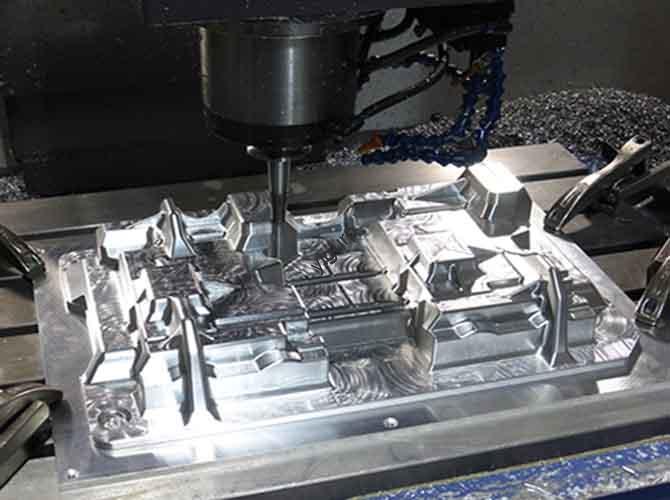
Our Capabilities: Mastering Mold CNC Excellence
At Yigu Technology, our Mold CNC Machining capabilities are tailored to meet the diverse needs of industries ranging from automotive to consumer goods. We invest in top-tier equipment and train our team to handle even the most complex mold designs, ensuring we deliver solutions that align with your production goals—whether you need a prototype mold or high-volume mold production.
Key Capabilities Overview
| Capability | Description | Technical Specs |
| High-Precision Machining | Craft mold components with ultra-tight tolerances for consistent part production | Up to ±0.001 mm tolerance; surface finish as smooth as Ra 0.4 μm |
| Advanced CNC Equipment | A full fleet of specialized machines for mold-specific tasks | 5-axis CNC mills, high-speed CNC engraving machines, and EDM (Electrical Discharge Machining) systems |
| Custom Mold Making | Design and manufacture molds tailored to your unique product requirements | Supports complex geometries (e.g., undercuts, thin walls) and custom cavity counts |
| Quality Assurance | Rigorous testing to ensure molds perform reliably in production | In-line CMM (Coordinate Measuring Machine) inspections; ISO 9001 & IATF 16949 (automotive) certified |
| Rapid Prototyping | Fast turnaround for mold prototypes to validate design and production feasibility | Prototype molds ready in 5–7 business days; functional test runs included |
| Production Capacity | Scale from small-batch mold production to large-volume orders | Up to 50 complex molds/month; flexible scheduling for peak demand |
| Technical Expertise | Team of engineers with 12+ years of mold CNC machining experience | Specialized in multi-cavity molds, hot-runner molds, and micro-precision molds |
| Multi-Axis Machining | Access hard-to-reach areas in complex mold designs (e.g., core and cavity) | 5-axis machining reduces setup time by 45% vs. traditional 3-axis methods; minimizes tool marks |
Whether you need a custom Blow Mold for plastic bottles or a high-precision Compression Mold for rubber parts, our capabilities ensure your mold is built to last, perform, and scale with your business.
Definition: What Is Mold CNC Machining?
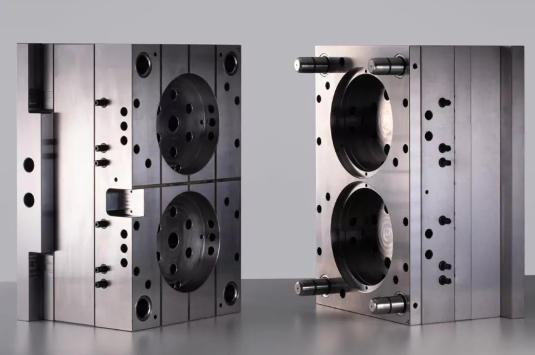
Mold CNC Machining is a specialized branch of Mechanical Manufacturing that uses Computer Numerical Control (CNC) technology to craft precise, complex molds for industrial production. Unlike traditional manual toolmaking, which relies on human skill and is prone to variation, this process leverages pre-programmed software to control Cutting Tools and machinery—ensuring every mold component meets exact specifications.
At its core, Mold CNC Machining combines advanced Machining Technology with digital precision to create molds used in key manufacturing processes like Injection Molding (for plastics), Die Casting (for metals), and blow molding (for hollow parts). These molds act as the “blueprint” for mass-produced parts; their accuracy directly impacts the quality, consistency, and cost of the final products—whether it’s a plastic toy, an automotive component, or a medical device. Simply put, it’s the backbone of efficient, high-volume manufacturing, turning design concepts into repeatable, reliable production tools.
Process: The Step-by-Step Mold CNC Machining Journey
Our Mold CNC Machining process is a structured, customer-focused workflow designed to turn your product design into a high-performance mold. Every step is optimized for accuracy, efficiency, and reliability, with clear communication to keep you updated on progress.
The 8-Step Mold CNC Machining Process
- Design and Simulation: We start by reviewing your product’s 2D/3D CAD files (e.g., from SolidWorks or AutoCAD). Our engineers use specialized mold simulation software (e.g., MoldFlow) to test the mold design—predicting issues like plastic flow, cooling time, or part warpage before machining begins. This step reduces costly reworks and ensures the mold produces perfect parts.
- Material Selection: Based on your mold’s use (e.g., material to be molded, production volume, temperature requirements), we help you choose the right mold material (see Section 5 for options). We source materials from certified suppliers to guarantee durability and performance.
- CNC Programming: Our programmers convert the mold design into G-code (the language CNC machines use). The code includes detailed tool paths, cutting speeds, and depths—with extra attention to critical areas like Core and Cavity Components and Ejector Pins.
- Machining Operations: The programmed CNC machines (5-axis mills, EDM systems) execute the cuts. Multi-Axis Machining is used for complex mold geometries, allowing the tool to reach every surface without repositioning the mold—ensuring consistency and reducing errors.
- Inspection and Testing: After machining, each mold component undergoes rigorous inspection. We use CMMs, laser scanners, and optical comparators to check dimensions, tolerances, and surface finish—ensuring they match your design specs exactly.
- Finishing Processes: Mold components are polished (for smooth part surfaces), coated (e.g., titanium nitride for wear resistance), or heat-treated (to enhance hardness). These steps extend the mold’s lifespan and improve part quality.
- Assembly and Integration: We assemble all mold components (core, cavity, ejector pins, cooling systems) and test the mold’s functionality. This includes dry runs to ensure smooth operation and proper ejection.
- Quality Control: A final full-system test is conducted—we run a small batch of parts (using your target material) to verify the mold produces consistent, high-quality results. Only after passing this test is the mold shipped to you.
This process is transparent—you’ll receive regular updates, including design approvals, inspection reports, and test run samples, so you’re always in control.
Materials: Choosing the Right Foundation for Your Mold
The success of a Mold CNC Machining project depends heavily on material selection. Different mold materials have unique properties (hardness, heat resistance, machinability) that make them suitable for specific applications—whether you’re molding plastic toys or high-temperature metal parts. We work with a wide range of materials to match your mold’s needs:
Mold Material Options and Their Benefits
| Material | Key Properties | Ideal Applications |
| Tool Steel | High hardness, wear resistance, and heat resistance | Die Casting Molds (for metals), high-volume Injection Molds (plastic), molds for abrasive materials |
| Stainless Steel | Corrosion-resistant, easy to clean, good heat conductivity | Medical Injection Molds (requires sterilization), food-grade packaging molds, marine industry molds |
| Aluminum Alloys | Lightweight, fast heat dissipation, cost-effective | Low-to-medium volume Injection Molds (plastic), Blow Molds, prototype molds (fast turnaround) |
| Brass | Excellent machinability, good thermal conductivity, corrosion-resistant | Small precision molds (e.g., electronics components), molds for low-temperature materials |
| Bronze | High wear resistance, good heat retention, durable | Molds for rubber (Compression Molds), molds for high-friction parts |
| Plastic Materials (e.g., PEEK) | Lightweight, chemical-resistant, low cost | Prototype molds, low-volume production molds (e.g., custom hobby parts) |
| Composite Materials | High strength-to-weight ratio, heat-resistant, customizable | Aerospace Injection Molds, molds for high-performance plastics |
| Hardened Steels (e.g., H13, S7) | Ultra-hard (50–60 HRC), extreme heat resistance, long lifespan | High-volume Die Casting Molds (aluminum, zinc), molds for high-temperature plastics (e.g., nylon) |
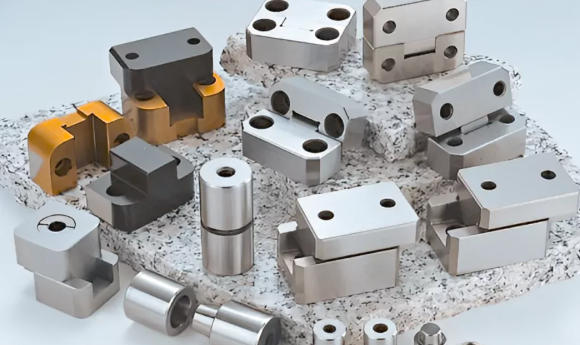
Our engineers will help you select the perfect material—balancing performance, cost, and lifespan to ensure your mold delivers maximum value.
Advantages: Why Mold CNC Machining Outperforms Traditional Toolmaking
Mold CNC Machining offers a host of advantages over traditional manual toolmaking or outdated mold manufacturing methods. These benefits make it the top choice for industries that demand consistency, efficiency, and high-quality production.
Core Advantages of Mold CNC Machining
- Precision and Accuracy: CNC machines achieve tolerances as tight as ±0.001 mm—far better than manual toolmaking. This ensures every part produced from the mold is identical, even for complex designs like undercuts or thin walls.
- Consistency and Reproducibility: Once programmed, a CNC machine can produce multiple identical molds (or mold components) with zero variation. This is critical for businesses that need to scale production across multiple factories or replace worn molds without changing part quality.
- Cost-Effectiveness: While CNC machines have higher upfront costs, they reduce labor time (no manual grinding or fitting) and waste (precise cuts mean less material scrap). For high-volume mold production, this lowers the total cost per mold by up to 30% vs. traditional methods.
- Time Efficiency: CNC machines work 24/7 with minimal supervision. They also complete complex mold designs 50% faster than manual toolmaking—reducing lead times from months to weeks (or even days for prototypes).
- Customization: CNC machining handles complex, one-of-a-kind mold designs with ease. Whether you need a multi-cavity Injection Mold or a custom Blow Mold for a unique product shape, we can bring your vision to life.
- Enhanced Durability: Molds made with CNC machining have consistent material properties and smooth surfaces—reducing wear and tear during production. A well-made CNC mold can produce 1–5 million parts (depending on material), vs. 500,000–1 million for a manually made mold.
- Reduced Waste: Precise tool paths mean less material is wasted during machining. This not only cuts costs but also makes the process more environmentally friendly—aligning with sustainable manufacturing goals.
- High Surface Finish: CNC machining produces molds with ultra-smooth surfaces (Ra 0.4–0.8 μm), eliminating the need for post-production polishing. This results in finished parts with a professional, blemish-free appearance—critical for consumer-facing products.
In short, Mold CNC Machining helps you get better molds, faster, and at a lower cost—giving your production line a competitive edge.
Case Studies: Real-World Mold CNC Machining Success
At Yigu Technology, our Mold CNC Machining solutions have helped clients across industries solve production challenges, reduce costs, and improve part quality. Below are three key case studies that showcase our expertise:
Case Study 1: High-Volume Injection Molds for a Consumer Goods Brand
Challenge: A leading consumer goods company needed 10 Injection Molds for a new line of plastic food containers. The molds required 8 cavities each (to maximize output) and had to produce 5 million containers/year with zero defects. The client’s previous supplier struggled with inconsistent part thickness and mold wear (molds failed after 1 million parts).
Solution: We used Tool Steel (H13, hardened to 52 HRC) for the molds—chosen for its wear resistance and heat dissipation. Our 5-axis CNC Machining ensured the 8 cavities in each mold were identical (±0.002 mm tolerance), and we added a titanium nitride coating to extend mold lifespan. We also optimized the cooling system via Design and Simulation to reduce cycle time.
Results:
- Molds produced 5 million defect-free containers/year—meeting the client’s volume target.
- Mold lifespan increased to 3 million parts (3x longer than the previous supplier’s molds).
- Cycle time reduced by 20% (from 30 seconds to 24 seconds per part), cutting production costs by 15%.
- Client Testimonial: “Yigu’s molds transformed our production—we now meet demand faster and with zero waste. Their precision is unmatched.” — Production Director, Consumer Goods Brand
Case Study 2: Die Casting Molds for an Automotive Supplier
Challenge: An automotive supplier needed 3 Die Casting Molds for aluminum engine brackets. The brackets required tight tolerances (±0.005 mm) and had complex geometries (undercuts and thin walls). The client’s previous mold failed during testing due to uneven metal flow, causing part warpage.
Solution: We used Hardened Steel (S7) for the molds—selected for its heat resistance (critical for molten aluminum). Our Technical Expertise in Multi-Axis Machining allowed us to create the undercuts without compromising precision. We also used Mold Flow Simulation to optimize the gating system (where metal enters the mold), ensuring even flow.
Results:
- Molds produced brackets with perfect geometry—no warpage, meeting the ±0.005 mm tolerance.
- The client passed their automotive quality audit (IATF 16949) on the first try.
- Production yield increased from 70% (with the old mold) to 99%—saving the client $200,000/year in scrap costs.
These case studies prove that our Mold CNC Machining solutions deliver real, measurable value—whether you’re a large enterprise or a growing startup.