
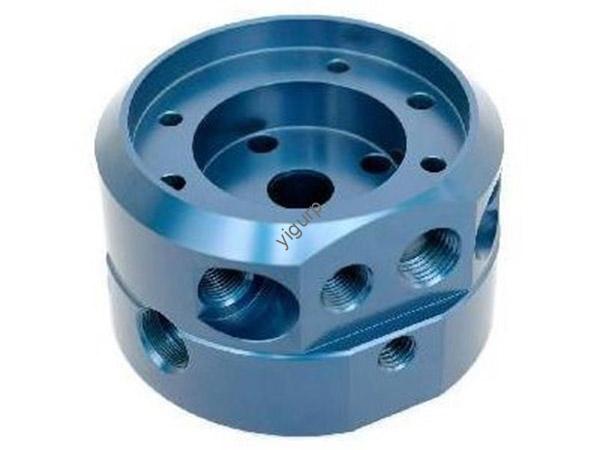
When your project requires a stainless steel that delivers good hardness, moderate corrosion resistance, and cost-effectiveness—for applications like cutlery, automotive components, or industrial fasteners—JIS SUS410 stainless steel offers a reliable solution. As a martensitic stainless steel, it achieves its strength and hardness through heat treatment, making it ideal for applications where wear resistance and affordability matter more than extreme corrosion protection. This guide covers its key properties, real-world applications, manufacturing processes, and how it compares to other materials, helping you determine if this versatile grade meets your needs.
Introduction
The world of stainless steel presents a fundamental trade-off. Austenitic grades like SUS304 offer excellent corrosion resistance but are relatively soft and come with higher material costs due to their nickel content. Ferritic grades provide moderate performance but lack the hardness needed for wear applications. JIS SUS410 occupies a distinct position in this landscape. As a martensitic stainless steel, it can be heat treated to achieve significant hardness while maintaining enough chromium content to resist corrosion in mild environments. This combination of hardenability, moderate corrosion resistance, and affordability has made it a staple for components that need to withstand wear without demanding the highest levels of rust protection.
What Defines JIS SUS410 Stainless Steel?
The performance of JIS SUS410 is rooted in its martensitic microstructure and the specific chemical composition that enables it. Understanding these fundamentals explains why this material behaves differently from austenitic or ferritic stainless steels.
Chemical Composition
JIS SUS410 achieves its properties through a balance of chromium for corrosion resistance and carbon for hardenability, with minimal nickel to control cost.
| Element | Content Range (%) | Functional Role |
|---|---|---|
| Chromium (Cr) | 11.5–13.5 | Forms a protective oxide layer providing mild corrosion resistance in indoor and dry environments. |
| Carbon (C) | ≤ 0.15 | Enables heat treatment to form martensite, delivering hardness and wear resistance after quenching and tempering. |
| Manganese (Mn) | ≤ 1.00 | Improves workability during rolling and machining operations. |
| Silicon (Si) | ≤ 1.00 | Reduces oxidation during manufacturing and aids in deoxidation. |
| Nickel (Ni) | ≤ 0.60 | Kept low to control cost; austenitic properties are not required. |
| Phosphorus (P) | ≤ 0.040 | Controlled to prevent cold brittleness in heat-treated components. |
| Sulfur (S) | ≤ 0.030 | Minimized to maintain toughness and machinability balance. |
Mechanical Properties
The mechanical characteristics of JIS SUS410 are defined by its response to heat treatment. The values below are typical for the hardened and tempered condition.
| Property | Typical Value | Practical Significance |
|---|---|---|
| Tensile Strength | ≥ 620 MPa | Provides adequate strength for load-bearing components like shafts and fasteners. |
| Yield Strength | ≥ 450 MPa | Resists permanent deformation under operating loads, maintaining part geometry. |
| Hardness | ≥ 200 HB (≥ 20 HRC) | Achieves wear resistance for cutting edges and sliding surfaces after heat treatment. |
| Elongation | ≥ 15% | Provides enough ductility for simple forming operations without cracking. |
| Impact Toughness | Moderate | Suitable for applications without severe shock loading. |
| Hardness Range | Up to 45 HRC achievable | Tempering temperature controls final hardness—lower tempering yields higher hardness. |
Physical Properties
The physical characteristics of JIS SUS410 distinguish it from austenitic grades and simplify certain applications.
| Property | Typical Value | Practical Significance |
|---|---|---|
| Density | 7.7 g/cm³ | Slightly lighter than austenitic stainless steels, beneficial for weight-sensitive components. |
| Magnetic Properties | Strongly magnetic | Distinct from non-magnetic SUS304; simplifies identification and enables magnetic handling. |
| Melting Point | 1,430–1,510°C | Compatible with standard heat treatment and welding processes. |
| Thermal Conductivity | 25–30 W/(m·K) | Higher than austenitic grades, aiding heat dissipation during operation. |
Why Is It a Practical Choice for Hardness-Sensitive Applications?
JIS SUS410 has become a standard material for components requiring hardness at a moderate cost because its properties align well with practical manufacturing and service requirements.
Heat Treatable for High Hardness
Unlike austenitic stainless steels that cannot be hardened by heat treatment, SUS410 responds readily to quenching and tempering. After proper heat treatment, it achieves hardness levels up to 45 HRC, making it suitable for cutting edges, wear surfaces, and components that must resist scratching or galling.
Good Corrosion Resistance for Mild Environments
The 11.5–13.5% chromium content provides adequate protection against rust in dry indoor environments, mild humidity, and exposure to fresh water. For applications like kitchen cutlery, automotive interior components, and indoor hardware, this level of corrosion resistance is entirely sufficient.
Cost-Effective Compared to Austenitic Grades
With lower nickel content than SUS304, SUS410 typically costs 15–25% less. For applications where extreme corrosion resistance is not required, this cost advantage makes it an attractive alternative to austenitic stainless steels.
Magnetic for Easy Identification
The strong magnetic response of SUS410 simplifies sorting and identification in manufacturing environments. This property also enables magnetic holding fixtures and makes the material suitable for applications where magnetic properties are beneficial.
Where Is JIS SUS410 Commonly Used?
The combination of hardenability, moderate corrosion resistance, and affordability makes JIS SUS410 suitable for a wide range of applications across multiple industries.
- Cutlery and Kitchenware:
- Knife blades for budget-friendly kitchen knives that require good edge retention and resistance to food acids.
- Forks, spoons, and spatulas that need durability and corrosion resistance from regular washing.
- Scissors and kitchen shears that must maintain sharp edges through repeated use.
- Automotive Components:
- Valve stems that require strength and moderate corrosion resistance in engine environments.
- Exhaust system components operating at moderate temperatures.
- Gears and shafts for non-critical drive systems.
- Fasteners and brackets in interior and under-hood applications.
- Surgical and Medical Instruments:
- Basic surgical tools like forceps, scissors, and scalpel handles that require sterilization and sharp edges.
- Dental instruments where hardness and corrosion resistance are needed.
- Disposable surgical instruments requiring cost-effective stainless steel.
- Hardware and Fasteners:
- Bolts, nuts, and screws for indoor furniture, appliances, and mild outdoor applications.
- Door hinges and handles for residential and commercial buildings.
- Electrical enclosure hardware requiring magnetic properties.
- Industrial Equipment:
- Wear plates and conveyor components requiring surface hardness.
- Pump shafts in non-corrosive fluid applications.
- Valve components for moderate service conditions.
How Is JIS SUS410 Manufactured?
The manufacturing process for JIS SUS410 is designed to develop its martensitic structure and optimize its properties for end-use applications.
Hot Rolling and Forming
SUS410 is produced by hot rolling at 1,100–1,200°C to form bars, plates, and sheets. This process ensures uniform carbon distribution and refines the grain structure. For thin-gauge applications like cutlery blanks, cold rolling at room temperature improves surface finish and dimensional accuracy.
Annealing
Before machining or forming, SUS410 is annealed at 800–900°C and slow-cooled. This softens the steel to approximately 160–200 HB, making it workable for drilling, milling, and shaping operations. Annealing also relieves internal stresses from prior processing.
Heat Treatment
Heat treatment is the critical step that develops SUS410’s hardness:
| Process | Temperature Range | Purpose |
|---|---|---|
| Hardening (Austenitizing) | 950–1,050°C | Transforms the structure to austenite, preparing it for martensite formation. |
| Quenching | Oil quench | Rapid cooling transforms austenite to hard martensite, achieving maximum hardness. |
| Tempering | 150–300°C | Reduces brittleness while retaining hardness. Higher tempering temperatures (300–600°C) reduce hardness but increase toughness. |
The final hardness can be adjusted by tempering temperature: 150–200°C yields maximum hardness (40–45 HRC) for cutting tools; 250–300°C yields 30–35 HRC for components needing more toughness.
Machining
In the annealed condition, SUS410 machines well with high-speed steel (HSS) or carbide tooling. Coolant is recommended to prevent work hardening and overheating. After heat treatment, grinding is the preferred method for finishing.
Surface Treatment
To enhance corrosion resistance, SUS410 parts can be passivated with nitric or citric acid, which thickens the chromium oxide layer. For outdoor or wet applications, additional coatings like paint or zinc plating may be applied.
How Does It Compare to Other Materials?
Understanding where JIS SUS410 fits relative to alternatives helps clarify its value for specific applications.
| Material | Hardness (Heat Treated) | Corrosion Resistance | Magnetic | Relative Cost | Best Applications |
|---|---|---|---|---|---|
| JIS SUS410 | Up to 45 HRC | Moderate (indoor/dry) | Yes | $$ | Cutlery, fasteners, automotive components |
| SUS304 | ≤ 90 HRB (soft) | Excellent | No | $$$ | Sinks, railings, food equipment |
| SUS316 | ≤ 90 HRB (soft) | Excellent (marine) | No | $$$$ | Marine, chemical, medical implants |
| SUS430 | ≤ 85 HRB (soft) | Moderate | Yes | $ | Appliance trim, decorative parts |
| Carbon Steel | Up to 65 HRC | Poor | Yes | $ | Tools requiring maximum hardness, indoor use |
| Titanium | Up to 35 HRC | Excellent | No | $$$$$ | Aerospace, medical implants |
Key takeaways:
- SUS410 offers significantly higher hardness than austenitic grades like SUS304 and SUS316, making it better suited for cutting edges and wear surfaces.
- Compared to carbon steel, SUS410 provides superior corrosion resistance at a modest cost premium.
- For applications requiring maximum corrosion resistance (marine, chemical), SUS316 or other austenitic grades are better despite higher cost.
- The magnetic property of SUS410 distinguishes it from non-magnetic SUS304 and can be an advantage or limitation depending on the application.
Case Studies: JIS SUS410 in Real-World Applications
Case Study 1: Budget-Friendly Kitchen Knives
A kitchenware brand in South Korea was producing budget-friendly knife sets using carbon steel. The knives were sharp and affordable, but customers complained about rust after dishwashing. The brand switched to JIS SUS410 blades with proper heat treatment (hardened to 40 HRC, tempered for toughness). The new knives maintained sharpness for twice as long as the carbon steel version and resisted rust from regular washing. The material cost increased by 15%, but customer satisfaction improved significantly, and the brand was able to market the knives as “stainless” at a competitive price point.
Case Study 2: Automotive Valve Stems
A Chinese automotive supplier was manufacturing valve stems from a low-alloy steel. While the stems met strength requirements, they were prone to corrosion from engine oil additives and moisture. The company switched to JIS SUS410 valve stems, heat treated to 35 HRC for a balance of strength and toughness. The SUS410 stems withstood engine conditions without corrosion and maintained dimensional stability over 100,000 kilometers of testing. The material cost increase was offset by reduced warranty claims.
Case Study 3: Industrial Conveyor Rollers
A German factory using steel conveyor rollers for heavy material handling was experiencing rapid wear on the roller surfaces. The existing carbon steel rollers required replacement every 18 months. The factory installed rollers made from JIS SUS410, hardened to 40 HRC. The SUS410 rollers lasted 4 years—more than double the service life—and showed minimal surface wear. The higher initial cost was recovered within the first two years through reduced downtime and replacement labor.
Conclusion
JIS SUS410 stainless steel offers engineers and manufacturers a practical balance of hardness, moderate corrosion resistance, and affordability. Its martensitic structure enables heat treatment to achieve hardness levels up to 45 HRC, making it suitable for cutting edges, wear surfaces, and components requiring resistance to scratching and galling. The 11.5–13.5% chromium content provides adequate protection against rust in dry indoor environments, mild humidity, and fresh water. While it cannot match the corrosion resistance of austenitic grades like SUS304 or SUS316, its lower cost and higher hardness make it the preferred choice for applications where wear resistance is the primary concern. From kitchen knives and surgical instruments to automotive components and industrial hardware, JIS SUS410 delivers reliable performance at a price that fits project budgets.
FAQ About JIS SUS410 Stainless Steel
Is JIS SUS410 rust-proof?
No, it is not rust-proof. SUS410 has moderate corrosion resistance suitable for dry indoor environments, mild humidity, and fresh water. It will rust in saltwater, chlorinated water (swimming pools), or prolonged exposure to heavy humidity. For marine or chemical applications, SUS316 is recommended. Regular cleaning and passivation help maintain corrosion resistance.
Can JIS SUS410 be bent into shapes?
Yes, but with limitations. SUS410 has elongation of approximately 15%, allowing for simple bends and curves. Sharp bends or complex forming should be performed in the annealed condition, and the part should be heat treated afterward to restore hardness. Cold bending of hardened SUS410 can cause cracking.
Why is JIS SUS410 magnetic?
Because it is a martensitic stainless steel. The martensite crystal structure formed during heat treatment is magnetic, unlike the austenitic structure of SUS304, which is non-magnetic. This property can be used for identification and is beneficial in applications requiring magnetic response, though it may be a limitation in applications where non-magnetic properties are required.
What is the maximum hardness achievable with SUS410?
With proper heat treatment, SUS410 can achieve hardness up to approximately 45 HRC. The specific hardness depends on the tempering temperature: lower tempering (150–200°C) yields maximum hardness for cutting applications; higher tempering (300–600°C) yields lower hardness but increased toughness for components requiring impact resistance.
Discuss Your Projects with Yigu Rapid Prototyping
Selecting the right stainless steel for your application requires balancing hardness, corrosion resistance, and cost. At Yigu Rapid Prototyping, we combine deep expertise in materials like JIS SUS410 with advanced manufacturing capabilities to deliver components that meet your specific requirements. Whether you need cutlery blades, automotive components, industrial fasteners, or custom parts requiring wear resistance, our team can guide you from material selection through heat treatment and finishing.
We specialize in working with martensitic stainless steels, offering services including precision machining, custom heat treatment, passivation, and quality testing. If your next project demands hardness and reliability at a practical cost, we are ready to help. Contact us today to discuss your requirements and discover how our expertise can support your component needs.