
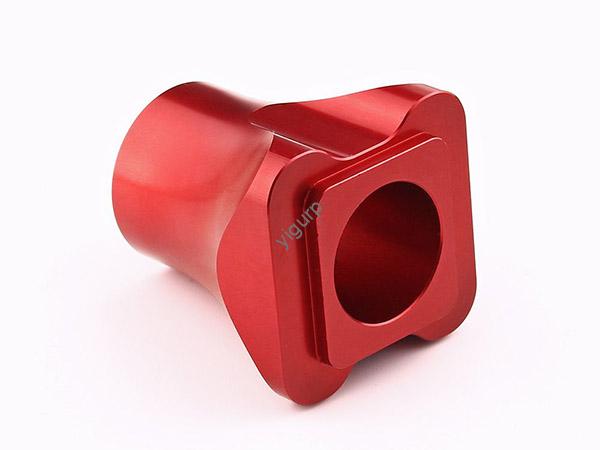
If you’re in construction, manufacturing, or automotive industries, red primed steel is a go-to material for projects needing rust protection and easy finishing. It’s regular steel coated with a red oxide primer—striking the perfect balance between durability and cost. This guide covers its key traits, how it’s made, where to use it, and why it’s a smart choice for your next project.
What are the material characteristics of red primed steel?
Red primed steel’s value comes from combining steel’s strength with the primer’s corrosion resistance. The red oxide primer acts as a base coat that sticks tightly to steel and helps topcoats adhere better.
Core properties
| Characteristic | Typical Value | Why It Matters |
|---|---|---|
| Tensile strength | 400 – 550 MPa | Supports structural loads like beams and brackets |
| Corrosion resistance | 6–12 months indoor protection | Prevents rust during storage and transport |
| Hardness | 110 – 130 BHN | Soft enough to cut and drill, tough enough for daily use |
| Ductility | 20 – 25% elongation | Bends without cracking, ideal for forming pipes and frames |
| Density | 7.85 g/cm³ | Easy to calculate shipping costs |
| Thermal conductivity | 45 W/(m·K) | Transfers heat well for HVAC components |
| Magnetic properties | Highly magnetic | Works for electrical parts like transformer cores |
A study found that paint on red primed steel lasts 3 times longer than paint on unprimed steel. The primer ensures topcoats adhere properly without peeling.
Where is red primed steel used?
Red primed steel’s rust protection and versatility make it ideal for industries where steel needs to stay in good shape before final finishing.
Construction and infrastructure
Red primed steel beams, columns, and rebar are used in buildings and bridges. The primer protects them from rust during construction, which can take months. A residential builder in Texas used red primed steel for roof trusses. The trusses sat on-site for 8 weeks without rusting, saving time on cleaning.
Automotive and manufacturing
Car chassis frames and door panels start as red primed steel. Automakers then add a topcoat of paint to match the vehicle’s color—the primer ensures the paint doesn’t peel. Industrial machinery frames for conveyor belts and drill presses also use red primed steel, protecting against oil and moisture until assembly.
Decor and furniture
Red primed steel sheets are cut into decorative screens and railings. Designers paint over the primer to match the space’s aesthetic—the red base ensures even color coverage. Furniture frames made from red primed steel are easy to finish with spray paint or powder coating. A furniture brand reported 20% faster production times using red primed steel, eliminating in-house primer application.
When to avoid it
Skip red primed steel for outdoor projects exposed to heavy rain or salt, like marine parts. For harsh chemicals like chemical processing tanks, use galvanized or stainless steel instead.
How is the surface treatment applied?
The surface treatment process is what makes red primed steel unique. It’s all about the red oxide primer and how it’s applied.
Surface preparation
First, the base steel is cleaned to remove dirt, oil, and mill scale.
- Sandblasting: High-pressure sand removes rust and scale, creating a rough surface for primer grip.
- Shot blasting: Metal shots blast away debris, ideal for thicker steel parts like beams.
- Chemical cleaning: Mild solvents remove oil, critical for parts like automotive panels.
Primer application
The cleaned steel is coated with red oxide primer—a mixture of iron oxide for color, binders, and solvents.
- Spray coating: Fast and even, used for large sheets or complex shapes.
- Dip coating: Steel parts are dipped in primer, ideal for small items like fasteners.
- Roll coating: Flat sheets pass through primer-coated rollers, used for standardized products like roofing panels.
Drying and curing
The primer is dried at 60–80°C for 30–60 minutes. This cures the primer, making it hard and scratch-resistant. Final primer thickness is usually 20–40 μm—thin enough to not affect steel dimensions.
Optional topcoats
While red primed steel can be used as-is for temporary projects, most users add a topcoat like paint or powder coating for long-term protection.
How is red primed steel manufactured?
Red primed steel is made by adding a primer step to standard steel production.
Steel production and shaping
Iron ore is smelted into pig iron, then refined into molten steel. The steel is cast into billets or slabs using continuous casting. These are shaped via hot rolling for thick parts, cold rolling for thin sheets, or forging for strong parts. Cutting methods like laser cutting or plasma cutting trim steel to size.
Heat treatment (optional)
For parts needing extra hardness, the steel undergoes annealing for softening or quenching and tempering for hardening. This happens before priming to avoid damaging the coating.
Surface treatment and priming
As detailed earlier, the steel is cleaned and coated with red oxide primer. This is the final step before packaging.
Quality control
Inspectors check primer thickness using a film gauge to ensure 20–40 μm. Adhesion is tested with a tape test—primer shouldn’t peel. Dimensional accuracy meets standards like ASTM A36.
What technical specifications matter?
To ensure you’re getting the right red primed steel, pay attention to these key specs.
| Category | Details & Standards |
|---|---|
| Dimensions | Thickness 0.5–20 mm; length/width 1–6 m; tolerance ±0.1 mm |
| Material standards | Base steel ASTM A36; primer ISO 12944 |
| Performance specs | Rust protection 6+ months indoor; primer adhesion ≥5 MPa |
| Testing methods | Tensile test ASTM E8; salt spray test ASTM B117; tape test ASTM D3359 |
Pro tip: Always ask for a technical data sheet from the supplier. It lists all specs including primer type, steel grade, and test results.
Conclusion
Red primed steel offers practical rust protection and easy finishing at a reasonable cost. Its red oxide primer provides 6–12 months of indoor corrosion protection, saving time on cleaning and priming. For construction beams, automotive panels, and furniture frames where a topcoat will be applied later, it’s a smart choice. While not suitable for harsh outdoor or chemical environments, it delivers reliable performance for most indoor and protected applications.
FAQ
How long does the red primer protect steel from rust?
Indoors in dry, low-moisture conditions, it protects for 6–12 months. Outdoors exposed to rain, it only lasts 1–2 months. Always add a topcoat like paint or powder coating for outdoor use.
Can I weld red primed steel?
Yes, but remove the primer from the welding area first. The primer’s solvents can burn and create toxic fumes. Leftover primer can also weaken the weld. Use a grinder or sandpaper to strip 2–3 cm of primer around the weld spot.
Is red primed steel more expensive than unprimed steel?
Only slightly—usually 5–10% more. The extra cost saves time on applying primer yourself and prevents rust damage during storage, which can cost far more to fix.
What topcoats work best with red primed steel?
Most paints and powder coatings adhere well. The red oxide primer is designed as a base coat. For best results, use a topcoat compatible with the primer’s binder system. Test a small area first if unsure.
Can red primed steel be used outdoors without a topcoat?
Not recommended. The primer is designed for temporary protection during storage and construction. For permanent outdoor use, apply a durable topcoat like epoxy paint or powder coating.
Discuss Your Projects with Yigu Rapid Prototyping
At Yigu Rapid Prototyping, we supply red primed steel sheets, beams, and pipes that meet ASTM A36 and ISO 12944 standards. Our primer is applied via spray coating for even coverage. We offer laser cutting services to reduce on-site work, and we provide technical data sheets and certification documents with every order. Contact us to discuss your next project.