
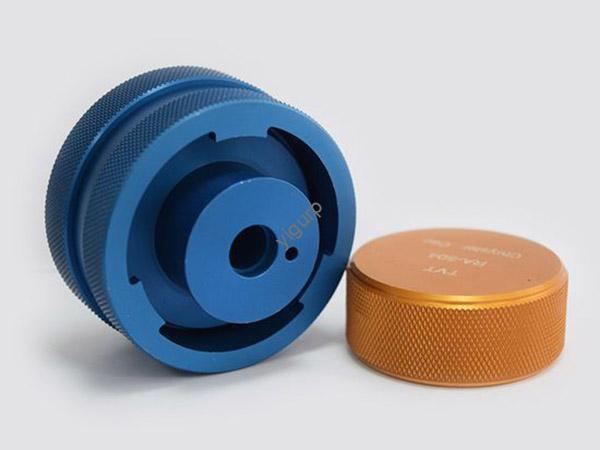
When your application involves heavy-duty bearings, mining equipment, or industrial machinery that operates under high loads and elevated temperatures, you need a bearing steel that delivers exceptional fatigue resistance and toughness. EN 100CrMo7 bearing steel—a European-standard alloy with added molybdenum—offers distinct advantages over standard bearing steels. Its unique composition provides superior hardenability, high-temperature strength, and outstanding fatigue life. In this guide, I will walk you through its properties, applications, and how to work with it based on real manufacturing experience.
Introduction
EN 100CrMo7 is a high-carbon chromium-molybdenum bearing steel defined by European standard EN 10083-3. Its composition includes 0.95–1.05% carbon for hardness, 1.50–1.80% chromium for hardenability and wear resistance, and a critical addition of 0.15–0.25% molybdenum. This molybdenum addition is what distinguishes EN 100CrMo7 from standard bearing steels such as 100Cr6. Molybdenum improves high-temperature strength, enhances hardenability, and increases toughness—properties that are essential for bearings operating in demanding conditions. Over the years at Yigu Rapid Prototyping, I have worked with mining equipment manufacturers, heavy automotive suppliers, and industrial machinery builders who specify EN 100CrMo7 for components that must withstand high loads, elevated temperatures, and repeated stress cycles. Its combination of properties makes it the preferred choice for the most demanding bearing applications.
What Makes EN 100CrMo7 Superior for Demanding Applications?
EN 100CrMo7 achieves its superior properties through its chromium-molybdenum chemistry. The molybdenum addition provides enhanced hardenability, high-temperature strength, and improved toughness compared to standard bearing steels.
The Chemistry Behind the Performance
The chemical composition of EN 100CrMo7 is specified in EN 10083-3. The molybdenum addition is the key differentiator from standard bearing steels.
| Element | Content Range (%) | Why It Matters |
|---|---|---|
| Carbon (C) | 0.95 – 1.05 | Provides hardness and forms carbides for wear resistance. |
| Chromium (Cr) | 1.50 – 1.80 | Enhances hardenability and fatigue strength. Forms chromium carbides. |
| Molybdenum (Mo) | 0.15 – 0.25 | The critical addition. Boosts high-temperature strength and toughness. Improves hardenability. |
| Manganese (Mn) | 0.25 – 0.45 | Increases tensile strength and workability. |
| Silicon (Si) | 0.15 – 0.35 | Aids deoxidation during steelmaking. |
| Nickel (Ni) | ≤ 0.30 | Trace amount for minor ductility improvement. |
| Sulfur (S) / Phosphorus (P) | ≤ 0.025 | Kept low to prevent brittleness and maintain toughness. |
Key Insight: The molybdenum addition of 0.15–0.25% is what sets EN 100CrMo7 apart from 100Cr6. Molybdenum increases the steel’s resistance to tempering, allowing it to maintain hardness at higher temperatures. It also improves hardenability, ensuring uniform properties in larger sections.
Mechanical Properties That Matter
EN 100CrMo7’s mechanical properties are achieved through quenching and tempering. The material achieves high hardness while maintaining good toughness.
| Property | Typical Value | Significance |
|---|---|---|
| Hardness | 61 – 65 HRC | Provides excellent wear resistance for rolling and sliding contact. |
| Tensile Strength | ≥ 2,100 MPa | Handles high loads without failure. |
| Yield Strength | ≥ 1,900 MPa | Resists permanent deformation under heavy loads. |
| Elongation | ≤ 7% | Limited ductility is typical for high-hardness bearing steels. |
| Impact Toughness | ≥ 18 J | Provides enough toughness to resist shock loading. |
| Fatigue Limit | ≥ 1,000 MPa | Withstands millions of load cycles. Superior to standard bearing steels. |
Case Study: A mining company faced frequent bearing failures in conveyor belt systems. Bearings made from standard 100Cr6 steel lasted only three months due to high impact and dust. They switched to EN 100CrMo7 bearings with nitriding surface treatment. Bearing life extended to 12 months—a 300% improvement. Maintenance downtime was reduced by 75%, and replacement costs were cut by 60%.
Where Does EN 100CrMo7 Deliver the Most Value?
This material is specified for bearing applications that operate under high loads, elevated temperatures, or harsh conditions.
Mining and Heavy Equipment
Mining equipment requires bearings that can withstand high impact loads, dust, and continuous operation.
- Conveyor belt bearings: Bearings that support heavy loads and operate continuously.
- Crusher bearings: Bearings that withstand high impact and vibration.
- Excavator bearings: Bearings in digging equipment that face shock loads.
- Shaker screen bearings: Bearings that handle high vibration and abrasive conditions.
Case Study: A mining operation used EN 100CrMo7 for bearings in crushers and conveyor systems. The molybdenum-enhanced steel provided the toughness needed to withstand impact loads and the wear resistance required for dusty conditions. Bearing life increased from 6 months to over 24 months.
Heavy-Duty Automotive
Heavy trucks and off-road vehicles require bearings that can handle high loads and elevated temperatures.
- Transmission bearings: Bearings that handle high torque and repeated stress.
- Wheel bearings: Bearings that support heavy vehicle loads.
- Engine bearings: Bearings that operate at elevated temperatures.
- Axle bearings: Bearings that withstand high radial and axial loads.
Industrial Machinery
Industrial equipment operating under continuous use benefits from EN 100CrMo7’s fatigue resistance.
- Gearbox bearings: Bearings that handle high torque and speed.
- Pump bearings: Bearings that operate under continuous load.
- Motor bearings: Bearings in large industrial motors that generate heat.
Case Study: A manufacturer of large industrial motors experienced bearing failures after 10,000 hours of operation due to high operating temperatures. They switched to EN 100CrMo7 bearings. The molybdenum addition provided the high-temperature strength needed, and bearing life increased to 25,000 hours. The company saved $200,000 annually in maintenance costs.
Aerospace and Precision Applications
Aerospace applications require bearings with exceptional reliability and dimensional stability.
- Engine accessory bearings: Bearings in aircraft engines that operate at high temperatures.
- Landing gear bearings: Bearings that withstand high loads during takeoff and landing.
- Instrument bearings: Precision bearings for flight control systems.
How Is EN 100CrMo7 Manufactured and Processed?
Producing EN 100CrMo7 requires precise control over chemistry and heat treatment to achieve its superior properties.
Steelmaking
EN 100CrMo7 is produced in an electric arc furnace (EAF) for small batches or a basic oxygen furnace (BOF) for large-scale production. Molybdenum is added during melting to achieve the target 0.15–0.25% range.
Rolling and Forging
- Hot rolling: Heated to 1,100–1,200°C and rolled into bars, billets, and wire.
- Cold rolling: For precision components requiring smooth surfaces and tight tolerances.
- Precision forging: For complex shapes such as large bearing rings, forging improves grain structure and enhances mechanical properties.
Heat Treatment
Heat treatment is critical for achieving EN 100CrMo7’s properties.
- Quenching: Heat to 830–870°C, then rapidly cool in oil. This hardens the steel to 62–65 HRC.
- Tempering: Reheat to 160–220°C to reduce brittleness while maintaining high hardness (61–65 HRC).
- Carburizing (optional): For parts requiring a hard outer layer such as gear teeth, carburizing adds carbon to the surface.
Machining and Finishing
- Turning: For cylindrical parts such as bearing races.
- Grinding: For ultra-smooth surfaces. Essential for bearing performance. Surface finishes as smooth as Ra 0.1 μm are achieved.
- Surface treatment: Nitriding adds a hard surface layer for additional wear resistance. Blackening provides minor rust protection.
How Does EN 100CrMo7 Compare to Other Bearing Steels?
Understanding the trade-offs between EN 100CrMo7 and alternative materials helps in making an informed selection.
| Material | Hardness (HRC) | Fatigue Limit (MPa) | High-Temp Strength | Relative Cost | Best For |
|---|---|---|---|---|---|
| EN 100CrMo7 | 61 – 65 | ≥ 1,000 | Excellent | 100% | Heavy-duty, high-temperature applications |
| 100Cr6 | 60 – 64 | ~800 | Good | 85% | General bearing applications |
| AISI 52100 | 60 – 64 | ~800 | Good | 85% | U.S. market equivalent to 100Cr6 |
| JIS SUJ2 | 60 – 64 | ~800 | Good | 85% | Japanese market standard |
| AISI 440C Stainless | 58 – 60 | ~600 | Moderate | 180% | Wet and corrosive environments |
| Silicon Nitride (Ceramic) | 75 – 80 | ~900 | Excellent | 500% | High-speed, high-temperature applications |
Key Insights:
- Compared to 100Cr6, EN 100CrMo7 offers higher fatigue strength (≥ 1,000 MPa vs. ~800 MPa) and better high-temperature performance for a 15% cost premium. For heavy-duty applications, this upgrade is essential.
- Compared to AISI 440C stainless steel, EN 100CrMo7 offers higher hardness and better fatigue strength at approximately half the cost. For corrosive environments, stainless steel or coated EN 100CrMo7 is recommended.
- Compared to ceramic bearings, EN 100CrMo7 is significantly less expensive and easier to manufacture. Ceramic is reserved for extreme high-speed or high-temperature applications.
What About Corrosion Resistance?
EN 100CrMo7 has moderate corrosion resistance. For dry indoor applications, no additional protection is needed. For wet or corrosive environments, surface treatment is required:
- Nitriding: Adds a hard surface layer and provides some corrosion resistance.
- Zinc plating: Provides corrosion protection for bearings in humid or wet environments.
- Blackening: Low-cost protection for minor rust prevention.
Conclusion
EN 100CrMo7 bearing steel is a premium material for the most demanding bearing applications. Its molybdenum addition provides superior hardenability, high-temperature strength, and enhanced toughness compared to standard bearing steels. For mining equipment, heavy-duty automotive components, industrial machinery, and aerospace applications, EN 100CrMo7 delivers the fatigue resistance, wear resistance, and reliability required for long service life under extreme conditions. When you need a bearing steel that can handle high loads, elevated temperatures, and repeated stress cycles, EN 100CrMo7 is a proven, trusted choice.
FAQ About EN 100CrMo7 Bearing Steel
Why is molybdenum added to EN 100CrMo7?
Molybdenum improves EN 100CrMo7’s high-temperature strength and toughness. It allows the steel to maintain hardness at elevated temperatures and enhances hardenability, ensuring uniform properties in larger sections. This makes it suitable for applications such as mining equipment and industrial motors that generate heat or face heavy impacts.
Can EN 100CrMo7 be used in corrosive environments?
EN 100CrMo7 has moderate corrosion resistance. For wet or corrosive environments such as marine or food processing applications, apply a surface treatment such as nitriding or zinc plating to prevent rust and extend service life. For continuous immersion in water or chemicals, stainless steel bearing grades are recommended.
How does EN 100CrMo7 compare to 100Cr6?
EN 100CrMo7 has added molybdenum (0.15–0.25%), which boosts fatigue resistance and high-temperature strength. EN 100CrMo7 is better suited for heavy-duty, high-stress applications such as mining equipment and heavy trucks. 100Cr6 is ideal for lighter-duty applications such as light machinery and small motors.
What surface treatments work best for EN 100CrMo7?
Nitriding adds a hard surface layer that enhances wear resistance and provides some corrosion protection. Zinc plating provides corrosion protection for wet environments. Blackening is a low-cost option for minor rust prevention. For bearing races and rolling elements, precision grinding to a smooth finish is essential for performance.
Discuss Your Projects with Yigu Rapid Prototyping
Selecting the right bearing steel for heavy-duty applications requires balancing hardness, fatigue strength, high-temperature performance, and cost. At Yigu Rapid Prototyping, we help mining equipment manufacturers, heavy automotive suppliers, and industrial machinery builders navigate these decisions with practical, experience-based guidance. Whether you need EN 100CrMo7 for mining bearings, heavy-duty transmissions, or industrial motors, we can provide material sourcing, heat treatment, and precision finishing services. Contact us to discuss your project requirements and find the right solution.