
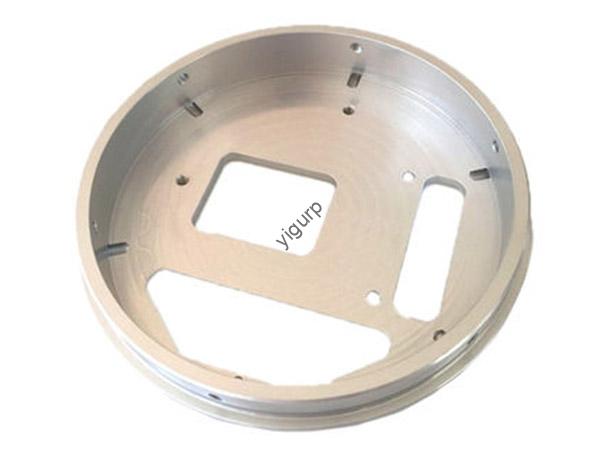
JIS SKD61 tool steel is the industry standard for hot work applications. It is a chromium-based alloy designed to withstand the extreme conditions of die casting, hot forging, and plastic injection molding. Its ability to resist thermal fatigue and maintain hot hardness makes it the go-to material for tools that must endure repeated heating and cooling cycles. This guide will explore its properties, how it is used, and why it outperforms other materials in high-temperature environments.
Introduction
Hot working tools face a unique set of challenges. They must be hard enough to resist wear from hot metal. They must be tough enough to avoid cracking under pressure. Most importantly, they must survive thousands of rapid heating and cooling cycles without developing surface cracks, a failure mode known as thermal fatigue. JIS SKD61 was specifically engineered to meet these demands. Its balanced chemistry, featuring chromium, molybdenum, and vanadium, provides the high-temperature strength and resistance to heat-checking that hot work tools require.
What Are the Key Properties of JIS SKD61?
The performance of JIS SKD61 is rooted in its precise chemical composition and the mechanical properties achieved through proper heat treatment.
Chemical Composition
Each element in JIS SKD61 contributes to its ability to perform in hot environments.
| Element | Content Range (%) | Its Role in Performance |
|---|---|---|
| Carbon (C) | 0.32 – 0.42 | Provides moderate hardness while maintaining toughness. |
| Chromium (Cr) | 4.50 – 5.50 | The primary element for hot hardness. It forms a protective oxide layer. |
| Molybdenum (Mo) | 1.00 – 1.50 | Increases high-temperature strength and prevents grain growth. |
| Vanadium (V) | 0.80 – 1.20 | Refines grain structure and enhances wear resistance. |
| Silicon (Si) | 0.80 – 1.20 | Improves oxidation resistance at high temperatures. |
| Manganese (Mn) | 0.80 – 1.20 | Enhances hardenability and reduces brittleness. |
Mechanical and Physical Properties
The properties below are achieved after the standard heat treatment of quenching and tempering.
| Property | Typical Value | Why It Matters |
|---|---|---|
| Hardness | 42 – 48 HRC | Balances wear resistance with toughness to avoid cracking. |
| Tensile Strength | ≥ 1200 MPa | Handles the high pressures in die casting and forging. |
| Impact Toughness | ≥ 35 J | Critical for dies that face sudden temperature changes. |
| Hot Hardness | Retains 80% of strength at 600°C | Maintains its hardness even when in contact with molten metal. |
| Thermal Conductivity | 30 W/(m·K) | Helps distribute heat evenly, reducing thermal stress. |
| Thermal Fatigue Resistance | Exceptional | Resists cracking from repeated heating and cooling cycles. |
- Thermal Fatigue Resistance: This is the material’s standout feature. In hot work applications, dies are repeatedly heated (to 500-700°C) and then cooled. This causes surface cracking, or “heat-checking.” JIS SKD61’s chemistry and grain structure are optimized to resist this failure mode.
Where Is JIS SKD61 Used in the Real World?
This material is found in every industry that shapes metal or plastic using heat and pressure. Its ability to extend tool life makes it a cost-effective choice.
Die Casting Molds
Die casting involves injecting molten metal, typically aluminum or zinc, into a steel mold. The mold must withstand both the heat of the metal and the pressure of injection.
- Case Study: A European automotive parts manufacturer was making aluminum sensor housings. Their existing die casting molds, made from a standard alloy steel, were cracking after just 50,000 cycles due to thermal fatigue. They switched to JIS SKD61.
- The new molds, properly forged, heat-treated, and nitrided, achieved a life of 180,000 cycles.
- Cracking was reduced by 90% .
- Part quality improved because the dies maintained consistent temperatures.
- Hot Hardness at 550°C (the temperature of molten aluminum) prevented the die surface from softening and deforming.
Hot Forging and Extrusion Dies
Hot forging involves shaping heated metal, often steel or titanium, under high pressure. Dies must retain their strength and resist wear at high temperatures.
- Case Study: A Chinese forging shop used JIS SKD61 for dies to forge steel gears. Compared to their previous tool steel, die life increased from 30,000 to 100,000 parts . This was due to the material’s combination of wear resistance and high-temperature strength.
Plastic Injection Molds
For high-temperature engineering plastics like nylon or PEEK, mold materials must resist heat and wear from the flow of molten plastic.
- Case Study: A U.S. plastic manufacturer used JIS SKD61 for molds to produce nylon parts. The material’s good thermal conductivity allowed for faster heating and cooling, reducing cycle time by 15% .
How Is JIS SKD61 Manufactured and Processed?
To achieve its full potential, JIS SKD61 must be processed with care. The steps from steelmaking to final finishing are all critical.
Forging and Heat Treatment
- Forging: The steel is heated to 1050-1150°C and forged into die blanks. This process refines the grain structure, which is essential for thermal fatigue resistance.
- Annealing: Before machining, the steel is annealed to soften it, typically to a hardness of HRC 22-26. This makes it much easier to machine.
- Quenching and Tempering: This is the critical heat treatment cycle.
- Quenching: The steel is heated to 1020-1060°C and then rapidly cooled in oil. This hardens it to HRC 50-55.
- Tempering: The quenched steel is then reheated to 500-600°C and held for several hours. This reduces brittleness and sets the final working hardness of HRC 42-48.
Machining and Surface Treatment
- Machining: Most machining of die cavities is done in the annealed, soft state. Carbide tools are recommended for best results.
- Grinding: After heat treatment, the die is ground to its final precise dimensions. This removes any surface decarburization and ensures a smooth finish.
- Surface Treatment: Optional treatments can significantly extend die life.
- Nitriding: This process creates a very hard surface layer (HRC 60-65) that dramatically improves wear resistance without affecting the tough core.
- Coating: A coating like TiAlN (titanium aluminum nitride) can be applied to reduce friction and prevent the hot metal from sticking to the die.
JIS SKD61 vs. Other Common Materials
Comparing JIS SKD61 to other materials helps clarify its strengths and ideal applications.
| Material | Hardness | Hot Hardness (600°C) | Thermal Fatigue Resistance | Relative Cost | Best For |
|---|---|---|---|---|---|
| JIS SKD61 | 42 – 48 HRC | Outstanding | Exceptional | 100% | Die casting, hot forging, high-temp molds |
| EN 1.2344 | 45 – 50 HRC | Outstanding | Excellent | 110% | High-pressure hot forging, thicker dies |
| High-Speed Steel | 60 – 65 HRC | Very Good | Poor | 250% | Cutting tools, not for hot dies |
| Alloy Steel (4140) | 30 – 35 HRC | Poor | Poor | 70% | Structural parts, not for hot working |
| P20 Mold Steel | 30 – 35 HRC | Poor | Poor | 60% | Low-temperature plastic molds |
Key Takeaway: JIS SKD61 offers the best balance of properties for hot work tools. It provides superior thermal fatigue resistance compared to high-speed steel or standard alloy steels. While EN 1.2344 offers slightly higher hardness, JIS SKD61 is more cost-effective and delivers comparable performance for most die casting and forging applications.
Conclusion
JIS SKD61 tool steel is a specialized material engineered for the demanding conditions of hot work. Its exceptional thermal fatigue resistance and ability to maintain hot hardness at temperatures up to 600°C make it the standard choice for die casting, hot forging, and high-temperature plastic injection molds. While it requires careful heat treatment and is more expensive than standard mold steels, its ability to significantly extend tool life—often by 150-250%—makes it a cost-effective investment. For any application involving repeated heat cycles and high pressure, JIS SKD61 is a proven and reliable solution.
FAQ About JIS SKD61 Tool Steel
Can JIS SKD61 be used for cold stamping or cold working dies?
It is not ideal. JIS SKD61 is optimized for hot work. Its typical hardness of HRC 42-48 is lower than that of dedicated cold work tool steels like JIS SKD11, which can reach HRC 58-62. For cold stamping applications, a cold work grade will provide significantly better wear resistance.
What is the maximum service temperature for JIS SKD61?
It retains excellent strength and hardness up to 600°C. It can withstand short exposures up to 650°C, but prolonged use above 600°C will lead to a gradual loss of hardness and reduced resistance to thermal fatigue.
Why is JIS SKD61 more expensive than P20 mold steel?
JIS SKD61 typically costs 50-70% more than P20. The higher cost is due to its alloying elements—chromium, molybdenum, and vanadium—and the more complex heat treatment required. However, for hot work applications, P20 lacks the necessary hot hardness and thermal fatigue resistance and will fail quickly. The investment in SKD61 is justified by its much longer service life.
Discuss Your Projects with Yigu Rapid Prototyping
At Yigu Rapid Prototyping, we specialize in providing high-performance tool steels for demanding applications. We supply JIS SKD61 in various forms, including forged die blanks and machined components. Our team understands the critical importance of proper heat treatment and can provide technical guidance on achieving the optimal hardness and toughness for your specific application. Whether you need dies for aluminum die casting, hot forging, or high-temperature plastic molding, we are here to help. Contact us today to discuss your project requirements.