
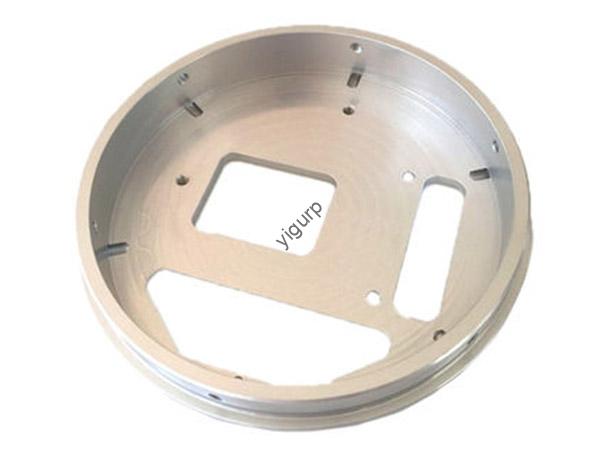
ST12 tool steel is a low-carbon, general-purpose steel designed for workability and cost-effectiveness. Unlike high-alloy tool steels that prioritize extreme hardness, ST12 focuses on being easy to machine, form, and weld. Its ultra-low carbon content (≤0.12%) gives it exceptional ductility and machinability, making it the ideal choice for low-to-medium stress tools, mechanical components, and parts that require complex shaping. This guide will cover its properties, real-world applications, and how it compares to other materials.
Introduction
For many tooling and component applications, extreme hardness is not the primary requirement. The need is often for a material that is easy to shape, quick to machine, and affordable. High-alloy tool steels like A2 or D2 can be overkill for these tasks. They are expensive and difficult to work with. ST12 was developed to fill this gap. Its simple chemistry provides a material that is soft and ductile in its initial state, allowing for rapid fabrication. For small-batch tools, prototype components, and light-duty parts, ST12 offers a practical and cost-effective solution.
What Are the Key Properties of ST12?
The performance of ST12 is defined by its low-carbon chemistry and the resulting mechanical properties, which prioritize workability over strength.
Chemical Composition
ST12 is a low-carbon steel with tightly controlled impurities to ensure consistent workability.
| Element | Content Range (%) | Its Role in Performance |
|---|---|---|
| Carbon (C) | ≤ 0.12 | Ultra-low for maximum formability and machinability. |
| Manganese (Mn) | ≤ 0.50 | Provides modest strength without compromising cold workability. |
| Silicon (Si) | ≤ 0.35 | Aids in deoxidation during steelmaking. |
| Sulfur (S) | ≤ 0.050 | Controlled to improve machinability while avoiding hot cracking. |
| Phosphorus (P) | ≤ 0.045 | Minimized to prevent cold brittleness. |
Mechanical and Physical Properties
These properties make ST12 exceptionally easy to work with.
| Property | Typical Value | Why It Matters |
|---|---|---|
| Tensile Strength | 300 – 400 MPa | Sufficient for low-stress tools and light-duty components. |
| Yield Strength | 180 – 260 MPa | Low enough for easy cold forming without cracking. |
| Hardness | 60 – 90 HB | Extremely soft in the annealed state, allowing for fast machining. |
| Elongation | 28 – 38% | Exceptional ductility. Can be deep-drawn and bent to tight radii. |
| Impact Toughness | 50 – 70 J/cm² | Excellent toughness, preventing breakage from minor impacts. |
| Density | 7.85 g/cm³ | Standard for steel, simplifying design calculations. |
- Machinability: This is a standout feature. Its softness and uniform grain structure allow for outstanding machinability. CNC machining, drilling, and tapping can be done at high speeds with standard tools, reducing machining time by up to 25% compared to alloy steels.
- Formability: It has exceptional formability. It can be bent, stamped, and deep-drawn into complex shapes without cracking.
- Weldability: It has excellent weldability. The low carbon content allows for welding with all common methods (MIG, TIG, arc) without preheating for thin sections.
Where Is ST12 Used in the Real World?
ST12 is used in applications where ease of fabrication and low cost are more important than extreme wear resistance or hardness.
Tool Making
This is a primary application. ST12 is used for small-batch and manual tools.
- Case Study: A small tool shop was using alloy steel to make manual paper punches. The material was expensive and slow to machine.
- They switched to ST12.
- Machining time was cut by 30% .
- Material costs dropped by 40% .
- They were able to double punch production and lower per-unit costs by $2.
- Common applications include manual punches, simple stamping dies for thin materials, hand shears, and low-speed cutting tools for soft materials like wood and plastic.
Mechanical Engineering and Automotive
ST12 is used for low-stress mechanical components and non-critical automotive parts.
- Shafts: Small shafts for light machinery, such as in household appliances and conveyor idlers, are easily machined from ST12.
- Gears: Low-torque gears for small devices, like toys or office equipment, can be produced quickly and cost-effectively.
- Automotive: Non-load-bearing parts like engine cover brackets, sensor housings, and lightweight transmission covers benefit from its formability and weldability.
Industrial Equipment
It is used for simple brackets, covers, and supports where strength requirements are low.
- Case Study: A startup manufacturer of plastic parts needed small-batch stamping dies (100-500 parts per die). Alloy steel dies cost $300 each and had a 2-week lead time.
- They switched to ST12 dies.
- The cost dropped to $120 per die, a 60% reduction.
- Production time was cut to 3 days, an 80% improvement.
- The ST12 dies lasted for over 500 stampings, meeting their small-batch needs perfectly.
How Is ST12 Manufactured?
The manufacturing process for ST12 is designed to maximize its workability. The steel is produced in a way that keeps it soft and ductile.
Steelmaking and Cold Working
- Steelmaking: It is typically made in a Basic Oxygen Furnace (BOF) or Electric Arc Furnace (EAF) , with strict control to keep carbon below 0.12% and impurities low.
- Hot Rolling: The steel is hot rolled to an intermediate thickness. It is then annealed (heated to 650-750°C and slowly cooled) to soften it.
- Cold Rolling: This is the key step. The annealed steel is cold rolled to its final thickness. This process improves the surface finish, achieves tight dimensional tolerances, and slightly increases strength while retaining excellent ductility.
- Cold Forming: The steel is then stamped, drawn, or bent into its final shape using high-speed presses and forming equipment.
Finishing and Surface Treatment
- Machining: ST12 is easily machined using standard high-speed steel (HSS) tools. CNC machining is fast and efficient.
- Heat Treatment: For most applications, no heat treatment is required. However, for parts that need a slightly harder surface, a low-temperature carburizing process can be used to increase surface hardness.
- Corrosion Protection: ST12 has low inherent corrosion resistance. For outdoor or humid environments, it requires a coating. Painting, powder coating, galvanizing, or electroplating are common solutions.
ST12 vs. Other Common Materials
Comparing ST12 to other materials helps clarify its role as a cost-effective, workable alternative.
| Material | Tensile Strength | Machinability | Formability | Relative Cost | Best For |
|---|---|---|---|---|---|
| ST12 | 300 – 400 MPa | Outstanding | Exceptional | Low | Small-batch tools, light-duty components |
| Low-Alloy Tool Steel (A2) | 1800 – 2000 MPa | Fair | Good | 3.5x Higher | Industrial stamping dies, high-wear tools |
| High-Speed Steel (M2) | 2200 – 2400 MPa | Fair | Poor | 8x Higher | High-speed cutting tools |
| Stainless Steel (420) | 500 – 700 MPa | Good | Good | 4x Higher | Corrosion-resistant tools |
| Aluminum (6061) | 310 MPa | Very Good | Very Good | 3x Higher | Lightweight, non-ferrous parts |
Key Takeaway: ST12 is the most affordable and easiest to work with among these materials. For small-batch production, it offers significant cost and time savings compared to alloy tool steels. While it lacks the hardness and wear resistance of A2 or M2, it is more than adequate for light-duty applications and is much easier to fabricate.
Conclusion
ST12 tool steel is a practical, versatile material designed for workability and value. Its outstanding machinability, exceptional formability, and low cost make it the ideal choice for small-batch tooling, light-duty mechanical components, and prototype parts. For applications where extreme hardness is not required, ST12 offers a cost-effective and efficient alternative to expensive, difficult-to-work alloy tool steels. It allows manufacturers to produce tools and parts quickly, with simple processes, and at a fraction of the cost.
FAQ About ST12 Tool Steel
Can ST12 be used for industrial stamping dies or high-speed presses?
No. ST12’s low tensile strength (300-400 MPa) and low hardness (60-90 HB) make it unsuitable for high-speed or heavy-duty industrial applications. For industrial stamping presses that run at high speeds and require long tool life, you should use high-alloy tool steels like A2 or D2.
How can I improve the corrosion resistance of ST12?
ST12 has low inherent corrosion resistance. To protect it, you must apply a surface coating. Painting or powder coating is suitable for indoor use. For outdoor or humid environments, hot-dip galvanizing or electroplating with zinc or nickel provides much better protection.
What is the main advantage of using ST12 over a low-alloy tool steel like A2?
The main advantages are cost and workability. ST12 is significantly cheaper and much easier to machine and form. For small-batch production or light-duty applications, ST12 can reduce material costs by 50% or more and cut machining time by up to 30%, making it a much more efficient choice.
Discuss Your Projects with Yigu Rapid Prototyping
At Yigu Rapid Prototyping, we specialize in providing practical, cost-effective materials for a wide range of applications. We have extensive experience working with ST12 and other low-carbon steels. We understand that for many projects, ease of fabrication and affordability are the top priorities. We supply ST12 in sheets, plates, bars, and custom shapes. Our team can also provide guidance on forming, machining, and surface treatment to ensure your project is a success. Whether you are producing small-batch stamping dies, fabricating light-duty machine parts, or prototyping new components, we are here to help. Contact us today to discuss your project requirements.