
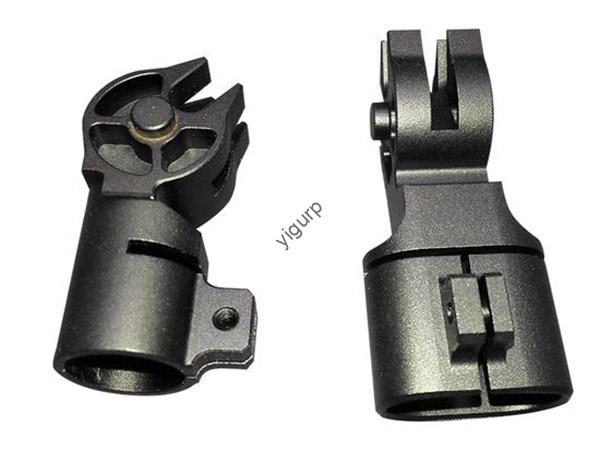
W1 water hardening tool steel is a simple, high-carbon steel that represents the most basic and affordable category of tool steel. Its defining characteristics are a high carbon content (0.80-1.00%) and a lack of significant alloying elements like chromium, vanadium, or molybdenum. This simplicity makes it inexpensive and easy to machine in its annealed state, but it also dictates its heat treatment: it must be quenched in water to achieve its high hardness. This rapid quenching process yields a hard surface (58-62 HRC) but comes with risks of warping and cracking. W1 is the material of choice for simple, low-volume, non-impact tools where cost is the primary concern, making it ideal for hobbyists, small workshops, and educational settings.
Introduction
For many tooling applications, the performance requirements are modest. A tool may only be used for a small number of parts, or it may cut only soft materials. In these cases, the high cost and complex heat treatment of premium alloy tool steels like D2 or M2 are simply not justified. W1 was developed to fill this need for a basic, functional, and affordable tool steel. Its chemistry is simple, its machinability is excellent, and its heat treatment, while requiring care, is straightforward. For the hobbyist making a set of woodworking chisels, the small shop producing low-volume stampings, or the educational institution teaching metalworking, W1 offers a practical and cost-effective way to create functional tools without over-investing in material.
What Are the Key Properties of W1?
The performance of W1 is defined by its simple, high-carbon chemistry and the properties achieved through its water quench heat treatment.
Chemical Composition
The high carbon content is the key to its hardness, with minimal alloying to keep costs low.
| Element | Content Range (%) | Its Role in Performance |
|---|---|---|
| Carbon (C) | 0.80 – 1.00 | The primary element. Provides high hardness after water quenching. |
| Manganese (Mn) | 0.10 – 0.40 | Improves workability and slightly boosts hardenability. |
| Silicon (Si) | 0.10 – 0.35 | Enhances strength and resistance to oxidation. |
| Sulfur (S) | ≤ 0.050 | Kept low to avoid brittleness. |
| Phosphorus (P) | ≤ 0.040 | Minimized to prevent cracking during water quenching. |
| Chromium (Cr) | ≤ 0.10 | A trace impurity, not intentionally added. |
Mechanical and Physical Properties
After water quenching and tempering, W1 achieves high hardness but with low toughness.
| Property | Typical Value | Why It Matters |
|---|---|---|
| Hardness | 58 – 62 HRC | Provides good wear resistance for cutting soft materials. |
| Tensile Strength | ≥ 1900 MPa | Withstands light cold working forces. |
| Yield Strength | ≥ 1700 MPa | Resists permanent deformation for simple tool geometries. |
| Elongation | ≤ 5% | Low ductility; the trade-off for high hardness. |
| Impact Toughness | ≥ 10 J | Poor; not suitable for tools that will experience impact. |
| Fatigue Strength | ~650 MPa | Adequate for low-volume use, not for high-cycle production. |
| Density | 7.85 g/cm³ | Standard for steel. |
- Water Hardening: W1 must be quenched in water to achieve its full hardness. This rapid cooling creates a hard martensitic surface but also introduces high thermal stress, leading to a high risk of warping and cracking.
- Machinability: In the annealed state (18-22 HRC), it has excellent machinability, allowing for easy shaping with standard tools.
- Corrosion Resistance: It has poor corrosion resistance and will rust easily. An oil coating is required for protection.
Where Is W1 Used in the Real World?
W1 is used in low-demand, low-cost applications where the risk of cracking is acceptable and the performance requirements are basic.
Basic Cutting Tools and Hand Tools
W1 is used for hand-held chisels, plane irons, hacksaw blades, and woodworking tools.
- Case Study: A U.S. woodworking shop used W1 for plane irons. The cost was 40% less than alloy steel alternatives, and the hardness was sufficient for working with softwoods.
Low-Volume Stamping Dies and Shearing Tools
W1 is used for simple dies for stamping thin metal sheets (up to 1mm) in low volumes (1,000-10,000 parts), and for shear blades for cutting soft metals like copper or aluminum.
Simple Punches for Hobby and Model Making
- Case Study: A German hobby model manufacturer needed small punches for creating 2 mm holes in plastic parts. Alloy steel punches were too expensive.
- They switched to W1 punches .
- Punch cost dropped by 60% (from $25 to $10 per punch).
- The punches lasted 3 months (1,500 holes), which was sufficient for their production needs.
How Is W1 Manufactured?
The manufacturing process for W1 is simple and accessible, reflecting its role as a budget-friendly tool steel.
Steelmaking and Forming
- Steelmaking: It is made in a basic electric furnace with minimal alloying.
- Hot Rolling: The steel is hot rolled into bars and plates.
- Annealing: It is annealed to 18-22 HRC, making it very easy to machine.
Heat Treatment
Heat treatment is simple but requires care to avoid cracking.
- Quenching: The tool is heated to 780-820°C (until red-hot) and then rapidly cooled in room-temperature water. This hardens the surface to 58-62 HRC.
- Critical Note: Quenching must be done quickly and evenly to avoid uneven hardening. The risk of warping and cracking is high.
- Tempering: To reduce brittleness, the quenched tool is immediately reheated to 150-200°C and then air-cooled.
Finishing
- Machining: Most shaping is done in the annealed state.
- Grinding: Cutting edges are sharpened after heat treatment.
- Corrosion Protection: A light oil coating is applied to prevent rust.
W1 vs. Other Budget-Friendly Tool Materials
Comparing W1 to other materials helps clarify its place as the most affordable option for simple tools.
| Material | Hardness | Toughness | Relative Cost | Best For |
|---|---|---|---|---|
| W1 | 58 – 62 HRC | Poor | Lowest | Hobby tools, low-volume stamping, simple cutting tools |
| L6 Oil Hardening | 55 – 58 HRC | Moderate | 80% Higher | Mid-volume tools, less warping |
| Carbon Steel (1095) | 55 – 60 HRC | Poor | 20% Lower | Ultra-low-cost tools, even less tough |
| High-Speed Steel (M2) | 60 – 65 HRC | Moderate | 5x Higher | High-speed cutting, high-volume use |
Key Takeaway: W1 is the cheapest option for simple cold working tools. It is less durable than alloy steels but is far more affordable, making it the ideal choice for hobbyists, small shops, or low-volume production where the high performance of premium tool steels is not required.
Conclusion
W1 water hardening tool steel is the most basic and affordable member of the tool steel family. Its simple, high-carbon composition provides the hardness needed for simple cutting and forming tasks, while its low cost and excellent machinability make it accessible to small shops, hobbyists, and educational institutions. However, its low toughness and high risk of warping during water quenching mean it is not suitable for impact tools or high-volume production. For its intended niche—simple, low-cost, low-volume tools—W1 offers a practical and cost-effective solution.
FAQ About W1 Water Hardening Tool Steel
Can W1 be used for high-volume production (100,000+ parts)?
No. W1’s low fatigue strength and poor toughness make it unsuitable for high-volume production. It will wear out quickly or crack under repeated use. For high-volume stamping or cutting, a more durable oil-hardening or high-speed steel like L6 or M2 is required.
How can I reduce warping when quenching W1 in water?
To minimize warping: (1) Use simple, symmetrical tool geometries. Complex shapes are more prone to warping. (2) Quench evenly by submerging the entire tool in water at once. (3) Avoid overheating; heat only to the recommended 780-820°C range. (4) Temper immediately after quenching to relieve internal stresses.
Is W1 suitable for cutting hard metals like stainless steel?
No. W1’s wear resistance is only sufficient for soft materials like mild steel, aluminum, brass, wood, and plastic. Cutting hard metals (over 25 HRC) will quickly dull W1 tools. For hard metals, use high-speed steel (HSS) or carbide tools.
Discuss Your Projects with Yigu Rapid Prototyping
At Yigu Rapid Prototyping, we understand that not every project requires premium alloy tool steels. For simple, low-volume tooling where cost is the primary concern, we recommend W1. We supply W1 in bars and plates, and we can provide guidance on its simple heat treatment process to help you avoid common issues like warping and cracking. Whether you are a hobbyist making custom tools, a small shop producing low-volume stampings, or an educational institution teaching metalworking, we are here to help. Contact us today to discuss your project requirements.