
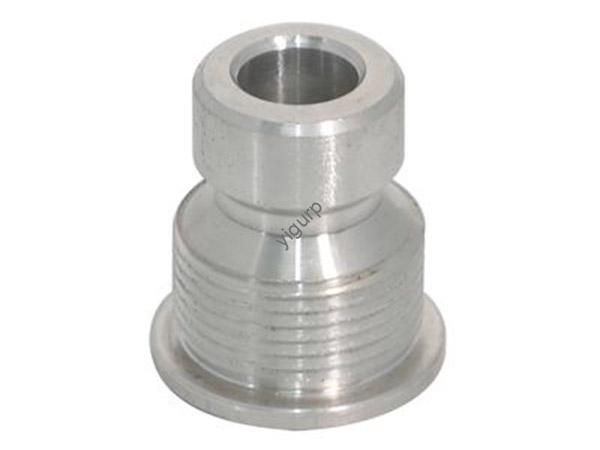
If your projects demand materials that are strong, durable, and reliable—whether for aerospace components, military vehicles, or critical infrastructure—Eglin structural steel is a top-tier choice. It is engineered to solve key challenges like meeting strict strength standards and withstanding harsh conditions. This guide will break down its core features, real-world uses, and how it compares to other materials, helping you decide if it is the right fit for your most demanding applications.
What Makes Eglin Structural Steel a High-Performance Material?
Understanding the properties of Eglin structural steel is key to knowing why it works for tough applications. Its unique chemistry and balanced mechanical traits give it the strength and durability required for safety-critical components.
Chemical Composition
The carefully controlled mix of elements in Eglin steel gives it its strength and durability. The balance of carbon with alloying elements like chromium, molybdenum, and nickel is key.
| Element | Typical Range | Key Role |
|---|---|---|
| Carbon (C) | 0.15 – 0.25% | Controls hardness and strength; kept in a range that balances strength with weldability. |
| Manganese (Mn) | 1.0 – 1.6% | Boosts tensile strength and ductility. |
| Chromium (Cr) | Small addition | Enhances corrosion resistance and hardenability. |
| Molybdenum (Mo) | Small addition | Improves high-temperature strength and toughness. |
| Nickel (Ni) | Small addition | Enhances toughness, especially in low temperatures. |
| Phosphorus & Sulfur | ≤ 0.035% each | Kept very low to prevent brittleness and cracking. |
Mechanical Properties for Critical Applications
Eglin steel excels in mechanical performance, making it ideal for load-bearing and safety-critical parts. Its combination of high strength and good toughness is its defining feature.
| Property | Typical Value | Why It Matters for Your Project |
|---|---|---|
| Tensile Strength | 690 – 830 MPa | Far higher than standard carbon steel, providing a high safety margin for structural components. |
| Yield Strength | 550 – 690 MPa | Resists permanent deformation under stress, critical for landing gear and support columns. |
| Elongation | 15 – 20% | Offers enough ductility to stretch without breaking, useful for forming complex shapes. |
| Impact Toughness | ≥ 40 J at -40°C | Remains tough even in freezing conditions, preventing brittle failure in cold climates. |
| Hardness | 180 – 220 HB | Balances strength with good machinability for fabrication. |
| Fatigue Resistance | Endures 10⁷ stress cycles | Withstands repeated loading without failure, essential for moving parts like engine components. |
Where Is Eglin Structural Steel Used?
Eglin structural steel’s versatility makes it a go-to for industries where performance and reliability are non-negotiable. Its proven track record in demanding applications speaks to its capabilities.
Aerospace and Defense
These industries demand materials that are strong, lightweight, and reliable under extreme conditions.
- Aircraft Landing Gear: Boeing needed a material for the 787 Dreamliner’s landing gear that was strong enough to support the aircraft (250,000+ lbs) but light to improve fuel efficiency. Eglin structural steel was the solution. Its high tensile strength (750 MPa) and low weight reduced the landing gear’s weight by 15% compared to traditional steel. The result was 15% better fuel efficiency and a landing gear with a 20-year lifespan.
- Military Armor: The U.S. Army needed armor for the M1 Abrams tank that could stop armor-piercing rounds while keeping the tank lightweight. Eglin steel armor plating, with its mix of chromium and molybdenum, creates a hard surface that deflects rounds while maintaining the toughness to prevent cracking. The armor has never failed in combat.
Infrastructure and Construction
For long-lasting, safe structures, Eglin steel provides the necessary strength and durability.
- Coastal Bridges: The Florida Bay Bridge is exposed to saltwater, which corrodes most steels. Engineers chose galvanized Eglin structural steel. The zinc coating prevents rust, and Eglin’s natural corrosion resistance adds extra protection. After 10 years, the bridge shows no signs of corrosion, and maintenance costs are 30% lower than expected.
- High-Rise Buildings: Used in support columns for its ability to handle heavy loads without deformation.
Automotive and Industrial Manufacturing
In automotive and heavy machinery, Eglin steel improves safety and performance.
- High-Strength Parts: Used for frame rails and door beams to reduce vehicle weight while boosting crash safety.
- Heavy Machinery: Excavator buckets and bulldozer blades benefit from its resistance to impact and wear.
How Is Eglin Structural Steel Manufactured?
Creating Eglin structural steel requires precise steps to ensure it meets strict standards for performance and consistency.
Primary Production and Forming
The process begins with making the steel and then shaping it into usable forms.
- Steelmaking: The steel is produced in a Basic Oxygen Furnace (BOF) for large-scale production, or an Electric Arc Furnace (EAF) for smaller batches or recycled material.
- Rolling and Forging: Hot rolling creates plates, bars, and beams. For complex, high-strength parts like engine components, forging is used to align the grain structure and improve strength.
- Heat Treatment: Quenching and tempering is a key step. The steel is heated to high temperatures, rapidly cooled (quenched) to harden it, and then reheated (tempered) to reduce brittleness while maintaining high strength.
Surface Treatment and Quality Control
Protective treatments and rigorous testing ensure long-term performance.
- Galvanizing and Painting: For outdoor use, a zinc coating (galvanizing) or protective paint is applied to resist corrosion.
- Quality Testing: Every batch undergoes strict testing, including tensile tests (to measure strength), impact tests (to measure toughness), and non-destructive testing (NDT) using X-rays or ultrasound to find hidden defects.
Eglin Structural Steel vs. Other Materials
Choosing the right material involves balancing strength, weight, corrosion resistance, and cost. This comparison shows where Eglin steel excels.
| Material | Tensile Strength (MPa) | Relative Weight | Corrosion Resistance | Relative Cost | Best Application |
|---|---|---|---|---|---|
| Eglin Steel | 690 – 830 | Medium | Good (with treatment) | Medium | Landing gear, armor, bridges, heavy machinery |
| Carbon Steel | 400 – 550 | Medium | Poor | Low | Basic structures like fences and brackets |
| Stainless Steel | 500 – 700 | Medium | Excellent | High | Food processing, chemical equipment |
| Aluminum Alloy | 300 – 500 | Low | Good | Medium | Aircraft bodies, lightweight panels |
| Titanium Alloy | 800 – 1000 | Low | Excellent | Very High | High-performance aerospace components |
Conclusion
Eglin structural steel is a high-performance material engineered for the most demanding applications across aerospace, defense, infrastructure, and heavy industry. Its carefully balanced composition delivers a tensile strength of 690–830 MPa and a yield strength of 550–690 MPa, far exceeding standard carbon steel, while maintaining critical toughness (≥40 J at -40°C) and good weldability. Real-world case studies—from the Boeing 787’s lighter, stronger landing gear to the Florida Bay Bridge’s corrosion-resistant structure—demonstrate its proven ability to solve complex engineering challenges. While it requires protective coatings for outdoor use and comes at a higher cost than basic steel, its combination of strength, durability, and cost-effectiveness makes it the reliable, practical choice for any project where performance, safety, and longevity are paramount.
FAQ About Eglin Structural Steel
Is Eglin structural steel suitable for outdoor use?
Yes, it is well-suited for outdoor applications when properly protected. With surface treatments like galvanizing (zinc coating) or high-performance painting, Eglin steel resists rust and corrosion effectively, making it ideal for outdoor projects such as bridges, offshore structures, and military vehicles exposed to the elements.
How does Eglin steel compare to stainless steel in cost?
Eglin steel is typically 30–40% less expensive than stainless steel. While stainless steel has superior natural corrosion resistance, Eglin steel with a galvanized coating offers similar protection for outdoor applications at a significantly lower material cost. For structural applications where extreme corrosion resistance is not the primary requirement, Eglin steel provides a much better value.
Can Eglin structural steel be welded easily?
Yes, it has good weldability. Eglin steel can be welded using standard methods like MIG, TIG, and arc welding without significant loss of strength in the heat-affected zone, provided proper procedures are followed. This is a key advantage over some higher-strength alloys that require complex pre- and post-weld heat treatments.
Is Eglin structural steel recyclable?
Yes, it is 100% recyclable, just like other steels. This makes it a sustainable material choice. Recycling Eglin steel uses approximately 75% less energy compared to producing new steel from iron ore, aligning with modern goals for reducing the environmental impact of industrial and infrastructure projects.
Discuss Your Projects with Yigu Rapid Prototyping
Selecting the right high-performance material is critical for the success of demanding projects. At Yigu Rapid Prototyping, we specialize in providing Eglin structural steel for aerospace, defense, and infrastructure applications. We understand the stringent requirements for strength, toughness, and reliability that these industries demand. Our team can provide the material, technical guidance on fabrication and welding, and recommend the appropriate surface treatments to ensure your components deliver long-lasting, safe performance. Contact us today to discuss your project requirements.