
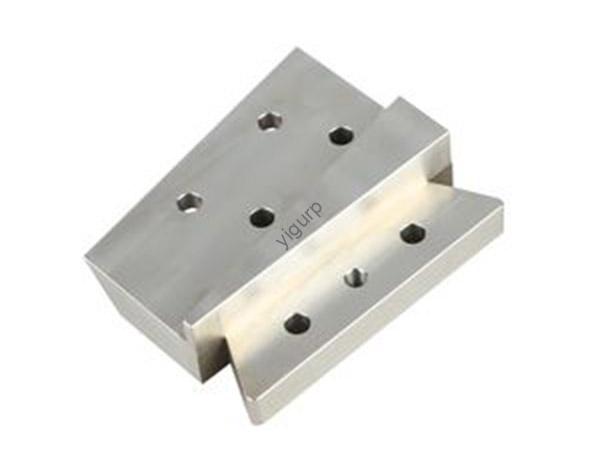
When your project involves kitchen appliances, medical tools, or architectural elements—where corrosion resistance, hygiene, and appearance matter—304 stainless steel is the industry standard. Its unique combination of strength, durability, and aesthetics makes it one of the most widely used stainless steel grades globally. In this guide, I will walk you through its properties, applications, and how to work with it based on real project experience.
Introduction
304 stainless steel is an austenitic chromium-nickel alloy that forms the foundation of the stainless steel family. Its composition of 18–20% chromium and 8–10.5% nickel provides excellent corrosion resistance through a passive chromium oxide layer that forms naturally on the surface. Unlike carbon steel, which rusts when exposed to moisture, 304 stainless steel maintains its appearance and integrity in a wide range of environments. The low carbon content (≤ 0.08%) ensures good weldability and prevents carbide precipitation during welding. Over the years at Yigu Rapid Prototyping, I have worked with food processing equipment manufacturers, medical device makers, and architectural fabricators who choose 304 stainless steel for its reliability, ease of fabrication, and attractive finish. Its combination of properties makes it the most versatile and widely used stainless steel grade.
What Makes 304 Stainless Steel the Industry Standard?
304 stainless steel achieves its properties through its austenitic structure and the passive chromium oxide layer that forms on its surface. The nickel content stabilizes the austenitic structure and provides good formability.
The Chemistry Behind the Performance
The chemical composition of 304 stainless steel is defined by standards such as ASTM A240. The chromium and nickel content are the keys to its corrosion resistance and formability.
| Element | Content Range (%) | Why It Matters |
|---|---|---|
| Chromium (Cr) | 18.0 – 20.0 | Forms the passive oxide layer that provides corrosion resistance. |
| Nickel (Ni) | 8.0 – 10.5 | Stabilizes the austenitic structure. Provides good ductility and formability. |
| Carbon (C) | ≤ 0.08 | Low carbon ensures good weldability. Prevents carbide precipitation. |
| Manganese (Mn) | ≤ 2.0 | Aids in steelmaking and provides some strength. |
| Silicon (Si) | ≤ 1.0 | Acts as a deoxidizer. |
| Phosphorus (P) / Sulfur (S) | ≤ 0.045 / ≤ 0.030 | Kept low to maintain corrosion resistance and toughness. |
Key Insight: The chromium content of 18–20% creates a passive oxide layer that is only a few atoms thick but extremely protective. If the surface is scratched, the layer immediately reforms in the presence of oxygen. This self-healing property is what gives stainless steel its corrosion resistance.
Mechanical Properties That Matter
304 stainless steel offers good mechanical properties in the annealed condition, with excellent ductility for forming operations.
| Property | Typical Value | Significance |
|---|---|---|
| Tensile Strength | ≥ 515 MPa | Provides adequate strength for structural components, railings, and equipment. |
| Yield Strength | ≥ 205 MPa | Resists permanent deformation under load. |
| Elongation | ≥ 40% | High ductility allows forming, bending, and deep drawing without cracking. |
| Hardness | ≤ 92 HRB (≤ 187 HB) | Soft enough for machining and forming in the annealed condition. |
| Corrosion Resistance | Excellent | Resists water, mild acids, and atmospheric corrosion. |
| High-Temperature Resistance | Up to 870°C | Maintains strength at elevated temperatures. Suitable for ovens and exhaust systems. |
Case Study: A dairy plant in Wisconsin uses 304 stainless steel tanks for milk storage. The material’s non-porous surface won’t trap bacteria, and it resists acidic dairy products. The tanks are easy to clean and meet FDA standards. After 10 years of daily use, they show no signs of corrosion or degradation.
Where Does 304 Stainless Steel Deliver the Most Value?
This material is specified for applications where corrosion resistance, hygiene, and appearance are important.
Food and Beverage Industry
304 stainless steel is the standard material for food processing and handling equipment.
- Food processing equipment: Mixers, conveyors, and storage tanks. The non-porous surface prevents bacterial growth.
- Kitchen appliances: Refrigerator doors, oven interiors, dishwashers, and sinks.
- Dairy equipment: Milk tanks, pasteurizers, and piping systems.
Case Study: A restaurant installed 304 stainless steel sinks and countertops. After five years of daily use including scrubbing and exposure to hot water and cleaning chemicals, the surfaces showed no rust, pitting, or staining. The material’s corrosion resistance eliminated the need for replacement or refinishing.
Medical and Pharmaceutical
304 stainless steel is used in medical and pharmaceutical applications where hygiene and non-magnetic properties are important.
- Surgical instruments: Scalpels, forceps, and clamps.
- Hospital equipment: Bed frames, carts, and work surfaces.
- Pharmaceutical machinery: Drug mixing tanks, pill presses, and storage vessels.
Key Property: 304 stainless steel is non-magnetic in the annealed condition, making it safe for use in MRI rooms and other medical environments where magnetic interference must be avoided.
Construction and Architecture
304 stainless steel is used for architectural elements that require both durability and aesthetic appeal.
- Building facades: Exterior cladding that resists rain and atmospheric corrosion.
- Railings and handrails: Interior and exterior railings that maintain their appearance.
- Structural components: Supports, brackets, and fasteners.
Case Study: The exterior of a museum in Berlin uses 304 stainless steel panels. After 10 years of exposure to urban pollution and weather, the panels have remained shiny and corrosion-free, requiring only occasional cleaning to maintain their appearance.
Automotive and Industrial
304 stainless steel is used in automotive and industrial applications requiring corrosion resistance and high-temperature strength.
- Exhaust systems: Components that resist heat and road salt.
- Industrial machinery: Valves, pipes, and pumps that handle water, oil, and mild chemicals.
- Trim and hardware: Decorative and functional components.
How Is 304 Stainless Steel Manufactured and Processed?
Producing 304 stainless steel requires precise control over chemistry and processing to achieve its corrosion resistance and mechanical properties.
Steelmaking
304 stainless steel is typically produced in an electric arc furnace (EAF) followed by argon oxygen decarburization (AOD) to control carbon content and remove impurities. The steel is continuously cast into slabs, billets, or blooms.
Rolling and Forming
- Hot rolling: Slabs are heated to 1,100–1,200°C and rolled into plates and sheets.
- Cold rolling: For thin sheets requiring smooth surfaces and tight tolerances, cold rolling is used.
Heat Treatment
Annealing is the primary heat treatment for 304 stainless steel.
- Annealing: Heat to 1,010–1,120°C, then rapidly cool (water quench or air cool). This softens the steel, removes internal stress, and restores the non-magnetic austenitic structure.
Fabrication
304 stainless steel is designed for fabrication with standard equipment.
- Welding: TIG welding is preferred for clean, strong welds. After welding, passivation is recommended to restore the passive layer in the heat-affected zone.
- Cutting: Laser cutting for precision shapes, plasma cutting for thicker sheets.
- Forming: High ductility allows bending, stamping, and deep drawing.
Surface Treatment
Surface treatments enhance appearance and performance.
- Mechanical polishing: Creates a mirror finish for appliances and decorative items.
- Electro-polishing: Produces an ultra-smooth, hygienic surface for medical tools and food equipment.
- Passivation: An acid bath strengthens the passive oxide layer, boosting corrosion resistance.
- Sandblasting: Creates a matte, non-slip finish for flooring and industrial steps.
How Does 304 Stainless Steel Compare to Other Materials?
Understanding the trade-offs between 304 stainless steel and alternative materials helps in making an informed selection.
| Material | Corrosion Resistance | Relative Cost | Best For |
|---|---|---|---|
| 304 Stainless Steel | Excellent | 100% | Food processing, medical, architectural, general use |
| 304L Stainless Steel | Excellent (better weldability) | 105% | Large welded components such as tanks and vessels |
| 316 Stainless Steel | Superior (chloride resistance) | 140% | Marine environments, coastal applications |
| 430 Stainless Steel | Good | 60% | Decorative applications, mild environments |
| Carbon Steel | Poor | 20% | Non-corrosive indoor applications |
| Aluminum | Good | 60% | Lightweight applications |
Key Insights:
- Compared to 316 stainless steel, 304 offers similar corrosion resistance in most environments at lower cost. For marine and coastal applications, 316 is recommended.
- Compared to 304L, 304 offers slightly higher strength but is more susceptible to sensitization during welding. For large welded components, 304L is preferred.
- Compared to carbon steel, 304 offers far superior corrosion resistance at higher cost. For non-corrosive indoor applications, carbon steel may be adequate.
What About Corrosion Resistance?
304 stainless steel resists corrosion in most atmospheric environments, fresh water, and mild acids. It is not recommended for:
- Saltwater immersion: Pitting and crevice corrosion can occur. Use 316 stainless steel for marine applications.
- Strong acids: Hydrochloric and sulfuric acids can attack 304 stainless steel.
- Chloride environments: High chloride concentrations can cause pitting.
Conclusion
304 stainless steel is the most versatile and widely used stainless steel grade for good reason. Its combination of excellent corrosion resistance, good mechanical properties, high ductility, and attractive appearance makes it suitable for a vast range of applications. For food processing equipment, medical devices, architectural elements, and general industrial use, 304 stainless steel delivers reliable performance at a reasonable cost. When you need a stainless steel that balances corrosion resistance, formability, and cost, 304 stainless steel is a proven, trusted choice.
FAQ About 304 Stainless Steel
Is 304 stainless steel rust-proof?
No, but it is highly rust-resistant. It will not rust in most indoor and outdoor environments, including exposure to water and rain. However, it can pit in highly salty environments such as coastal areas or if exposed to strong acids. Regular cleaning with mild soap helps maintain its passive layer.
Can 304 stainless steel be welded?
Yes. TIG welding is best for clean, strong welds. After welding, the heat-affected zone requires passivation (an acid bath) to restore the passive oxide layer; otherwise, the weld area may be susceptible to corrosion. Avoid MIG welding for thin sheets due to the risk of burn-through.
What is the difference between 304 and 304L stainless steel?
304L has a lower carbon content (≤ 0.03% vs. ≤ 0.08% for 304). This makes 304L more resistant to sensitization (carbide precipitation) during welding, which can lead to intergranular corrosion. For large welded components such as tanks and pressure vessels, 304L is preferred. For non-welded items such as sinks and appliances, 304 is sufficient and less expensive.
How do you clean 304 stainless steel?
Clean with mild soap, warm water, and a soft cloth. Avoid abrasive cleaners and steel wool, which can scratch the surface. For stubborn stains, stainless steel cleaners or a mixture of vinegar and water can be used. Wipe dry to prevent water spots.
Discuss Your Projects with Yigu Rapid Prototyping
Selecting the right stainless steel for your application requires balancing corrosion resistance, formability, appearance, and cost. At Yigu Rapid Prototyping, we help food processors, medical device manufacturers, and architectural fabricators navigate these decisions with practical, experience-based guidance. Whether you need 304 stainless steel for kitchen equipment, medical tools, or building facades, we can provide material sourcing, custom fabrication, and surface treatment. Contact us to discuss your project requirements and find the right solution.