
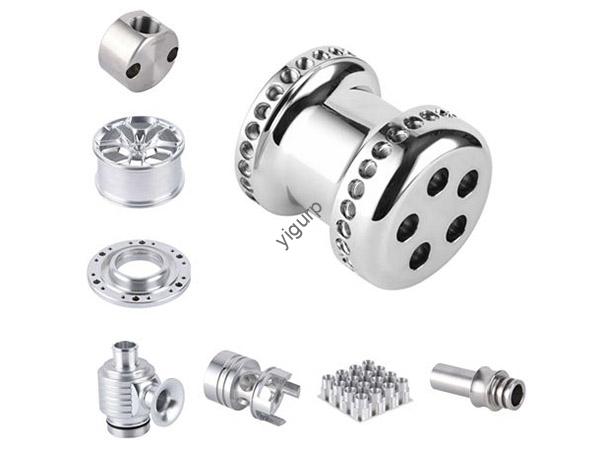
UNS N10665 Hastelloy B2 is a nickel-molybdenum alloy specifically engineered for exceptional resistance to strong reducing acids, particularly hydrochloric acid. With a molybdenum content of 26-30% and an ultra-low carbon content of ≤0.01%, it is designed to withstand the most aggressive corrosive environments where standard stainless steels and even many high-performance alloys fail. Unlike austenitic stainless steels, which suffer from pitting and stress corrosion cracking in chloride environments, Hastelloy B2 maintains its integrity in pure hydrochloric, sulfuric, and phosphoric acids at elevated temperatures. For industries such as chemical processing, oil and gas, and pharmaceuticals, where equipment must reliably contain and process highly corrosive substances, Hastelloy B2 offers a proven and durable solution.
Introduction
In chemical processing and other industries, the handling of strong reducing acids like hydrochloric acid presents a significant challenge. Standard stainless steels corrode rapidly, leading to equipment failure, leaks, and costly downtime. Even higher-grade alloys can struggle in these environments. Hastelloy B2 was developed to address this specific challenge. Its high molybdenum content provides exceptional resistance to reducing acids, while its ultra-low carbon content prevents the formation of grain-boundary carbides that can lead to intergranular corrosion. For equipment such as reactors, storage tanks, and piping systems that must safely contain concentrated acids at elevated temperatures, Hastelloy B2 offers an unmatched level of corrosion resistance and reliability.
What Are the Key Properties of Hastelloy B2?
The performance of Hastelloy B2 is defined by its unique chemical composition and the mechanical properties that result from its specialized metallurgy.
Chemical Composition
The high molybdenum content and ultra-low carbon are the defining features of this alloy.
| Element | Content Range (%) | Its Role in Performance |
|---|---|---|
| Nickel (Ni) | 65 – 70 | Provides the base matrix, offering ductility and resistance to stress cracking. |
| Molybdenum (Mo) | 26 – 30 | The key element. Provides exceptional resistance to reducing acids like hydrochloric acid. |
| Iron (Fe) | 2 – 6 | Adds structural strength without compromising corrosion resistance. |
| Carbon (C) | ≤ 0.01 | Ultra-low to prevent intergranular corrosion by avoiding carbide precipitation. |
| Manganese (Mn) | ≤ 1.0 | Aids in manufacturing and welding. |
| Silicon (Si) | ≤ 0.1 | Reduces oxidation at high temperatures. |
| Sulfur (S) | ≤ 0.03 | Kept low to maintain corrosion resistance. |
Mechanical and Physical Properties
After proper heat treatment (annealing), Hastelloy B2 achieves a good balance of strength and ductility.
| Property | Typical Value | Why It Matters |
|---|---|---|
| Tensile Strength | ≥ 690 MPa | Provides high strength for pressure-containing equipment. |
| Yield Strength | ≥ 310 MPa | Resists permanent deformation under load. |
| Elongation | ≥ 40% | Excellent ductility, allowing for forming and fabrication. |
| Hardness | ≤ 220 HB | Balances strength with good formability. |
| Density | 9.2 g/cm³ | Higher than stainless steel, reflecting its high alloy content. |
| Melting Point | 1330 – 1380°C | Withstands high-temperature processing and service. |
- Corrosion Resistance: This is the standout feature. Hastelloy B2 offers outstanding resistance to pure hydrochloric acid at all concentrations up to the boiling point. It also resists sulfuric, phosphoric, and other reducing acids.
- Weldability: It has good weldability with proper techniques. Gas Tungsten Arc Welding (GTAW) with matching filler metal (ERNiMo-7) is recommended. Thorough cleaning before welding is essential to avoid contamination.
- Magnetic Properties: It is non-magnetic, which is important for applications where magnetic interference must be avoided.
Where Is Hastelloy B2 Used in the Real World?
Hastelloy B2 is used in the most demanding corrosive environments, primarily in the chemical processing and related industries.
Chemical Processing Equipment
This is the primary application. Hastelloy B2 is used for reactors, storage tanks, heat exchangers, and piping systems that handle strong acids.
- Case Study: A chemical company in Brazil needed a reactor to produce PVC (polyvinyl chloride) using 31% hydrochloric acid at 80°C .
- Their old reactor, made of 316 stainless steel, failed after 1 year due to severe corrosion.
- They switched to a Hastelloy B2 reactor .
- The new reactor has operated for 6 years with no signs of corrosion .
- Maintenance costs dropped by 70% , and production efficiency improved by 10% .
Oil and Gas Industry
Hastelloy B2 is used for tools and equipment in “acidizing” operations, where hydrochloric acid is injected into wells to stimulate production.
- Case Study: An oil refinery in Texas used Hastelloy B2 for acidizing tools. The alloy’s resistance to corrosion cut tool replacement costs by 40% .
Acid Handling Systems and Pulp & Paper
It is used for pumps, valves, and piping in systems that handle sulfuric and other acids, as well as in digesters in pulp mills.
- Case Study: A water treatment plant in Germany used Hastelloy B2 for pumps moving sulfuric acid. The pumps lasted 2 times longer than those made of stainless steel.
How Is Hastelloy B2 Manufactured?
The manufacturing process for Hastelloy B2 is designed to produce a clean, uniform alloy with the ultra-low carbon content required for corrosion resistance.
Steelmaking and Forming
- Steelmaking: It is made in an Electric Arc Furnace (EAF) with precise control of the molybdenum content and ultra-low carbon levels.
- Forging: It is hot forged at 1040-1170°C to shape components like pump impellers and valve bodies.
- Hot Rolling: It is hot rolled into plates and bars.
Heat Treatment and Fabrication
- Annealing: The alloy is annealed (heated to 1065-1120°C and rapidly cooled) to soften it for forming and to restore its corrosion resistance after welding.
- Welding: Gas Tungsten Arc Welding (GTAW) is the preferred method. Matching filler metal ERNiMo-7 must be used to maintain corrosion resistance.
- Machining: It is machined using carbide tools with coolants. The material can work-harden, so proper cutting speeds are important.
Hastelloy B2 vs. Other Corrosion-Resistant Materials
Comparing Hastelloy B2 to other materials helps clarify its unique position for reducing acid service.
| Material | Corrosion Resistance (HCl) | Tensile Strength | Relative Cost | Best For |
|---|---|---|---|---|
| Hastelloy B2 | Excellent (31% HCl) | ≥ 690 MPa | High | Hydrochloric acid equipment, strong reducing acids |
| Stainless Steel 316 | Poor (corrodes rapidly) | 515 MPa | Low | Mild corrosive environments |
| Hastelloy C22 | Good (mixed acids) | 690 MPa | Similar | Oxidizing and reducing environments |
| Titanium (Ti-6Al-4V) | Good (dilute HCl) | 860 MPa | Very High | High-strength, moderate acid service |
| Monel 400 | Poor (HCl attacks it) | 550 MPa | Medium | Seawater and mild acid service |
Key Takeaway: Hastelloy B2 is the premier material for pure hydrochloric acid and other strong reducing acids. It significantly outperforms stainless steel and is more cost-effective than titanium for these specific environments. For applications involving oxidizing acids or mixed acids, Hastelloy C22 may be a better choice.
Conclusion
UNS N10665 Hastelloy B2 is a high-performance nickel-molybdenum alloy engineered for the most demanding reducing acid environments. Its exceptional resistance to hydrochloric acid and other strong reducing acids, combined with good mechanical properties and weldability, makes it the material of choice for critical chemical processing equipment. For applications where standard stainless steels and even many high-performance alloys fail, Hastelloy B2 provides the reliability and long service life required for safe and efficient operation.
FAQ About UNS N10665 Hastelloy B2
Can Hastelloy B2 handle concentrated hydrochloric acid?
Yes. It is specifically designed for this purpose. Hastelloy B2 provides excellent resistance to pure hydrochloric acid at all concentrations up to the boiling point. It can handle 31% concentrated hydrochloric acid at elevated temperatures (up to 80°C) without significant corrosion, far outperforming stainless steel and many other alloys.
Is Hastelloy B2 difficult to weld?
No, but it requires the right technique. Gas Tungsten Arc Welding (GTAW) with matching filler metal ERNiMo-7 is recommended. The metal must be thoroughly cleaned to remove any oil or contaminants before welding. Proper procedures ensure strong, corrosion-resistant welds.
What is the typical lifespan of Hastelloy B2 parts in chemical processing?
In harsh acid environments, such as handling concentrated hydrochloric acid, Hastelloy B2 parts typically last 5-10 years . This is 5-10 times longer than stainless steel parts, which often fail in 1-2 years under the same conditions. Proper maintenance, including correct heat treatment, can extend service life even further.
Discuss Your Projects with Yigu Rapid Prototyping
At Yigu Rapid Prototyping, we have extensive experience working with Hastelloy B2 and other high-performance corrosion-resistant alloys. We understand that for chemical processing and other demanding applications, material selection is critical to safety and long-term reliability. We supply Hastelloy B2 in plates, bars, and custom-machined components, with full mill test certificates. Our team can provide guidance on welding procedures, heat treatment, and fabrication techniques to ensure your equipment achieves the maximum possible service life. Whether you are building a hydrochloric acid reactor, an acid handling system, or chemical processing equipment, we are here to help. Contact us today to discuss your project requirements.