
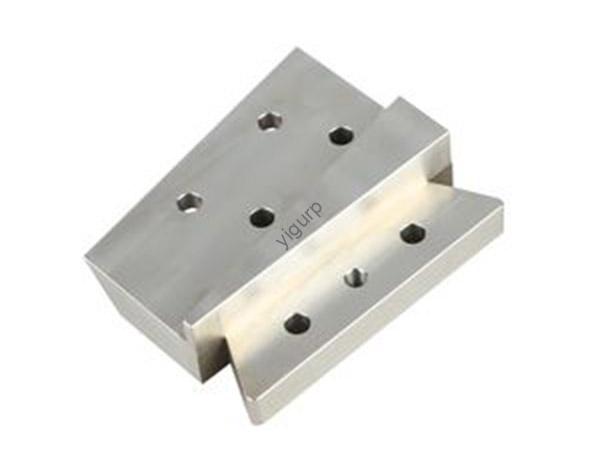
DP1000 dual phase steel is a high-strength, low-alloy steel with a unique microstructure consisting of a soft ferrite matrix with islands of hard martensite. This dual-phase structure gives it a minimum tensile strength of 1000 MPa while maintaining excellent formability. Unlike traditional high-strength steels that become brittle as strength increases, DP1000 can be stamped into complex shapes like automotive door rings and B-pillars without cracking. This combination of high strength and good ductility makes it the material of choice for lightweighting applications, particularly in the automotive industry, where reducing weight is critical for fuel efficiency and crash safety.
Introduction
For decades, engineers faced a difficult trade-off. High-strength steels were strong but difficult to form into complex shapes. Formable steels were easy to work with but lacked the strength for critical safety components. This forced designers to use thicker, heavier sections to achieve the required strength, adding weight and reducing efficiency. DP1000 was developed to solve this problem. Through a specialized heat treatment process called intercritical annealing, it achieves a microstructure that combines a soft, ductile phase with a hard, strong phase. This allows it to be formed into complex shapes while providing the high strength needed for crash protection. For the automotive industry, this material is a key enabler of lighter, safer, and more fuel-efficient vehicles.
What Are the Key Properties of DP1000?
The performance of DP1000 is defined by its unique dual-phase microstructure and the mechanical properties that result from it.
Chemical Composition
The chemistry of DP1000 is tailored to create the dual-phase structure and enhance performance.
| Element | Content Range (%) | Its Role in Performance |
|---|---|---|
| Carbon (C) | 0.10 – 0.20 | Promotes martensite formation while keeping formability intact. |
| Manganese (Mn) | 1.50 – 2.50 | Helps form the ferrite-martensite mix during cooling. |
| Silicon (Si) | 0.50 – 1.00 | Strengthens the ferrite phase and prevents carbide formation. |
| Phosphorus (P) | ≤ 0.025 | Minimized to avoid brittleness. |
| Sulfur (S) | ≤ 0.010 | Kept ultra-low for better weldability and toughness. |
| Molybdenum (Mo) | 0.10 – 0.30 | Refines grain structure and improves high-temperature strength. |
Mechanical Properties
The table below compares DP1000 to a common high-strength low-alloy (HSLA) steel to highlight its advantages.
| Property | DP1000 | HSLA 50 | Why It Matters |
|---|---|---|---|
| Tensile Strength | ≥ 1000 MPa | 450 – 620 MPa | DP1000 is 60-120% stronger, allowing for thinner sections. |
| Yield Strength | 600 – 750 MPa | ≥ 345 MPa | Resists permanent deformation under high loads. |
| Elongation | 15 – 20% | 18 – 22% | Maintains excellent formability despite high strength. |
| Impact Toughness | 35 – 50 J at -40°C | 34 J at -40°C | Remains tough in cold climates, critical for crash safety. |
| Fatigue Resistance | 450 – 500 MPa | 250 – 300 MPa | Withstands repeated stress, such as vehicle vibrations. |
- Formability: This is the standout feature. Despite its high strength, DP1000 can be stamped into complex shapes like door rings and B-pillars. This allows for one-piece stamping, which reduces assembly time and cost.
- Weldability: It has good weldability due to its low carbon and sulfur content. This is essential for joining components in automotive body-in-white (BIW) structures.
Where Is DP1000 Used in the Real World?
DP1000 is primarily used in applications where reducing weight without sacrificing strength is critical. The automotive industry is its largest user.
Automotive Crash Structures and Body Components
This is the primary application. DP1000 is used for safety-critical components that must absorb energy in a crash.
- Case Study: A global automaker used DP1000 for the B-pillars and door rings of a compact SUV.
- The switch from HSLA steel reduced the body-in-white (BIW) weight by 12 kg, which was an 8% reduction in total BIW weight.
- Side-impact crash performance improved by 15% in NHTSA tests.
- The material’s formability allowed the door rings to be stamped in one piece, reducing assembly time by 10% .
- Common applications include B-pillars, door rings, front and rear bumpers, side impact beams, and roof rails.
Construction and Heavy Machinery
DP1000 is used for lightweight, high-strength structural components.
- Case Study: An agricultural equipment maker used DP1000 for tractor frames.
- The new frames were 9 kg lighter than the carbon steel versions.
- They could handle 20% more load.
- This improved fuel efficiency by 5% and increased the tractor’s hauling capacity.
- It is also used for thin-walled beams, bridge deck plates, and heavy-duty gearbox components.
How Is DP1000 Manufactured?
The manufacturing process for DP1000 is designed to create its unique dual-phase microstructure. The critical step is the heat treatment.
Steelmaking and Heat Treatment
- Steelmaking: It is typically made in a Basic Oxygen Furnace (BOF) or Electric Arc Furnace (EAF) , with precise control of alloying elements.
- Intercritical Annealing: This is the defining process. The steel is heated to 750-850°C, a temperature range where both ferrite and austenite coexist (the intercritical region). It is held briefly and then rapidly cooled.
- The ferrite that remains during heating becomes the soft, ductile matrix.
- The austenite transforms into hard martensite upon rapid cooling.
- This creates the dual-phase structure.
Forming and Finishing
- Cold Rolling: The steel is cold rolled into thin sheets (0.5-3 mm thick) for automotive stamping.
- Stamping: The cold-rolled sheets are stamped into complex shapes using high-speed presses. The material’s high formability allows for deep draws and tight bends.
- Galvanizing: To protect against corrosion, especially for exposed automotive parts, the steel is often hot-dip galvanized.
DP1000 vs. Other Common Materials
Comparing DP1000 to other materials clarifies its value proposition for lightweight, high-strength applications.
| Material | Strength | Formability | Relative Cost | Best For |
|---|---|---|---|---|
| DP1000 | Excellent (1000+ MPa) | Excellent (15-20% Elong.) | Medium | Crash structures, lightweight components |
| HSLA Steel | Good (450-620 MPa) | Good | Lower | General structural parts, less critical components |
| Carbon Steel (A36) | Low (400 MPa) | Excellent | Low | Non-critical, low-stress parts |
| Aluminum (6061) | Moderate (310 MPa) | Excellent | 30% Higher | Lightweight parts where strength is secondary |
| Carbon Fiber | Excellent (700+ MPa) | Poor | 3-4x Higher | High-performance, low-volume applications |
Key Takeaway: DP1000 offers a unique combination of very high strength and excellent formability. It is significantly stronger than aluminum and HSLA steel, yet much cheaper and easier to manufacture than carbon fiber composites. For high-volume applications like mainstream automotive production, it provides the best balance of weight savings, crash safety, and cost.
Conclusion
DP1000 dual phase steel is a high-performance material engineered to solve the classic trade-off between strength and formability. Its unique dual-phase microstructure allows it to be stamped into complex, crash-critical components while providing the high strength needed for lightweight, safe structures. For the automotive industry, it is a key enabler of weight reduction and improved fuel efficiency without compromising safety. For construction and heavy machinery, it allows for lighter, stronger components that reduce material use and improve performance. For any application requiring high strength and complex shapes, DP1000 is a proven and cost-effective solution.
FAQ About DP1000 Dual Phase Steel
Can DP1000 be used for cold-climate automotive parts?
Yes. Its guaranteed impact toughness of 35-50 J at -40°C makes it safe for cold regions. It is commonly used in vehicles sold in Canada, Northern Europe, and other cold climates for body-in-white components and crash structures.
Is DP1000 difficult to stamp into complex shapes?
No. Despite its high strength, its excellent formability (15-20% elongation) allows it to be stamped into complex shapes like door rings and B-pillars. Manufacturers often use it for one-piece stamping, which reduces assembly steps, because it resists cracking during deep draws.
How does DP1000 compare to aluminum for automotive weight savings?
Aluminum saves 50-60% weight compared to traditional steel, while DP1000 saves 10-15%. However, DP1000 is about 30% cheaper than aluminum, easier to weld, and has better crash energy absorption. For most mainstream vehicles, DP1000 offers the best balance of weight savings, cost, and safety.
Discuss Your Projects with Yigu Rapid Prototyping
At Yigu Rapid Prototyping, we specialize in providing advanced high-strength steels for demanding applications. We have extensive experience with DP1000 and other dual-phase grades. We understand the critical importance of material consistency and formability for successful stamping operations. We supply DP1000 in cold-rolled sheets with full mill test certificates, including tensile and forming data. Our team can also provide guidance on stamping and welding processes to ensure your components meet their performance targets. Whether you are designing automotive crash structures, lightweight construction components, or heavy machinery parts, we are here to help. Contact us today to discuss your project requirements.