
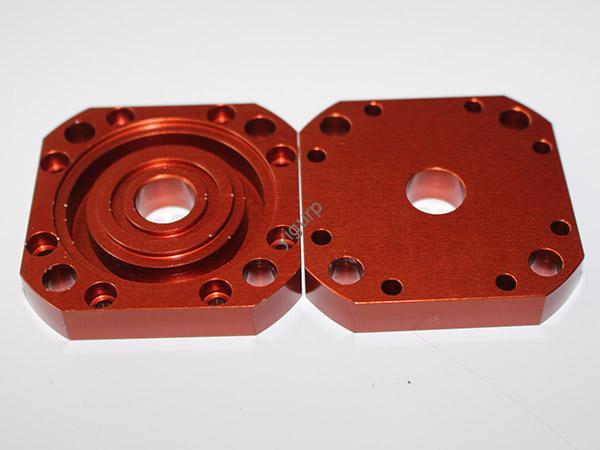
When your application demands a stainless steel that combines extreme hardness with decent corrosion resistance, AISI 440C is the material that stands above the rest. As a high-carbon martensitic grade, it is the preferred choice for components that must endure heavy wear, maintain sharp edges, and resist rust in mild environments. From surgical scalpels and industrial bearings to precision valve components, this guide covers everything you need to know about working with this powerful alloy.
Introduction
Selecting the right stainless steel often involves a trade-off. You can have excellent corrosion resistance, like the austenitic 304 grade, but it remains relatively soft. Or you can have high hardness, but at the cost of poor corrosion protection. AISI 440C stainless steel breaks that compromise. With the highest carbon content among the standard martensitic stainless steels, it achieves hardness levels up to 60 HRC after proper heat treatment. This makes it uniquely suited for parts where wear life and edge retention are critical, yet it still offers meaningful corrosion resistance for indoor and mildly exposed environments.
What Defines AISI 440C Stainless Steel?
The identity of AISI 440C is defined by its chemical composition and the resulting microstructure. Understanding these fundamentals explains why this grade behaves so differently from other stainless steels.
Chemical Composition
The performance of AISI 440C is driven by a specific combination of elements that create its signature hardness and wear resistance. The table below breaks down the typical composition.
| Element | Content Range (%) | Functional Role |
|---|---|---|
| Carbon (C) | 0.95–1.20 | The highest carbon content among standard stainless steels. It enables extreme hardness and forms hard carbides for wear resistance. |
| Chromium (Cr) | 16.0–18.0 | Provides the base for corrosion resistance and forms chromium carbides that contribute to wear resistance. |
| Molybdenum (Mo) | 0.40–0.60 | Enhances hardness and high-temperature strength, and improves resistance to localized corrosion. |
| Manganese (Mn) | ≤ 1.00 | Aids in deoxidation during steelmaking and improves hardenability. |
| Silicon (Si) | ≤ 1.00 | Acts as a deoxidizer and contributes to high-temperature oxidation resistance. |
Physical and Mechanical Properties
The mechanical properties of AISI 440C are what make it a go-to material for high-wear components. The values below represent typical performance after proper heat treatment.
- Hardness: 58–60 HRC after quenching and tempering. In the annealed condition, it measures 270–285 HB for easier machining.
- Tensile Strength: 760–1030 MPa in the heat-treated condition, providing ample strength for load-bearing applications.
- Yield Strength: Approximately 450 MPa, indicating the stress level at which permanent deformation begins.
- Density: 7.75 g/cm³, slightly lower than standard carbon steel due to its alloy content.
- Microstructure: Martensitic, which is the hard, crystalline structure formed during quenching that gives the material its characteristic properties.
How Does It Resist Corrosion?
While AISI 440C is not as corrosion-resistant as austenitic grades like 304 or 316, it holds its own in many environments, especially when properly maintained.
Corrosion Performance in Different Environments
- Atmospheric Exposure: It performs well in dry or mildly humid air. Outdoor fixtures like gate hinges or architectural components can last for decades with minimal rust.
- Mild Chloride Exposure: It can tolerate low levels of chlorides, such as those found in indoor plumbing or tap water. However, it is not recommended for marine environments or direct saltwater contact.
- High-Temperature Oxidation: The material resists scaling and maintains its strength up to approximately 800°C, making it suitable for applications like valve seats and high-temperature bearings.
- Stress Corrosion Cracking: The risk is low in most typical applications, but prolonged exposure to a combination of high temperatures and chlorides should be avoided.
Enhancing Corrosion Resistance
Several methods can improve the corrosion performance of AISI 440C components:
- Passivation: Treating the surface with a nitric or citric acid solution removes free iron and thickens the natural chromium oxide layer. This can improve corrosion resistance by 40–60% and is essential for medical and food-contact applications.
- Regular Cleaning and Lubrication: For moving parts like bearings, routine cleaning and application of a light lubricant prevent moisture from sitting on the surface and initiating rust.
- Surface Finishing: A polished or mirror finish reduces surface roughness, leaving fewer places for moisture and contaminants to collect.
What Is the Heat Treatment Process?
Heat treatment is the key to unlocking the full potential of AISI 440C. Without proper processing, the material will not achieve its characteristic hardness.
The Core Heat Treatment Steps
| Process | Temperature Range | Purpose and Outcome |
|---|---|---|
| Annealing | 850–900°C, slow cool | Softens the steel to approximately 270–285 HB, making it machinable for initial shaping. |
| Austenitizing | 1010–1065°C | Transforms the microstructure to austenite, preparing the steel for the hardening step. |
| Quenching | Oil or air quench | Rapid cooling transforms the austenite into hard martensite, achieving hardness of 58–60 HRC. |
| Tempering | 150–370°C, air cool | Relieves internal stresses from quenching. Lower tempering temperatures preserve high hardness; higher temperatures increase toughness but reduce hardness. |
Advanced Considerations for Optimal Results
- Cryogenic Treatment: After quenching, a small amount of soft austenite may remain trapped in the microstructure. Subjecting the steel to temperatures between -80°C and -196°C converts this retained austenite to martensite, increasing hardness by 2–3 HRC and improving dimensional stability.
- Carbide Distribution: Proper austenitizing temperatures ensure that hard chromium carbides are evenly distributed throughout the matrix, preventing localized weak spots that could lead to premature wear.
- Grain Size Control: Maintaining a fine grain size (ASTM 6–9) through controlled heating cycles balances hardness with sufficient toughness to resist chipping.
How Do You Weld and Machine This Material?
Working with AISI 440C requires more care than with softer stainless steels. Its high hardness and carbon content introduce specific challenges during fabrication.
Welding Considerations
Welding AISI 440C is possible but requires strict controls to avoid cracking:
- Preheat: The material should be preheated to 250–300°C to slow the cooling rate after welding, reducing thermal stress.
- Post-Weld Heat Treatment: A tempering treatment at 650–700°C is essential to restore ductility and relieve residual stresses in the heat-affected zone.
- Filler Metal: Use a matching filler like ER410NiMo, which provides similar strength and corrosion resistance.
- Cracking Prevention: Use low-hydrogen welding processes and ensure the material is clean and dry to prevent hydrogen-induced cracking.
Machining and Fabrication Tips
- Machine in the Annealed Condition: All major machining operations should be performed while the steel is in its soft, annealed state (270–285 HB).
- Tooling: Use carbide tooling for roughing operations. For finishing hardened components, cubic boron nitride (CBN) or ceramic inserts last 5–10 times longer than conventional carbide.
- Speeds and Feeds: Use slow cutting speeds (50–150 m/min for turning) and light feeds (0.05–0.15 mm/rev) to avoid work hardening and excessive heat generation.
- Grinding: When grinding hardened 440C, use plenty of coolant and slow grinding speeds (15–20 m/s) to prevent grinding burn, which can weaken the surface layer.
- Formability: The material has poor formability in the hardened state. Any bending or shaping should be done before heat treatment.
What Forms Are Available and How Are They Sourced?
AISI 440C is available in a variety of product forms to suit different manufacturing needs. Knowing what is available helps in planning your project and supply chain.
| Product Form | Typical Dimensions | Common Applications |
|---|---|---|
| Round Bar Stock | 6–300 mm diameter | Bearings, shafts, cutlery, valve components |
| Flat Bar and Sheet | 0.5–10 mm thickness | Precision instruments, razor blades, molds |
| Plate | 10–200 mm thickness | Mold bases, large tooling components |
| Precision Ground Flat Stock | 1–50 mm thickness, ±0.01 mm tolerance | Tooling, dies, fixtures requiring tight tolerances |
| Foil | 0.01–0.1 mm thickness | Small precision parts, watch components, shims |
Supply Chain Considerations:
- For critical applications, source from suppliers with ISO 9001 certification to ensure material traceability and quality.
- Forged blanks are ideal for large components like valve bodies or large bearing races. Lead times for custom forgings are typically 3–4 weeks.
- Most global suppliers offer both metric and imperial sizes, allowing flexibility based on your design specifications.
Where Is AISI 440C Used?
The unique combination of hardness, wear resistance, and moderate corrosion resistance makes AISI 440C the material of choice for a wide range of demanding applications.
- Medical and Surgical: Scalpels, forceps, and surgical scissors that require sharp, durable edges and resistance to corrosion from bodily fluids and cleaning agents.
- Bearings and Races: Ball bearings, roller bearings, and bearing races in high-speed machinery, where hardness is essential for long life under rolling contact stress.
- Valve Components: Valve seats, balls, and stems in industrial engines and pumps, where high temperatures and wear resistance are required.
- Cutlery and Blades: High-end chef’s knives, hunting knives, and industrial blades that must hold a sharp edge through extended use.
- Plastic Processing: Injection molding screws and barrels that resist wear from abrasive glass-filled or mineral-filled plastic compounds.
- Firearm Components: Barrels, triggers, and other parts that require strength, impact resistance, and some corrosion protection.
Case Studies: AISI 440C in Real-World Applications
Case Study 1: Extending Bearing Life in High-Speed Machinery
A manufacturer of industrial pumps was experiencing premature failure of bearing races made from a lower-grade stainless steel. The races were failing after approximately 8,000 hours of operation due to surface fatigue and wear. Switching to AISI 440C stainless steel races, heat-treated to 59 HRC and finished with a precision grind, extended bearing life to over 25,000 hours. This reduced unplanned downtime by 70% and saved the company an estimated $45,000 annually in replacement parts and labor.
Case Study 2: Improving Surgical Scalpel Edge Retention
A medical device company was producing scalpels from 420 stainless steel, but surgeons reported that the blades dulled too quickly during long procedures. The company switched to AISI 440C blades treated with a full heat treatment cycle followed by passivation. The new blades maintained their sharpness for three times as many cuts, and the passivation ensured compliance with FDA biocompatibility standards. Customer satisfaction scores improved significantly, and the company gained a competitive advantage in a crowded market.
Case Study 3: Mold Components for Abrasive Plastics
An injection molding company was using 420 stainless steel for their mold cores and cavities. The parts were being molded from a 40% glass-filled nylon, which was rapidly wearing down the mold surfaces. After just 50,000 cycles, the molds showed significant wear, affecting part quality. They rebuilt the molds using AISI 440C inserts, heat-treated to 58 HRC. The new mold components lasted for over 250,000 cycles before showing any measurable wear, reducing mold maintenance costs by 80% and nearly eliminating scrap due to dimensional drift.
Conclusion
For applications where wear resistance and edge retention are the top priorities, AISI 440C stainless steel offers a compelling solution. Its high carbon content and martensitic structure allow it to achieve hardness levels up to 60 HRC, outperforming most other stainless grades in demanding wear environments. While its corrosion resistance does not match that of austenitic grades, it provides reliable protection in mild environments, especially when passivated or properly maintained. With careful attention to heat treatment, welding procedures, and machining practices, this versatile material can deliver exceptional service life in medical, industrial, and precision component applications.
FAQ About AISI 440C Stainless Steel
Is AISI 440C stainless steel magnetic?
Yes, it is strongly magnetic. Its martensitic microstructure makes it ferromagnetic, unlike the non-magnetic austenitic grades such as 304 or 316. This property is useful for applications like sensor components or where magnetic inspection methods are used.
Can AISI 440C be used in food processing equipment?
Yes, but with limitations. It works well for cutting blades and tools that are wiped clean after use. However, it is not recommended for continuous contact with acidic or salty foods, such as tomato sauce or brine. For tanks, piping, or surfaces that hold these materials for extended periods, an austenitic grade like 304 is a better choice.
What is the difference between AISI 440C, 440A, and 440B?
The primary difference is carbon content. 440C contains 0.95–1.20% carbon, achieving the highest hardness (up to 60 HRC). 440A contains 0.60–0.75% carbon and is softer but more corrosion-resistant and easier to machine. 440B falls in between, with 0.75–0.95% carbon. For maximum wear resistance and edge retention, 440C is the clear choice.
Does AISI 440C rust?
It can rust under certain conditions. While it offers good corrosion resistance in dry or mildly humid environments, it is susceptible to rust in marine environments, high-chloride settings, or if left wet for long periods. Proper passivation and regular cleaning significantly reduce the risk of rust formation.
Discuss Your Projects with Yigu Rapid Prototyping
Selecting and processing a high-performance material like AISI 440C requires expertise at every stage, from sourcing to final heat treatment. At Yigu Rapid Prototyping, we combine deep material knowledge with precision manufacturing capabilities to deliver components that meet the toughest requirements. Whether you need precision-ground flat stock for tooling, custom-forged blanks for large components, or fully machined parts ready for assembly, our team can guide you through the process.
We specialize in working with high-hardness materials, offering services including CNC machining, heat treatment, cryogenic processing, and passivation to ensure your parts perform as intended. If your project demands exceptional wear resistance and durability, we are ready to help. Contact us today to discuss your requirements and discover how our engineering expertise can bring your high-performance components to life.