
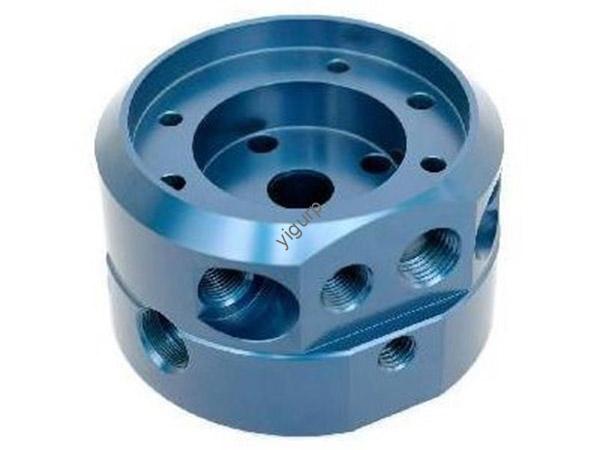
When you need tools that can handle the toughest jobs—like stamping thousands of metal parts or machining hard materials—you need a steel that won’t let you down. EN 1.2379 tool steel is a high-performance alloy designed for these exact situations. It offers an exceptional balance of hardness, wear resistance, and toughness, making it a top choice in industries like automotive, aerospace, and general toolmaking. This guide breaks down its key properties, real-world applications, how it is manufactured, and how it compares to other materials, so you can decide if it’s the right fit for your next demanding project.
What Makes EN 1.2379 Tool Steel So Effective?
The performance of EN 1.2379 comes from a carefully designed chemical composition and a precise heat treatment process. It is built to hold an edge, resist abrasion, and maintain its shape under extreme pressure.
Chemical Composition
The alloying elements in EN 1.2379 are what give it its superior properties. Each element plays a specific role in enhancing strength, wear resistance, and durability.
| Element | Content Range (%) | Key Role in the Alloy |
|---|---|---|
| Carbon (C) | 1.40 – 1.60 | The primary element for achieving high hardness and wear resistance. |
| Chromium (Cr) | 11.50 – 13.00 | Forms hard carbides for wear protection and provides good corrosion resistance. |
| Manganese (Mn) | 0.30 – 0.60 | Improves hardenability and reduces brittleness during heat treatment. |
| Molybdenum (Mo) | 0.40 – 0.60 | Increases toughness and high-temperature strength, preventing grain growth. |
| Vanadium (V) | 0.10 – 0.30 | Forms very hard vanadium carbides, improving edge retention and wear resistance. |
| Silicon (Si) | 0.15 – 0.35 | Enhances strength and oxidation resistance at high temperatures. |
Mechanical Properties After Heat Treatment
The true potential of EN 1.2379 is unlocked through heat treatment. The following values are typical after a standard quench and tempering process.
| Property | Typical Value | Why It Matters for Your Tools |
|---|---|---|
| Hardness (HRC) | 58 – 62 | This high hardness means the tool will retain its cutting edge and resist abrasive wear, significantly extending its service life. |
| Tensile Strength | ≥ 2000 MPa | It can withstand immense pulling forces without fracturing, which is critical for tools under heavy load. |
| Yield Strength | ≥ 1800 MPa | It resists permanent deformation, so complex tool geometries stay accurate under stress. |
| Impact Toughness | ≥ 15 J (at 20°C) | It offers moderate toughness, helping to avoid brittle fracture in cold conditions or shock-loaded applications. |
| Fatigue Strength | ~800 MPa (10⁷ cycles) | It can handle millions of repeated stress cycles, which is essential for tools used in high-volume manufacturing. |
Where Is EN 1.2379 Tool Steel Used?
Thanks to its excellent combination of hardness, wear resistance, and toughness, EN 1.2379 is a versatile material for demanding applications.
Cutting Tools
This is one of the most common applications for EN 1.2379. Its ability to maintain a sharp edge makes it ideal for tools that cut other metals.
- End Mills and Drills: A German tool manufacturer tested EN 1.2379 end mills against standard high-speed steel (HSS) when machining stainless steel. The EN 1.2379 tools lasted 30% longer, requiring fewer tool changes and reducing downtime.
- Taps and Broaches: These tools experience high friction and stress. The high hardness of EN 1.2379 ensures they can cut precise threads and shapes without premature wear.
Dies and Molds
In high-volume production, dies and molds must withstand constant impact and abrasion.
- Cold Stamping Dies: A Turkish automotive supplier was using carbon steel dies to stamp door hinges. The dies were wearing out every 100,000 parts. They switched to EN 1.2379 stamping dies. The result was a dramatic increase in die life to 350,000 parts, a 250% improvement. This led to a 40% drop in maintenance costs and better part quality with fewer burrs.
- Extrusion Dies: For shaping aluminum profiles, EN 1.2379 dies resist the abrasive wear from the hot, soft metal, ensuring consistent profile dimensions over long production runs.
- Injection Molds: For high-volume plastic parts, the material’s wear resistance and good corrosion resistance make it a reliable choice for molds that must last for millions of cycles.
Machine Parts and Components
Beyond tooling, EN 1.2379 is used for machine components that face constant stress.
- Gears and Camshafts: A Dutch machinery manufacturer used EN 1.2379 for gear teeth in a high-load conveyor system. The parts lasted twice as long as the alloy steel components they replaced, thanks to the material’s high fatigue strength and wear resistance.
- Valve Components: An Italian auto parts maker tested EN 1.2379 for diesel engine valves. The valves withstood over 50,000 operating hours without failure, a testament to the material’s high-temperature strength and durability.
How Is EN 1.2379 Tool Steel Manufactured?
Turning EN 1.2379 into a high-performance tool requires a series of precise, controlled steps.
Melting, Forging, and Soft Machining
The process begins with creating a clean, uniform material and then shaping it while it is workable.
- Melting: Raw materials are melted in an Electric Arc Furnace (EAF) at around 1,550°C to ensure a consistent mix of all alloying elements.
- Forging: The steel is heated to 1,100–1,200°C and then pressed or hammered into a rough shape like a die blank. This process refines the grain structure, making the final product stronger.
- Annealing: The steel is then softened through an annealing process (heated to 800–850°C and cooled slowly). This brings the hardness down to HRC 22–28, allowing it to be machined into its final shape with standard tools.
Heat Treatment and Finishing
This is the most critical stage, where the steel transforms into a hard, wear-resistant material.
- Quenching: The machined part is heated to 950–1050°C and then rapidly cooled in oil. This hardens the steel to HRC 60–63.
- Tempering: To reduce brittleness and achieve the final hardness, the quenched part is reheated to 180–250°C. This process, called tempering, sets the final target of HRC 58–62 and relieves internal stresses.
- Grinding: Because the steel is now very hard, any final dimensional adjustments are made by grinding. This achieves the precise tolerances required for cutting tools and dies.
EN 1.2379 vs. Other Materials
Selecting the right tool steel involves understanding the trade-offs between hardness, toughness, and cost. This comparison highlights where EN 1.2379 excels.
| Material | Hardness (HRC) | Wear Resistance | Corrosion Resistance | Relative Cost | Best Application |
|---|---|---|---|---|---|
| EN 1.2379 Tool Steel | 58 – 62 | Excellent | Good | 100% | Cold stamping dies, precision cutting tools |
| High-Speed Steel (HSS) | 60 – 65 | Very Good | Poor | 80% | High-speed machining (e.g., milling cutters) |
| Carbon Steel (1095) | 55 – 60 | Good | Poor | 50% | Low-cost tools for light-duty applications |
| Stainless Steel (304) | 20 – 25 | Poor | Excellent | 120% | Parts where rust prevention is the top priority |
| Alloy Steel (4140) | 30 – 40 | Fair | Fair | 70% | Structural machine parts, not for tooling |
Conclusion
EN 1.2379 tool steel is a high-performance, versatile material that delivers a compelling balance of hardness, wear resistance, and toughness. Its ability to achieve a working hardness of 58–62 HRC, combined with the formation of hard chromium and vanadium carbides, makes it exceptionally well-suited for demanding applications like cold stamping dies, precision cutting tools, and high-wear machine components. Real-world case studies demonstrate its ability to dramatically extend tool life—by up to 250% in some cases—and reduce maintenance costs. While it requires careful heat treatment and is best machined in its annealed state, its proven performance and reliability make it a superior, cost-effective choice over standard carbon and alloy steels for long-term, high-volume production environments.
FAQ About EN 1.2379 Tool Steel
Can EN 1.2379 be used for hot forging dies?
No, it is not recommended. EN 1.2379 is designed for cold or moderate-temperature applications up to about 300°C. For hot working applications like forging dies, which experience temperatures over 500°C, you should choose a dedicated hot-work tool steel, such as EN 1.2344.
What is the best way to machine EN 1.2379?
You should machine it before heat treatment, when it is in its soft, annealed state (HRC 22–28). Use carbide cutting tools with high cutting speeds and low feed rates. After hardening, you can only finish it with grinding or electrical discharge machining (EDM) .
How does EN 1.2379 resist corrosion?
It offers good corrosion resistance for a tool steel, thanks to its high chromium content (11.5–13.0%). It can resist rust in typical workshop environments. However, it is not fully stainless, so it is not suitable for prolonged exposure to strong chemicals or saltwater.
Is EN 1.2379 magnetic?
Yes, it is magnetic. Like most tool steels, it is ferromagnetic because its microstructure contains a high amount of iron and lacks sufficient nickel to become non-magnetic.
Discuss Your Projects with Yigu Rapid Prototyping
Selecting the right material is only the first step in creating high-performance tooling. At Yigu Rapid Prototyping, we have extensive experience working with EN 1.2379 and other advanced tool steels. We understand the critical nuances of its heat treatment, machining, and finishing to ensure your dies, cutting tools, and machine components achieve maximum performance and service life. Whether you are developing a new stamping die for high-volume automotive parts or a precision cutting tool for aerospace applications, our team can help you engineer a solution that stands up to the toughest challenges. Contact us today to discuss your project requirements.