
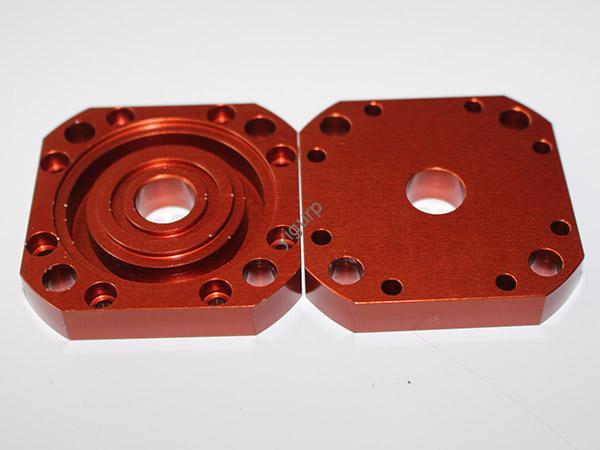
When your project demands exceptional strength without sacrificing toughness—aerospace landing gear, high-performance automotive components, or industrial machinery shafts—maraging steel ultra high strength is a material that delivers where others fall short. Unlike conventional high-strength steels that rely on carbon for hardness, maraging steel achieves its properties through a unique precipitation-hardening mechanism. This results in tensile strengths reaching 2500 MPa while maintaining remarkable toughness and weldability. In this guide, I will walk you through its properties, applications, and how to work with it based on real project experience.
Introduction
Maraging steel—the name comes from “martensite aging”—is a family of ultra-high-strength steels that achieve their properties through a different mechanism than traditional carbon steels. Instead of relying on carbon to create hardness (which also creates brittleness), maraging steel uses a low-carbon, nickel-rich matrix that is strengthened by intermetallic precipitates formed during an aging heat treatment. This approach yields a material that is both exceptionally strong and remarkably tough. Over the years at Yigu Rapid Prototyping, I have worked with aerospace manufacturers, racing teams, and industrial equipment makers who specify maraging steel for components where failure is not an option. Its combination of strength, toughness, and fabricability makes it a go-to material for the most demanding applications.
What Makes Maraging Steel Ultra High Strength?
Maraging steel achieves its properties through a carefully balanced chemistry and a two-step heat treatment. The key is the absence of carbon and the presence of nickel, cobalt, molybdenum, and titanium.
The Chemistry Behind the Performance
Unlike traditional high-carbon steels, maraging steel relies on intermetallic precipitates for strength. Its typical composition is dramatically different from conventional steel.
| Element | Content Range (%) | Why It Matters |
|---|---|---|
| Nickel (Ni) | 18 – 25 | Enables the martensitic structure and forms the matrix for strengthening precipitates. |
| Cobalt (Co) | 8 – 12 | Boosts hardenability and enhances precipitate formation. |
| Molybdenum (Mo) | 3 – 5 | Aids in precipitation hardening and contributes to ultra-high strength. |
| Titanium (Ti) | 0.1 – 0.5 | Forms fine intermetallic precipitates with nickel, providing the strengthening mechanism. |
| Aluminum (Al) | 0.1 – 0.3 | Works with titanium to refine precipitate size and distribution. |
| Carbon (C) | ≤ 0.03 | Kept ultra-low to minimize brittleness and maintain weldability. |
| Iron (Fe) | Balance | The base metal that holds the alloy together. |
Key Insight: The carbon content of maraging steel is less than 0.03%—one-tenth that of typical high-strength steels. This low carbon content eliminates the brittleness associated with high-carbon martensite and makes the material exceptionally weldable.
Mechanical Properties That Define Performance
Maraging steel’s mechanical properties are achieved through a two-step heat treatment: solution treatment followed by aging.
| Property | Typical Value | Significance |
|---|---|---|
| Tensile Strength | 1500 – 2500 MPa | 2–3 times higher than high-strength low-alloy (HSLA) steels. |
| Yield Strength | 1400 – 2400 MPa | Resists permanent deformation under extreme loads. |
| Hardness | 45 – 55 HRC | Provides wear resistance while maintaining toughness. |
| Impact Toughness | 20 – 60 J | Exceptional for a steel at this strength level. Prevents brittle fracture. |
| Elongation | 8 – 12% | Provides enough ductility to avoid sudden failure. |
| Fatigue Resistance | 600 – 800 MPa | Withstands repeated stress cycles in moving components. |
| Fracture Toughness | 50 – 80 MPa·m¹/² | Resists crack propagation in high-stress applications. |
Case Study: A leading aerospace manufacturer used maraging steel for landing gear pistons. Testing showed the pistons withstood 30% more cyclic stress than the previous titanium alloy while cutting weight by 8%. This combination of higher strength and lower weight translated directly into improved fuel efficiency and longer component life.
Where Does Maraging Steel Deliver the Most Value?
This material is specified for applications where the combination of ultra-high strength and toughness is essential. It is used across aerospace, automotive, industrial machinery, and sporting goods.
Aerospace Components
The aerospace industry demands materials that can handle extreme stress while minimizing weight. Maraging steel is used for:
- Landing gear: Pistons, cylinders, and components that support the entire aircraft weight during takeoff and landing.
- Structural components: Wing spars, fuselage frames, and other primary structures.
- Fasteners: High-strength bolts that secure critical components without adding bulk.
Case Study: A commercial aircraft manufacturer adopted maraging steel for landing gear components. The material’s ultra-high tensile strength allowed for thinner wall sections, reducing weight while improving fatigue life. The components passed rigorous certification testing with margins well above requirements.
High-Performance Automotive
Racing and high-performance vehicles use maraging steel for components that must survive extreme loads and temperatures.
- Engine components: Crankshafts and connecting rods that handle high RPMs without bending.
- Transmission components: Gear shafts that resist wear from constant meshing under high torque.
- Suspension systems: Control arms and links that absorb impact from rough terrain or racing conditions.
Case Study: A luxury sports car brand adopted maraging steel for its transmission gear shafts. The result was a 25% increase in shaft life and a 12% reduction in overall transmission weight—improving both durability and performance. The material’s high fatigue resistance also allowed the transmission to handle higher torque output from the engine.
Industrial Machinery
Heavy machinery and industrial equipment use maraging steel for components that face continuous stress.
- Gears: Large industrial gears that resist wear from heavy loads.
- Shafts: Motor and pump shafts that handle torque and vibration.
- Bearings: High-load bearings that support rotating components in factories.
Sporting Goods
Athletes and enthusiasts benefit from maraging steel’s strength-to-weight ratio.
- Golf clubs: Driver heads with thin walls that create larger sweet spots without sacrificing durability.
- Bicycle frames: High-end racing frames that are lightweight yet stiff for efficient power transfer.
Case Study: A premium bicycle brand used maraging steel for its road bike frames. Riders reported a 15% stiffer ride, meaning better power transfer, and the frames weighed 10% less than aluminum equivalents—with no loss in durability after over 5,000 kilometers of testing.
Tool Manufacturing
Tools that must stay sharp and resist wear benefit from maraging steel.
- Injection molding dies: Components that resist wear from repeated plastic flow.
- Cutting tools: Inserts that maintain sharpness when cutting hard metals.
How Is Maraging Steel Manufactured and Processed?
Unlocking maraging steel’s full potential requires precise manufacturing steps, particularly in steelmaking and heat treatment.
Steelmaking and Refining
Maraging steel is typically produced in an electric arc furnace (EAF) to melt scrap and alloying elements. For aerospace-grade material, vacuum arc remelting (VAR) is used to remove impurities such as oxygen and nitrogen, which can reduce toughness. VAR is critical for applications requiring the highest reliability.
Heat Treatment: The Maraging Process
The “maraging” process occurs in two stages:
- Solution treatment: The steel is heated to 820–850°C, held for 1–2 hours, and then air-cooled. This forms a soft, machinable martensitic structure. In this condition, the steel has a tensile strength of about 800–1000 MPa and can be readily formed and machined.
- Aging: The steel is heated to 480–510°C and held for 3–6 hours, then air-cooled. During this step, fine intermetallic precipitates (nickel-titanium and nickel-molybdenum) form throughout the matrix. This increases tensile strength to 1500–2500 MPa while maintaining good toughness.
The aging temperature and time are carefully controlled to achieve the desired balance of strength and toughness. Lower aging temperatures (around 480°C) produce higher strength but slightly lower toughness. Higher aging temperatures (around 510°C) produce slightly lower strength but higher toughness.
Forming and Fabrication
Most forming and machining is performed in the solution-treated condition, when the steel is relatively soft.
- Hot rolling: Creates sheets and bars for structural components.
- Cold rolling: Produces thin, precise sheets for bicycle frames and small parts.
- Forging: Shapes complex parts such as landing gear pistons.
- Machining: In the solution-treated condition, maraging steel machines similarly to austenitic stainless steel. Carbide tools are recommended.
- Welding: Maraging steel has excellent weldability due to its low carbon content. No preheating is required for thin sections. For thick sections, post-weld aging may be needed to restore full strength.
Surface Treatment
Surface treatments can enhance performance in specific environments.
- Plating: Chromium or nickel plating improves corrosion resistance for outdoor or wet applications.
- Coating: Titanium nitride coatings add a hard, low-friction layer for cutting tools.
- Shot peening: Blasting the surface with small metal balls creates compressive stress, increasing fatigue resistance.
- Polishing: Creates a smooth finish for aesthetic parts such as bicycle frames.
How Does Maraging Steel Compare to Other Materials?
Understanding the trade-offs between maraging steel and alternative materials helps in making an informed selection.
| Material | Tensile Strength (MPa) | Toughness | Relative Cost | Best For |
|---|---|---|---|---|
| Maraging Steel (18Ni) | 1500 – 2500 | High | 100% | High-stress, safety-critical applications |
| HSLA Steel | 600 – 800 | Moderate | 30% | General structural applications |
| Stainless Steel (304) | 500 – 700 | Moderate | 40% | Corrosive environments, not high strength |
| High-Carbon Steel | 800 – 1200 | Low | 20% | Low-cost tools, no impact requirements |
| Aluminum (7075) | 500 – 600 | Low | 30% | Lightweight, low-stress applications |
| Titanium (Ti-6Al-4V) | 900 – 1100 | Moderate | 200% | Aerospace, high strength-to-weight ratio |
Key Insights:
- Compared to HSLA steel, maraging steel offers 2–3 times higher strength and significantly better toughness, making it the choice for applications where weight reduction and reliability are critical.
- Compared to high-carbon steel, maraging steel is far tougher and more weldable. High-carbon steel becomes brittle at high strength; maraging steel maintains toughness.
- Compared to titanium, maraging steel is approximately half the cost and offers higher strength, though titanium is lighter. For applications where weight is the primary constraint, titanium may be preferred; for strength-critical applications, maraging steel is often the better choice.
What Are the Cost Considerations?
Maraging steel is significantly more expensive than conventional steels. A typical cost comparison:
- Maraging steel: 100% (baseline)
- HSLA steel: 30–40%
- High-carbon steel: 20–25%
- Titanium: 150–200%
However, in applications where weight reduction and reliability are critical, the higher material cost is often justified. A 12% weight reduction in landing gear components, for example, translates into fuel savings over the life of the aircraft that far exceed the initial material cost difference.
Conclusion
Maraging steel ultra high strength represents a distinct class of materials that achieve exceptional strength through a unique precipitation-hardening mechanism. Its ultra-low carbon content and nickel-rich matrix provide a combination of strength, toughness, and weldability that conventional high-strength steels cannot match. For aerospace landing gear, high-performance automotive components, industrial machinery, and sporting goods where failure is not an option, maraging steel is a proven, reliable solution. While its cost is higher than conventional steels, its performance in demanding applications often makes it the most cost-effective choice over the lifecycle of the component.
FAQ About Maraging Steel Ultra High Strength
Can maraging steel be welded?
Yes. Its ultra-low carbon content (≤ 0.03%) makes it highly weldable without preheating for thin sections. For thick sections, post-weld aging may be required to restore full strength. Unlike high-carbon steels, maraging steel does not crack in the heat-affected zone when welded with proper procedures.
Is maraging steel suitable for outdoor applications?
It has moderate corrosion resistance—adequate for dry outdoor environments but not for saltwater or highly humid conditions. For outdoor or marine applications, a surface treatment such as chromium plating, nickel plating, or a corrosion-resistant coating is recommended.
What is the typical lead time for maraging steel parts?
Lead time varies by process and grade. Small-batch parts such as fasteners typically take 2–3 weeks using EAF melting and standard heat treatment. Aerospace-grade parts requiring vacuum arc remelting (VAR) and forging take 4–6 weeks, as these additional steps ensure the purity and consistency required for critical applications.
What is the difference between 18Ni and 25Ni maraging steel?
The number refers to the nickel content. 18Ni maraging steel (e.g., 18Ni-8Co) typically offers tensile strengths of 1500–2000 MPa with excellent toughness and weldability. 25Ni maraging steel (e.g., 25Ni-12Co) offers higher tensile strengths up to 2500 MPa but with slightly lower toughness. The choice depends on whether strength or toughness is the primary requirement.
Discuss Your Projects with Yigu Rapid Prototyping
Selecting the right ultra-high-strength material for demanding applications requires balancing strength, toughness, fabricability, and cost. At Yigu Rapid Prototyping, we help aerospace engineers, automotive designers, and industrial equipment manufacturers navigate these decisions with practical, experience-based guidance. Whether you need maraging steel for landing gear components, racing transmission shafts, or high-performance tools, we can provide material sourcing, heat treatment support, and fabrication assistance. Contact us to discuss your project requirements and find the right solution.