
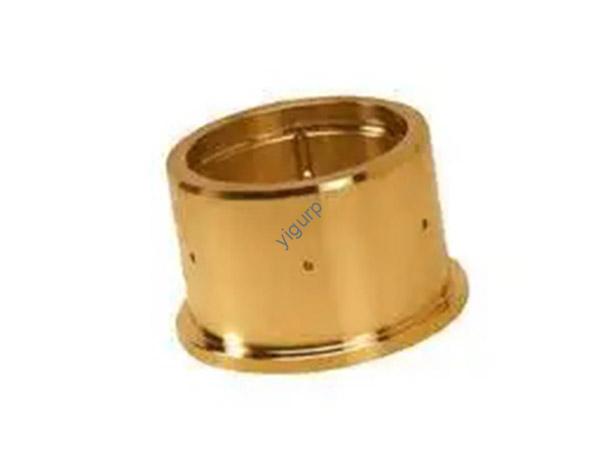
If you work in industries like chemical processing, oil and gas, or pollution control, you know how critical it is to choose materials that can handle harsh conditions without frequent failure. UNS N06022 Hastelloy C22 is a top-tier nickel-chromium-molybdenum alloy designed for exactly these demanding environments. Its exceptional resistance to corrosion, pitting, and high-temperature degradation makes it a reliable choice where standard stainless steels fall short. This guide breaks down everything you need to know about this superalloy—from its core properties to real-world applications and how it compares to other materials.
What Makes Hastelloy C22 So Effective?
Hastelloy C22’s performance comes from its carefully balanced chemistry. It is a nickel-based alloy with significant additions of chromium, molybdenum, and tungsten. This combination provides outstanding resistance to a wide range of corrosive media, including strong acids, chlorides, and oxidizing chemicals.
The Chemistry of Superior Corrosion Resistance
The alloy’s composition is designed to boost corrosion resistance while maintaining mechanical stability. The table below shows its typical makeup.
| Element | Content Range (%) | Key Role |
|---|---|---|
| Nickel (Ni) | 50 – 60 | Base metal. Provides overall ductility and resistance to stress corrosion cracking. |
| Chromium (Cr) | 20 – 24 | Enhances oxidation and pitting resistance, especially in oxidizing acids. |
| Molybdenum (Mo) | 12 – 16 | Fights corrosion in reducing acidic environments like sulfuric and hydrochloric acid. |
| Tungsten (W) | 2.5 – 3.5 | Improves resistance to localized corrosion, such as crevice and pitting attack. |
| Iron (Fe) | 2 – 6 | Increases strength without reducing ductility. |
| Carbon (C) | ≤ 0.015 | Minimized to prevent carbide formation, which can lead to intergranular corrosion. |
Key Mechanical and Physical Properties
Hastelloy C22 balances strength and flexibility, even at extreme temperatures. The values below are for the annealed (heat-treated) condition.
| Property | Typical Value | Why It Matters |
|---|---|---|
| Tensile Strength | ≥ 690 MPa | Withstands high stress without breaking. Suitable for pressure vessels and reactor walls. |
| Yield Strength | ≥ 310 MPa | Resists permanent deformation under load. |
| Elongation | ≥ 40% | Highly ductile. Can be formed into complex shapes without cracking. |
| Max Service Temperature | 650°C (continuous) | Maintains strength and resists creep in high-heat processes. |
| Density | 8.9 g/cm³ | Slightly lighter than some competing nickel alloys. |
| Magnetic Properties | Non-magnetic | Ideal for applications where magnetism is problematic, such as medical equipment. |
A real-world example: A chemical plant in Texas replaced stainless steel reactor vessels with Hastelloy C22. The alloy resisted corrosion from a mix of sulfuric and nitric acid, extending the vessel’s lifespan from 2 years to 8 years. Maintenance costs dropped by 60%, and production efficiency increased due to reduced downtime.
Where Is Hastelloy C22 Used?
Thanks to its versatile properties, Hastelloy C22 is used across multiple industries where material failure is not an option.
Chemical Processing
- Reactor Vessels: Handles aggressive chemical reactions involving mixed acids, chlorides, and oxidizing agents.
- Heat Exchangers: Resists corrosion from hot, corrosive process streams.
- Storage Tanks: Safely contains highly corrosive chemicals that would quickly degrade stainless steel.
Oil and Gas
- Offshore Components: An offshore oil rig in the North Sea uses Hastelloy C22 for wellhead components. The alloy withstands salty seawater and high-pressure natural gas, reducing maintenance costs by 30% .
- Downhole Tools: Resists sour gas (H₂S) and chlorides in deep wells.
- Valve Bodies and Pipeline Connectors: Provides long-term reliability in corrosive production environments.
Pollution Control
- Flue Gas Desulfurization (FGD): A waste incineration plant in Germany uses Hastelloy C22 for FGD systems. The alloy resists the acidic byproducts of flue gas treatment, avoiding frequent part replacements and unplanned shutdowns.
- Scrubbers: Handles the corrosive conditions in industrial air pollution control equipment.
Pulp and Paper
- Digester Vessels: A Canadian pulp mill uses Hastelloy C22 for digesters that break down wood chips. The alloy handles harsh sulfite solutions, cutting downtime by 25% compared to previous materials.
Pharmaceuticals and Food Processing
- Mixing Tanks and Conveyors: Non-toxic and easy to clean, meeting FDA standards for sanitary equipment.
How Is Hastelloy C22 Manufactured and Fabricated?
Working with Hastelloy C22 requires specific techniques to preserve its corrosion-resistant properties. Following these practices ensures successful fabrication.
| Process | Recommended Method | Key Considerations |
|---|---|---|
| Casting | Investment casting | Preferred for complex shapes like valve bodies. The alloy’s low carbon content prevents casting defects. |
| Forging | Hot forging (1040-1170°C) | Shapes the alloy into strong components like pump impellers. Cold forging is used for smaller parts to boost hardness. |
| Welding | Gas Tungsten Arc Welding (GTAW) | Use matching filler metals (e.g., ERNiCrMo-10) to maintain corrosion resistance. Pre-weld cleaning to remove oils is critical. |
| Machining | Carbide tools with coolants | The alloy can work-harden if machined too quickly. Use sharp tools and consistent feeds to avoid this. |
| Heat Treatment | Annealing (1065-1120°C) with rapid cooling | Softens the alloy for forming and restores corrosion resistance after welding. |
| Surface Treatment | Passivation (nitric acid) | Creates a thin oxide layer that enhances pitting resistance. No painting is needed; the alloy resists rust on its own. |
How Does Hastelloy C22 Compare to Other Materials?
Choosing the right material for harsh environments means balancing corrosion resistance, strength, temperature capability, and cost. This comparison helps clarify where Hastelloy C22 fits.
| Material | Corrosion Resistance (Acids) | Tensile Strength (MPa) | Max Service Temp (°C) | Relative Cost |
|---|---|---|---|---|
| Hastelloy C22 | Excellent (mixed acids) | 690 | 650 | High |
| Stainless Steel 316 | Good (mild acids) | 515 | 870 | Low |
| Inconel 625 | Excellent (high temps) | 930 | 980 | Very High |
| Hastelloy C276 | Excellent (strong acids) | 705 | 650 | Higher than C22 |
| Titanium (Ti-6Al-4V) | Very Good (chlorides) | 860 | 400 | Very High |
| Monel 400 | Good (seawater) | 550 | 480 | Medium |
Key takeaways:
- Hastelloy C22 significantly outperforms stainless steel 316 in acidic and chloride-rich environments, though at a higher upfront cost.
- It is more affordable than titanium alloys and Hastelloy C276, making it a balanced choice for many chemical processing applications.
- Inconel 625 works better at higher temperatures, but Hastelloy C22 is superior in acidic environments where corrosion resistance is the primary concern.
Conclusion
UNS N06022 Hastelloy C22 is a high-performance superalloy designed for the most demanding corrosive environments. Its unique combination of nickel, chromium, molybdenum, and tungsten provides exceptional resistance to pitting, crevice corrosion, and stress corrosion cracking in mixed acids, chlorides, and oxidizing chemicals. While its upfront cost is higher than standard stainless steels, its proven longevity—often 3 to 5 times longer in harsh conditions—and reduced maintenance requirements make it a cost-effective choice over the life of the equipment. For chemical processing, oil and gas, pollution control, and other industries where material failure is not an option, Hastelloy C22 offers reliable, long-term performance.
FAQ About UNS N06022 Hastelloy C22
Is Hastelloy C22 suitable for seawater applications?
Yes. Its high pitting resistance and resistance to chloride-induced corrosion make it ideal for marine parts like propeller shafts, hull components, and offshore equipment. It significantly outperforms materials like Monel 400 in long-term seawater exposure.
Can Hastelloy C22 be welded to stainless steel?
Yes, but caution is needed. Use compatible filler metals such as ERNiCrMo-10 and ensure thorough cleaning before welding. Pre-weld heat treatment may be required to avoid cracking. It is recommended to consult a welding expert to maintain corrosion resistance at the joint.
What is the typical lifespan of Hastelloy C22 components in chemical processing?
In harsh chemical environments involving mixed acids or chlorides, Hastelloy C22 components typically last 5 to 10 years—roughly 3 to 5 times longer than stainless steel 316. Lifespan can be extended further with proper maintenance, including regular cleaning and periodic annealing if the material has been heavily worked.
What is the difference between Hastelloy C22 and Hastelloy C276?
Both are nickel-chromium-molybdenum alloys, but C22 has higher chromium content (20-24% vs. 14-18%) and contains tungsten. This gives C22 better resistance to oxidizing acids and pitting corrosion. C276 has slightly higher molybdenum and is often preferred for strong reducing acids. For most chemical processing applications involving mixed acids, C22 is the more versatile choice.
Discuss Your Projects with Yigu Rapid Prototyping
Selecting the right superalloy for harsh environments is a critical decision that impacts safety, reliability, and total cost of ownership. At Yigu Rapid Prototyping, we have extensive experience supplying and fabricating Hastelloy C22 for chemical processing, oil and gas, and pollution control applications. Our team can help you evaluate your specific corrosive environment—whether it involves mixed acids, chlorides, or high temperatures—and recommend the optimal material solution. We offer custom Hastelloy C22 components with full traceability and can provide guidance on welding, machining, and heat treatment. Contact us today to discuss your project and build with confidence.