
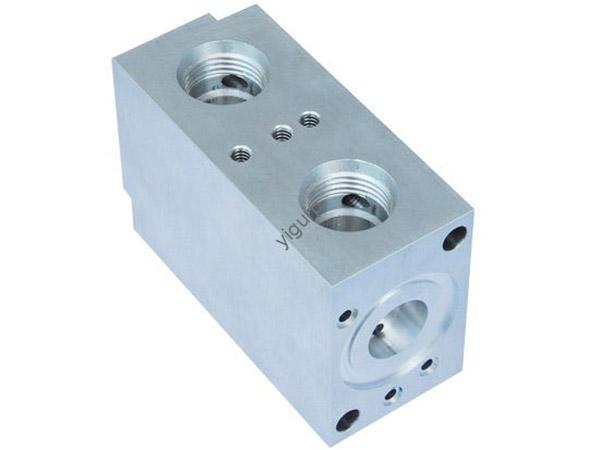
If you are looking for a cost-effective, high-strength alloy steel for mechanical parts like gears or shafts, JIS SCR440 alloy steel is an excellent choice. As a Japanese standard chromium alloy steel, it balances solid hardenability, wear resistance, and machinability, making it a versatile workhorse for a wide range of industrial applications. This guide will break down everything you need to know, from its chemical makeup to real-world uses, helping you make informed decisions for your projects.
What Makes JIS SCR440 a Versatile Alloy Steel?
The performance of JIS SCR440 is rooted in its well-balanced properties, all compliant with the Japanese JIS G4105 standard. Its chromium content is the key to its hardenability and strength.
Chemical Composition
The elements in JIS SCR440 work together to boost strength, hardness, and durability. Chromium is the primary alloying element that enhances its response to heat treatment.
| Element | Composition Range (%) | Key Role in the Alloy |
|---|---|---|
| Carbon (C) | 0.38 – 0.45 | Enhances tensile strength and surface hardness, critical for wear-resistant parts. |
| Chromium (Cr) | 0.90 – 1.20 | Improves hardenability and corrosion resistance; prevents oxidation at moderate temperatures. |
| Manganese (Mn) | 0.60 – 0.90 | Boosts machinability and grain refinement; reduces brittleness after heat treatment. |
| Silicon (Si) | 0.15 – 0.35 | Acts as a deoxidizer during steelmaking; strengthens the alloy without losing ductility. |
| Sulfur (S) | ≤ 0.030 | Kept low to avoid cracking and brittleness in high-stress applications. |
| Phosphorus (P) | ≤ 0.030 | Limited to prevent cold brittleness. |
Mechanical Properties After Heat Treatment
JIS SCR440’s full mechanical strength is unlocked after quenching and tempering. This standard heat treatment is what gives it its excellent balance of strength and toughness.
| Property | Typical Value | Why It Matters for Your Project |
|---|---|---|
| Tensile Strength | ≥ 1000 MPa | Provides the high strength needed for components like gears and shafts under heavy loads. |
| Yield Strength | ≥ 800 MPa | Ensures parts resist permanent deformation, maintaining precision under stress. |
| Hardness (Brinell) | 229 – 286 HB | Offers a good balance of wear resistance and machinability for medium-duty applications. |
| Impact Toughness | ≥ 50 J | Prevents brittle fracture in dynamic applications, such as automotive transmissions. |
| Elongation | ≥ 12% | Provides enough ductility to avoid sudden failure under shock loads. |
| Fatigue Strength | ~520 MPa | Withstands repeated stress cycles, essential for rotating parts like shafts and bearings. |
Where Is JIS SCR440 Alloy Steel Used?
JIS SCR440’s mix of strength, affordability, and versatility makes it ideal for high-stress applications across several industries. It is a reliable choice for components that must endure constant wear and load.
Automotive Industry
This is one of the most common application areas for SCR440. Its durability and cost-effectiveness are highly valued.
- Transmission Gears: A Japanese automaker used it for manual transmission gears. Its wear resistance extended gear life by 30% compared to carbon steel. A parts supplier faced a 6% failure rate with carbon steel gears. After switching to JIS SCR440 gears with forging and a precise quench and temper heat treatment, the service life doubled from 160,000 km to 320,000 km, and the failure rate dropped to 1%.
- Drive Shafts and Fasteners: Compact trucks use JIS SCR440 drive shafts, where its high yield strength handles 20-ton loads without bending. High-performance sedans use it for engine mount bolts, with tensile strength resisting vibration loosening.
Mechanical Engineering and Heavy Machinery
Industrial machines and heavy equipment rely on SCR440 for parts that must last through continuous, demanding use.
- Bearings and Rollers: A manufacturing plant used it for conveyor belt bearings. Its hardness cut maintenance downtime by 20%. Printing machinery uses it for pressure rollers, with fatigue strength withstanding repeated contact.
- Crane Shafts and Structural Fasteners: Small port cranes use it for hoist shafts, where impact toughness prevents fracture when lifting 25-ton containers. Agricultural machinery uses SCR440 bolts with anti-rust coatings to stand up to mud and rain.
How Is JIS SCR440 Alloy Steel Manufactured?
To maximize JIS SCR440’s performance, following precise manufacturing steps is essential. Heat treatment is the most critical process for unlocking its full potential.
Steelmaking and Forming
The process begins with creating a clean, uniform material and shaping it.
- Steelmaking: It is typically produced in an Electric Arc Furnace (EAF) for medium batches, allowing precise control over chromium content, or a Basic Oxygen Furnace (BOF) for mass production of standard parts like bolts.
- Forging: For high-stress parts like gears and shafts, the steel is forged at 1100–1200°C. This aligns the metal’s grain structure, increasing tensile strength by about 12% compared to cast parts.
- Rolling and Extrusion: Rolling creates basic shapes like bars and rods, while extrusion is used for more complex forms like hollow shafts.
Heat Treatment (The Key to Strength)
Heat treatment is critical to unlock JIS SCR440’s full potential. The standard process for high-stress parts involves three steps:
- Annealing: The steel is heated to 820–850°C and cooled slowly. This softens the alloy for easier machining, cutting tool wear by about 30%.
- Quenching: The steel is heated to 840–860°C and then rapidly cooled in oil. This hardens the steel to reach its target tensile strength of ≥1000 MPa.
- Tempering: The quenched steel is reheated to 500–550°C and cooled in air. This crucial step reduces brittleness while retaining high strength, creating the optimal balance for parts like gears and shafts.
JIS SCR440 vs. Other Materials
Choosing the right material involves balancing strength, toughness, corrosion resistance, and cost. This comparison shows where SCR440 fits best.
| Material | Tensile Strength (MPa) | Impact Toughness (J) | Relative Cost | Best Application |
|---|---|---|---|---|
| JIS SCR440 | ≥ 1000 | ≥ 50 | 100% | High-stress, cost-sensitive parts like gears and shafts |
| Carbon Steel (S45C) | 600 | 35 | 50% | Low-stress parts like brackets and simple pins |
| Alloy Steel (SCM440) | 1080 | 60 | 110% | High-performance parts like engine shafts |
| Stainless Steel (SUS304) | 515 | 60 | 170% | Corrosion-prone equipment in food and chemical industries |
| Aluminum (A6061) | 310 | 110 | 120% | Lightweight parts like car frames and panels |
Conclusion
JIS SCR440 alloy steel is a versatile, cost-effective, and reliable material for a wide range of high-stress mechanical applications. Its carefully balanced composition, featuring 0.90–1.20% chromium, provides excellent hardenability, allowing it to achieve a tensile strength of over 1000 MPa and impact toughness of ≥50 J through a standard quench and temper heat treatment. Real-world case studies from the automotive industry demonstrate its ability to double the service life of transmission gears and dramatically reduce failure rates, all at a lower cost than higher-performance alloys like SCM440. While it has moderate corrosion resistance and requires protective coatings for outdoor use, its combination of strength, wear resistance, and affordability makes it the preferred, practical choice for gears, shafts, bearings, and fasteners in automotive, machinery, and heavy equipment applications.
FAQ About JIS SCR440 Alloy Steel
Can JIS SCR440 be used in cold temperatures?
Yes, it performs reliably at temperatures down to -15°C with its standard impact toughness of ≥50 J. For colder climates where temperatures drop below -20°C, you can adjust the tempering process to a lower temperature range of 480–500°C. This modification can boost its impact toughness to ≥60 J, making it suitable for colder environments.
What is the main difference between JIS SCR440 and SCM440?
The primary difference is the presence of molybdenum. SCM440 contains 0.15–0.25% molybdenum, which gives it approximately 8% higher tensile strength and better high-temperature stability. SCM440 is the better choice for applications involving extreme stress or elevated temperatures. SCR440 is the more cost-effective option for standard, medium-stress parts where its performance is more than sufficient.
How can I improve the corrosion resistance of JIS SCR440?
JIS SCR440 has only moderate corrosion resistance. For outdoor or humid environments, you should apply a protective coating. Common and effective options include zinc plating for bolts and fasteners, powder coating for structural components, or chrome plating for moving parts like bearings. These treatments can extend service life in challenging environments by 5–8 years.
Is JIS SCR440 difficult to machine?
In its annealed (softened) state, it has fair machinability. For optimal results, you should machine it before the final quench and temper heat treatment. Use carbide or high-speed steel (HSS) tools with a steady supply of cutting fluid to reduce heat and tool wear. After heat treatment, only grinding is recommended for final finishing.
Discuss Your Projects with Yigu Rapid Prototyping
Selecting the right material for your mechanical components is a critical decision. At Yigu Rapid Prototyping, we have extensive experience working with JIS SCR440 alloy steel for gears, shafts, and other high-stress parts. We understand the nuances of its heat treatment to achieve the precise balance of strength and toughness your application requires, and we can provide guidance on machining, forging, and protective coatings. Whether you are manufacturing automotive transmission components, industrial machinery parts, or heavy equipment fasteners, our team can help you leverage the strength and value of JIS SCR440. Contact us today to discuss your project requirements.