
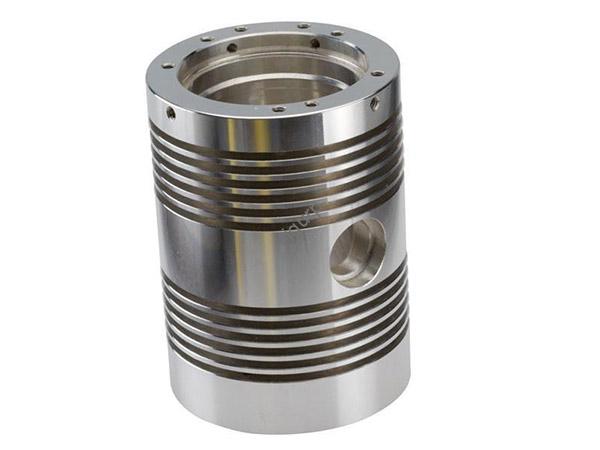
If you need a material that delivers reliable strength, hardness, and machinability for medium-to-high stress applications, SK7 structural steel is a versatile and cost-effective choice. This high-carbon alloy steel is designed to excel in mechanical engineering, automotive manufacturing, and heavy industries. Its carefully tuned composition provides a balance of durability and workability that outperforms low-carbon steels without the premium cost of high-end alloys. This guide will break down its key properties, real-world uses, manufacturing processes, and how it compares to other materials, helping you select it for projects that demand reliability and performance.
What Makes SK7 a Balanced High-Carbon Steel?
The performance of SK7 stems from its optimized composition and heat-treatable nature. It is engineered to provide a balance of mechanical strength with practical workability for a wide range of applications.
Chemical Composition
SK7’s formula prioritizes strength and hardness while retaining usability. The carbon content is the primary driver of its properties.
| Element | Content Range (%) | Key Role |
|---|---|---|
| Carbon (C) | 0.60 – 0.70 | Drives hardness and tensile strength, forming hard carbides for excellent wear resistance. |
| Manganese (Mn) | 0.50 – 0.80 | Enhances hardenability and tensile strength without causing excessive brittleness. |
| Vanadium (V) | 0.05 – 0.15 | Refines the grain size, improving impact toughness and fatigue resistance. |
| Chromium (Cr) | 0.10 – 0.30 | A trace addition that boosts corrosion resistance and hardenability. |
| Silicon (Si) | 0.15 – 0.35 | Aids in deoxidation during manufacturing and stabilizes mechanical properties. |
| Sulfur (S) | ≤ 0.03 | Kept ultra-low to maintain toughness and avoid cracking during forming or welding. |
Mechanical Properties After Heat Treatment
After standard heat treatment (quenching and tempering), SK7 delivers reliable performance for medium-stress applications. The “after heat treatment” values are where the material’s true potential is realized.
| Property | Typical Value | Why It Matters for Your Project |
|---|---|---|
| Tensile Strength | 900 – 1100 MPa | 30–50% higher than low-carbon steels, ideal for load-bearing parts like shafts and gears. |
| Yield Strength | 650 – 800 MPa | Ensures parts resist permanent deformation under heavy loads, a key safety factor. |
| Hardness (HRC) | 50 – 55 (after heat treatment) | Provides excellent wear resistance for components that experience friction. |
| Elongation | 12 – 18% | Offers enough ductility to form complex shapes like gears without cracking. |
| Fatigue Resistance | 400 – 500 MPa (10⁷ cycles) | Critical for dynamic parts like gears or suspension components that face repeated stress. |
| Impact Toughness | 30 – 45 J/cm² (at 20°C) | Sufficient for non-extreme cold environments, providing good resistance to shock loads. |
Where Is SK7 Structural Steel Used?
SK7’s versatility makes it ideal for industries where strength, precision, and durability are non-negotiable. Its ability to be heat-treated to high hardness while retaining good machinability is a key advantage.
Mechanical Engineering and Power Transmission
This is a core application area for SK7. Its combination of strength and fatigue resistance makes it a reliable choice for critical machine components.
- Shafts: A machinery manufacturer used low-carbon steel for conveyor gear shafts but faced frequent fatigue failure after 5,000 hours. Switching to SK7 extended shaft life to 12,000 hours—a 140% improvement—cutting replacement costs by $18,000 annually. SK7’s tensile strength handles rotational loads, and its fatigue resistance prevents failure from repeated stress.
- Gears: Medium-load gearboxes for conveyor systems use SK7. Its hardness (50–55 HRC) resists tooth wear, while its ductility allows for precision gear shaping.
- Bearings: Small industrial bearing races made from SK7 benefit from its wear resistance, extending bearing life by 20% compared to low-carbon steels.
Automotive Components
The automotive industry uses SK7 for parts that require a balance of wear resistance, strength, and machinability.
- Timing Gears: A mid-size automotive supplier faced gear tooth wear after 80,000 km and high machining costs with low-alloy steel. Switching to SK7 extended gear life to 150,000 km—an 87% improvement—reducing warranty claims by $300,000 annually. Additionally, SK7’s good machinability cut CNC machining time by 15%, saving $60,000 monthly in labor costs.
- Transmission Parts: Synchronizer rings benefit from SK7’s hardness for smooth gear shifts and wear resistance for reduced maintenance.
- Suspension Components: Shock absorber rods use SK7 for its toughness to resist road vibrations and its machinability for precise thread cutting.
Construction and Heavy Machinery
For smaller-scale structural and machinery applications, SK7 offers a cost-effective alternative to higher-priced alloy steels.
- Structural Beams: Small industrial building beams use SK7 for its strength to support 5–10 ton overhead loads, and its formability allows for curved designs in aesthetic structures.
- Heavy Machinery Parts: Excavator bucket pins made from SK7 benefit from its wear resistance, extending pin life by 1.5 times compared to low-alloy steels when dealing with dirt and rock abrasion.
How Is SK7 Structural Steel Manufactured?
Producing SK7 requires precision to balance its strength and workability. The heat treatment process is particularly critical to unlocking its final properties.
Steelmaking and Hot Working
The process begins with creating a clean, uniform material and shaping it.
- Steelmaking: The steel is typically melted in an Electric Arc Furnace (EAF) to precisely control the carbon and vanadium content. Continuous casting is used for large volumes, while ingot casting is used for small batches.
- Hot Rolling and Forging: The steel is heated to 1100–1200°C and hot rolled into plates, bars, and coils. For complex shapes like gear blanks, hot forging is used to improve material density and strength.
- Annealing: After hot working, the steel is annealed (heated to 700–750°C and cooled slowly) to reduce hardness to HB 200–250. This softens the material, making it ready for machining.
Heat Treatment (The Key to Performance)
Heat treatment is the critical step that transforms SK7 from a machinable material into a hard, strong, and wear-resistant component.
- Quenching and Tempering: The machined part is heated to 820–860°C, rapidly cooled in water to harden it (HRC 58–62), and then tempered at 400–500°C. This final step reduces brittleness and sets the target hardness of HRC 50–55, optimizing strength and toughness for high-stress parts.
- Surface Hardening: For parts like gear teeth that need extra wear resistance, high-frequency induction heating is used to harden only the surface to HRC 55–60, while the core remains tough.
SK7 Structural Steel vs. Other Materials
Choosing the right material involves balancing strength, cost, and workability. This comparison shows where SK7 fits best.
| Material | Relative Cost | Tensile Strength (MPa) | Hardness (HRC) | Machinability | Best Application |
|---|---|---|---|---|---|
| SK7 Structural Steel | 100% | 900 – 1100 | 50 – 55 | Good | Medium-stress mechanical parts, automotive gears, shafts |
| Low-Carbon Steel (A36) | 70% | 400 – 550 | 15 – 20 | Very Good | Low-stress structural parts, general fabrication |
| Alloy Steel (4140) | 130% | 1000 – 1200 | 55 – 60 | Fair | High-stress automotive parts like crankshafts |
| Stainless Steel (304) | 250% | 500 – 700 | 20 – 25 | Good | Corrosion-prone applications, not primary structural use |
Conclusion
SK7 structural steel offers a powerful balance of strength, hardness, and machinability for a wide range of medium-to-high stress applications. Its high carbon content (0.60–0.70%) and vanadium addition enable it to achieve a hardness of 50–55 HRC after heat treatment, providing excellent wear resistance and a tensile strength of 900–1100 MPa—30–50% higher than low-carbon steels. Real-world case studies from the automotive and machinery sectors demonstrate its ability to dramatically extend component life, reduce warranty claims, and improve machining efficiency. While it requires careful welding procedures and protective coatings for outdoor use, its combination of performance and cost-effectiveness makes it a superior choice over low-carbon steel for demanding parts like gears, shafts, and bearings, and a more economical alternative to high-alloy steels for a vast range of industrial applications.
FAQ About SK7 Structural Steel
Is SK7 suitable for outdoor construction projects like small bridges?
Yes, but with proper protection. SK7 has only moderate corrosion resistance. For outdoor use, it requires a surface treatment such as painting or galvanizing to prevent rust. For extreme coastal environments, a zinc coating is recommended to protect against saltwater damage.
Can SK7 be welded for large structural parts like building beams?
SK7 has fair weldability, but it requires careful procedures. You must preheat the steel to 200–250°C before welding to prevent cracking. After welding, a post-weld tempering treatment at 500–550°C is recommended to relieve stress and restore toughness. Use low-hydrogen electrodes for the best results.
How does SK7 compare to 4140 alloy steel for automotive parts?
SK7 is typically 30% cheaper than 4140 and has better machinability, making it ideal for medium-stress parts like timing gears. 4140 offers higher strength and better hardenability, so it is a better choice for high-stress components like engine crankshafts where cost is less critical than ultimate performance.
What is the typical hardness of SK7 after heat treatment?
After a proper quenching and tempering cycle, SK7 achieves a final hardness of 50–55 HRC (Rockwell C) . This provides an excellent balance of wear resistance and toughness for most mechanical applications. If a softer condition is needed for forming, it can be supplied in the annealed state with a hardness of about 200–250 HB.
Discuss Your Projects with Yigu Rapid Prototyping
Selecting the right grade of steel for your components is critical for long-term performance. At Yigu Rapid Prototyping, we have extensive experience working with SK7 and other structural steels. We understand the nuances of its heat treatment to achieve the precise hardness and strength your application demands, and we can provide guidance on machining and welding to ensure optimal results. Whether you are manufacturing gears, shafts, or custom machinery components, our team can help you leverage the strength and value of SK7. Contact us today to discuss your project requirements.