
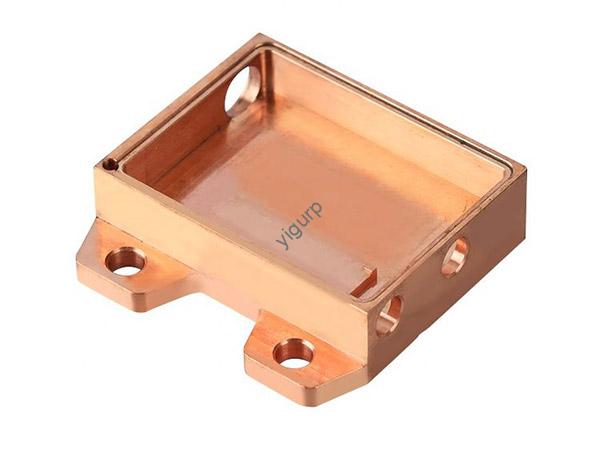
AISI D2 tool steel is a high-carbon, high-chromium, cold-work tool steel renowned for its exceptional wear resistance and good hardness. It is a member of the “D” series of tool steels, which are characterized by their high carbon and chromium content. This composition, with 1.40-1.60% carbon and 11.00-13.00% chromium, allows D2 to form a high volume of hard chromium carbides. After proper heat treatment, it achieves a hardness of 58-62 HRC and provides outstanding resistance to abrasion, making it the material of choice for long-run tooling applications such as stamping dies, forming tools, and injection mold components where wear is the primary failure mode.
Introduction
In the world of manufacturing, tool longevity directly impacts productivity and profitability. Tools that wear out quickly lead to frequent replacements, increased downtime, and inconsistent part quality. For decades, AISI D2 has been the standard solution for applications demanding high wear resistance. Its high carbon and chromium content provides a hard, durable surface that can withstand millions of cycles of contact with metal, plastic, and other abrasive materials. While it has moderate toughness and can be challenging to machine, its ability to maintain its cutting edge and dimensional accuracy over long production runs makes it an indispensable material for a vast range of tooling applications.
What Are the Key Properties of AISI D2?
The performance of AISI D2 is defined by its chemical composition and the mechanical properties achieved through its heat treatment.
Chemical Composition
The high carbon and chromium content are the defining features, creating a large volume of hard chromium carbides.
| Element | Content Range (%) | Its Role in Performance |
|---|---|---|
| Carbon (C) | 1.40 – 1.60 | Forms hard carbides with chromium, providing exceptional wear resistance. |
| Chromium (Cr) | 11.00 – 13.00 | Forms chromium carbides and enhances hardenability. |
| Vanadium (V) | 0.70 – 1.10 | Refines grain structure, improving toughness and wear resistance. |
| Molybdenum (Mo) | 0.70 – 1.20 | Increases hardenability and reduces brittleness. |
| Manganese (Mn) | 0.30 – 0.60 | Improves machinability and heat treatment response. |
| Silicon (Si) | 0.20 – 0.40 | Enhances strength during heat treatment. |
Mechanical and Physical Properties
After proper heat treatment (austenitizing, quenching, and tempering), AISI D2 achieves the properties required for demanding tooling applications.
| Property | Typical Value | Why It Matters |
|---|---|---|
| Hardness | 58 – 62 HRC | Provides excellent wear resistance for long tool life. |
| Tensile Strength | ≥ 2500 MPa | Withstands high cutting and forming forces. |
| Yield Strength | ≥ 2000 MPa | Resists permanent deformation under load. |
| Wear Resistance | 3-4x higher than AISI O1 | Significantly extends tool life in abrasive applications. |
| Impact Toughness | 15 – 25 J | Moderate; suitable for cold work but not for high-impact tools. |
| Fatigue Strength | ~900 MPa | Withstands repeated stress cycles, good for stamping dies. |
| Density | ~7.85 g/cm³ | Standard for steel. |
- Wear Resistance: This is the standout feature. The high volume of hard chromium carbides provides exceptional resistance to abrasion.
- Dimensional Stability: D2 has excellent dimensional stability during heat treatment, with minimal warping or shrinkage, making it ideal for precision tooling.
- Corrosion Resistance: It has moderate corrosion resistance, better than plain carbon steels, but not as good as stainless steel.
- Machinability: It has moderate machinability. In the annealed state (25-30 HRC), it can be machined with carbide tools.
Where Is AISI D2 Used in the Real World?
AISI D2 is used in a wide range of demanding tooling applications across many industries.
Metalworking and Stamping Dies
This is a primary application. D2 is used for stamping dies, forming tools, punches, and shearing blades.
- Case Study: A Japanese automotive supplier was using AISI O1 stamping dies for car door panels. The dies wore out after 20,000 parts .
- They switched to AISI D2 dies .
- Die life extended to 80,000 parts , a 300% increase .
- Annual grinding costs dropped from $5,000 to $1,250, saving $3,750 per year.
Plastic Injection Molds and Tooling
D2 is used for injection mold inserts, compression molds, and other components that require high wear resistance and dimensional stability.
- Case Study: A German plastic parts manufacturer was using AISI P20 mold inserts. The inserts wore out after 100,000 cycles .
- They switched to AISI D2 inserts .
- Insert life extended to 500,000 cycles , a 400% increase .
- Annual rework costs dropped from $6,000 to $1,200, saving $4,800 per year.
Cutting Tools and General Engineering
D2 is used for lathe tools, milling cutters, broaches, and cold forming tools.
- Case Study: A U.S. CNC shop was using AISI M2 milling cutters that dulled after 500 parts .
- They switched to AISI D2 cutters with a TiN coating.
- Cutter life extended to 1,800 parts , a 260% increase .
- Monthly cutter costs dropped from $1,600 to $444, saving $13,872 per year.
How Is AISI D2 Manufactured?
The manufacturing process for AISI D2 is designed to create a uniform distribution of carbides and achieve the desired hardness.
Steelmaking and Forming
- Steelmaking: It is typically made in an Electric Arc Furnace (EAF) , allowing for precise control of the high carbon and chromium content.
- Hot Rolling: The steel is hot rolled into bars, plates, and sheets.
- Forging: For complex tool shapes, the steel is forged at high temperatures.
Heat Treatment
Heat treatment is critical to achieving the desired properties.
- Austenitizing: The steel is heated to 950-1050°C to dissolve the carbides into a solid solution.
- Quenching: The steel is rapidly cooled in oil or air to form a hard martensitic structure.
- Tempering: The quenched steel is then reheated to 150-300°C to reduce brittleness while maintaining high hardness.
- Cryogenic Treatment (Optional) : Cooling to -80°C or lower can further improve hardness and dimensional stability by transforming retained austenite.
Finishing
- Machining: In the annealed state, D2 is machined using carbide tools .
- Grinding: After heat treatment, precision grinding is used to achieve final dimensions and sharp edges.
- Coating: For enhanced performance, coatings like titanium nitride (TiN) or diamond-like carbon (DLC) can be applied.
AISI D2 vs. Other Tool Steels
Comparing AISI D2 to other materials helps clarify its position as a premier cold-work tool steel.
| Material | Hardness | Wear Resistance | Toughness | Relative Cost | Best For |
|---|---|---|---|---|---|
| AISI D2 | 58 – 62 HRC | Excellent | Moderate | Medium | Long-run stamping dies, molds, cutting tools |
| AISI M2 | 60 – 65 HRC | Very Good | Moderate | High | High-speed cutting tools |
| AISI O1 | 57 – 60 HRC | Good | Moderate | Lower | Light cold work, short-run tooling |
| AISI S7 | 54 – 58 HRC | Good | Excellent | High | High-impact tools, chisels, punches |
| Tungsten Carbide | 70+ HRC | Very Excellent | Low | Very High | Ultra-high-wear applications |
Key Takeaway: AISI D2 offers the best balance of excellent wear resistance, good hardness, and moderate toughness for long-run cold work applications. It is significantly more wear-resistant than O1 and more affordable than high-speed steel for non-cutting applications. For applications requiring the highest toughness, S7 is a better choice. For applications requiring maximum wear resistance, tungsten carbide is superior, but at a much higher cost and with very low toughness.
Conclusion
AISI D2 tool steel is a high-performance material that has served as a workhorse for the tooling industry for decades. Its exceptional wear resistance, good hardness, and excellent dimensional stability make it the ideal choice for long-run stamping dies, plastic injection molds, and cutting tools. For manufacturers seeking to maximize tool life and maintain consistent part quality over high-volume production runs, AISI D2 offers a proven, reliable, and cost-effective solution.
FAQ About AISI D2 Tool Steel
Can AISI D2 be used for high-speed cutting?
It is suitable for moderate-speed cutting (up to 150 m/min for steel). For high-speed cutting (over 300 m/min), a high-speed steel like AISI M2 or a cemented carbide tool is a better choice, as these materials have superior hot hardness and can withstand the elevated temperatures generated at high cutting speeds.
Is AISI D2 difficult to machine?
It has moderate machinability. In its annealed state (softened to 25-30 HRC), it can be machined using carbide tools and appropriate cutting fluids. It is significantly more difficult to machine in its hardened state. Most machining is done in the annealed condition before heat treatment.
Does AISI D2 need a coating?
Coatings such as titanium nitride (TiN) or diamond-like carbon (DLC) are not required but are highly recommended for high-cycle tools. Coatings can boost wear resistance by 20-50% , reduce friction, and further extend tool life, making them a worthwhile investment for high-volume production.
Discuss Your Projects with Yigu Rapid Prototyping
At Yigu Rapid Prototyping, we have extensive experience working with AISI D2 and other high-performance tool steels. We understand that for long-run tooling, material selection, heat treatment, and finishing are critical to maximizing tool life. We supply AISI D2 in bars, plates, and custom-machined components, with full heat treatment services to achieve the optimal hardness and wear resistance. Our team can provide guidance on machining, grinding, and coating. Whether you are manufacturing stamping dies, injection molds, or cutting tools, we are here to help. Contact us today to discuss your project requirements.