
When your construction, automotive, or heavy equipment project demands a material that balances strength, workability, and cost—without compromising reliability—Sleipner structural steel is a proven solution. Engineered for consistent performance, it offers high tensile strength, good formability, and excellent weldability, making it a versatile choice for applications ranging from building beams to heavy machinery components. In this guide, I will walk you through its properties, applications, and how to work with it based on real project experience.
Introduction
Sleipner structural steel is a high-strength low-alloy (HSLA) steel designed for applications that require a combination of strength, toughness, and fabricability. Its composition is carefully balanced: low carbon (0.10–0.20%) ensures excellent weldability and formability, while manganese (1.20–1.60%) provides strength and hardenability. Trace amounts of chromium, molybdenum, and vanadium contribute to toughness and fatigue resistance. The result is a steel that is stronger than common structural grades like S355, yet more formable and cost-effective than ultra-high-strength steels like S690. Over the years at Yigu Rapid Prototyping, I have worked with bridge engineers, machinery manufacturers, and automotive suppliers who choose Sleipner for components that must perform reliably under heavy loads while remaining practical to fabricate. Its balance of properties makes it a go-to material for mid-to-heavy load applications.
What Makes Sleipner a Balanced Structural Steel?
Sleipner achieves its properties through a combination of low carbon content and microalloying. This approach provides high strength without sacrificing the weldability and formability needed for fabrication.
The Chemistry Behind the Performance
The chemical composition of Sleipner is designed to achieve a balance of strength, toughness, and workability.
| Element | Content Range (%) | Why It Matters |
|---|---|---|
| Carbon (C) | 0.10 – 0.20 | Low carbon ensures good weldability and cold formability. |
| Manganese (Mn) | 1.20 – 1.60 | Provides strength and hardenability. Reduces brittleness. |
| Silicon (Si) | 0.20 – 0.50 | Boosts strength and heat resistance without compromising formability. |
| Chromium (Cr) | 0.10 – 0.30 | Enhances moderate corrosion resistance and adds slight strength. |
| Molybdenum (Mo) | Trace | Improves toughness and fatigue resistance. |
| Vanadium (V) | Trace | Refines grain structure for better strength-toughness balance. |
| Phosphorus (P) / Sulfur (S) | ≤ 0.030 | Kept low to prevent weak spots, especially in welded joints. |
Key Insight: The carbon content of Sleipner (0.10–0.20%) is lower than many medium-carbon structural steels. This allows it to be welded without preheating for most thicknesses and cold formed into complex shapes without cracking.
Mechanical Properties That Matter
Sleipner’s mechanical properties are specified for applications requiring high strength with good ductility.
| Property | Typical Value | Significance |
|---|---|---|
| Tensile Strength | 700 – 800 MPa | Handles heavy loads in building frames, machinery components, and vehicle structures. |
| Yield Strength | 550 – 650 MPa | Resists permanent deformation under heavy loads. |
| Elongation | 15 – 20% | Provides enough ductility for forming and to absorb energy in dynamic loads. |
| Hardness (Brinell) | 150 – 220 HB | Soft enough for machining and forming in the as-rolled condition. |
| Fatigue Strength | 350 – 450 MPa | Resists failure from repeated stress cycles. Critical for rotating and dynamic components. |
| Impact Toughness | High | Resists sudden loads and brittle fracture. |
Case Study: A European construction firm used Sleipner beams for a 10-story residential building in Berlin. The steel’s high yield strength (600 MPa) allowed them to use thinner beams than a design using S355, cutting material weight by 18% and reducing foundation costs by $15,000. The building was completed on schedule and has performed well for over a decade.
Where Does Sleipner Deliver the Most Value?
This material is specified for applications that require higher strength than common structural grades but do not need the extreme properties or higher cost of ultra-high-strength steels.
Construction and Infrastructure
Sleipner is used in building frames, bridges, and industrial structures where strength and weight reduction are important.
- Structural beams and columns: Supports for mid-to-high-rise buildings, shopping malls, and industrial facilities.
- Bridge components: Beams and supports for pedestrian bridges, highway overpasses, and railway bridges.
- Industrial structures: Frames for factories, warehouses, and power plants.
Case Study: A bridge project in Scandinavia used Sleipner for the main support beams. The material’s high strength allowed a reduction in beam thickness, and its good weldability simplified on-site assembly. The bridge has withstood heavy winter loads and temperature fluctuations for over 15 years with no structural issues.
Mechanical Engineering and Machinery
Industrial machinery requires components that can withstand continuous operation and heavy loads.
- Machine frames: Frames for packaging machines, metal-cutting tools, and industrial presses. Sleipner’s high strength reduces vibration and improves precision.
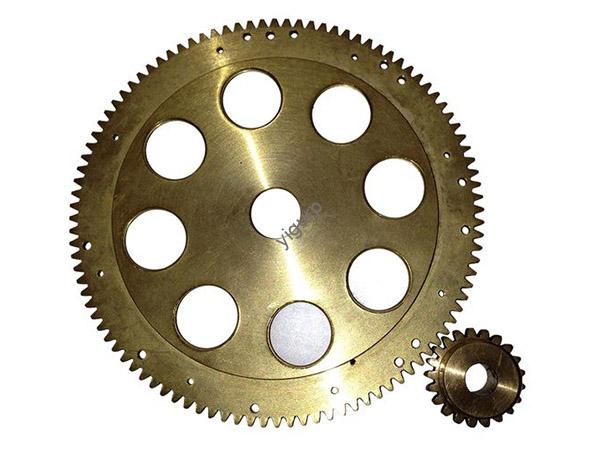
- Gears and shafts: Gears for conveyor systems and industrial equipment. Fatigue strength of 350–450 MPa resists wear from repeated rotation.
- Equipment supports: Bases and brackets for heavy machinery.
Case Study: A manufacturer of industrial packaging machines used Sleipner for the main frame of their high-speed equipment. The steel’s high strength reduced frame deflection, improving machine accuracy. The frames have operated continuously for over eight years with no structural issues.
Automotive and Heavy Vehicles
Sleipner is used in automotive applications where strength and weight reduction are priorities.
- Vehicle frames: Frames for mid-size trucks and SUVs. High strength improves crash safety without adding weight.
- Suspension components: Control arms, mounting brackets, and axles. Fatigue resistance handles rough roads and heavy loads.
- Chassis components: Cross-members and subframes.
Case Study: An automotive supplier used Sleipner for suspension components in a mid-size truck. The material’s fatigue strength of 400 MPa withstood 120,000 km of road testing with no failures. The components were 15% lighter than the previous design using S355, improving fuel efficiency.
Heavy Equipment and Marine Applications
Heavy equipment and marine structures benefit from Sleipner’s combination of strength and toughness.
- Excavator arms: Arms that resist impact from rocks and dirt.
- Crane booms: Sections that lift heavy loads.
- Ship structures: Hull supports and deck beams when galvanized for corrosion protection.
- Offshore platforms: Framing components that resist wind and waves.
How Is Sleipner Manufactured and Processed?
Sleipner is produced using standard steelmaking and rolling processes, with careful control of chemistry and cooling.
Steelmaking
Sleipner is typically produced in an electric arc furnace (EAF) for precise composition control, or a basic oxygen furnace (BOF) for large-scale production. Microalloying elements such as vanadium and molybdenum are added during steelmaking.
Rolling and Heat Treatment
- Hot rolling: Steel is heated to 900–1,200°C and rolled into plates, bars, and beams. This is the primary method for structural components.
- Cold rolling: For precision parts requiring smooth surfaces and tight tolerances.
- Normalizing: Heat to 850–900°C, air cool. Refines grain structure and reduces internal stress. Used for structural beams that need uniform strength.
- Quenching and tempering: Heat to 820–860°C, water or oil quench; temper at 500–600°C. Boosts tensile strength to 800 MPa for high-stress parts such as crane axles.
- Stress relief annealing: Heat to 550–650°C after welding. Prevents warping and reduces residual stress.
Fabrication
Sleipner is designed for fabrication with standard equipment.
- Welding: Good weldability. For sections up to 15 mm thick, no preheating is required. For thicker sections, preheat to 100–150°C.
- Cold forming: Excellent formability. Can be cold bent and shaped without cracking.
- Machining: Good machinability in the as-rolled condition. Standard carbide or high-speed steel tools work well.
Surface Treatment
For outdoor and corrosive environments, surface treatment is required.
- Galvanizing: Hot-dip galvanizing provides corrosion protection for marine and outdoor applications.
- Painting: Epoxy or polyurethane paints protect against atmospheric corrosion.
- Shot blasting: Prepares surfaces for coating by removing scale and rust.
How Does Sleipner Compare to Other Materials?
Understanding the trade-offs between Sleipner and alternative materials helps in making an informed selection.
| Material | Tensile Strength (MPa) | Yield Strength (MPa) | Relative Cost | Best For |
|---|---|---|---|---|
| Sleipner | 700 – 800 | 550 – 650 | 100% | Beams, gears, axles, heavy machinery |
| S355 | 490 – 630 | 355 | 80% | Low-load buildings, general construction |
| S460 | 460 – 590 | 460 | 110% | Medium-load bridges, industrial structures |
| S690 | 690 – 820 | ≥ 690 | 160% | Heavy industrial use, offshore platforms |
| 6061-T6 Aluminum | 310 | 276 | 220% | Lightweight applications |
Key Insights:
- Compared to S355, Sleipner offers approximately 40% higher tensile strength for a 20% cost premium. For applications requiring higher strength or weight reduction, this upgrade is often justified.
- Compared to S690, Sleipner is significantly less expensive and easier to fabricate, while still offering good strength for most applications. Choose Sleipner for mid-to-heavy loads; choose S690 for extreme loads.
- Compared to aluminum, Sleipner offers more than double the tensile strength at approximately half the cost, though aluminum is lighter. For load-bearing applications where weight is not the only constraint, Sleipner is more cost-effective.
What About Corrosion Protection?
Sleipner has moderate corrosion resistance. For indoor applications in dry environments, no additional protection is needed. For outdoor applications, coastal environments, or exposure to moisture, surface treatment is required:
- Galvanizing: Provides long-term protection for marine and outdoor structures.
- Painting: Epoxy or polyurethane coatings protect against atmospheric corrosion.
- Shot blasting: Prepares surfaces for coating by removing scale and rust.
Conclusion
Sleipner structural steel is a versatile, cost-effective material for mid-to-heavy load applications. Its combination of high tensile strength (700–800 MPa), good yield strength (550–650 MPa), excellent weldability, and good formability makes it suitable for a wide range of applications, including building frames, bridge components, machinery parts, and automotive components. For projects requiring higher strength than common structural grades without the complexity and cost of ultra-high-strength steels, Sleipner is a proven, reliable choice.
FAQ About Sleipner Structural Steel
Can Sleipner be used in saltwater environments such as offshore platforms?
Yes, with proper surface treatment. Sleipner has moderate corrosion resistance and requires galvanizing or epoxy coating for saltwater exposure. Without treatment, it will corrode over time. With hot-dip galvanizing, Sleipner components can last 20 years or more in marine environments.
What heat treatment is best for Sleipner machine shafts?
Quenching and tempering is ideal. Heat to 820–860°C, quench in water or oil, then temper at 500–600°C. This raises tensile strength to 750–800 MPa and hardness to 200–220 HB, making shafts resistant to wear and bending while maintaining good toughness.
Is Sleipner more expensive than regular carbon steel?
Yes, Sleipner typically costs 12–20% more than standard structural steel like S355. However, its higher strength allows the use of thinner sections, so total material weight and project costs often end up similar to or lower than using lower-strength steel. For weight-sensitive applications, the cost premium is often offset by material savings.
Can Sleipner be welded without preheating?
For sections up to 15 mm thick, no preheating is required. For thicker sections, preheating to 100–150°C is recommended to prevent hydrogen cracking. Use low-hydrogen welding consumables for best results. Sleipner’s low carbon content (0.10–0.20%) provides good weldability compared to higher-carbon grades.
Discuss Your Projects with Yigu Rapid Prototyping
Selecting the right structural steel for mid-to-heavy load applications requires balancing strength, formability, weldability, and cost. At Yigu Rapid Prototyping, we help construction firms, machinery manufacturers, and automotive suppliers navigate these decisions with practical, experience-based guidance. Whether you need Sleipner for building frames, machine components, or heavy equipment, we can provide material sourcing, fabrication support, and coating recommendations. Contact us to discuss your project requirements and find the right solution.