
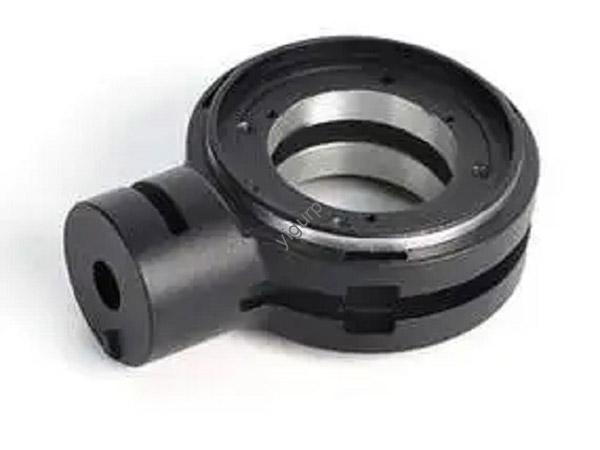
If you’re working on projects that demand wear resistance, high-temperature stability, and mechanical strength—like aircraft engine parts, heavy-duty gears, or mining machinery—Silchrome structural steel is a standout choice. Named for its key alloying elements silicon and chromium, this low-alloy steel balances durability and processability better than many standard carbon steels. This guide covers its properties, applications, and manufacturing process.
What are the key properties of Silchrome steel?
Silchrome’s performance comes from its carefully calibrated alloy mix. Silicon boosts thermal stability, while chromium enhances corrosion and wear resistance.
Chemical composition
Silchrome follows industry standards for low-alloy structural steels, with alloy ratios tailored for high performance.
| Element | Content Range (%) | Key Function |
|---|---|---|
| Silicon (Si) | 0.80 – 1.20 | Critical for thermal stability, strengthens steel matrix |
| Chromium (Cr) | 0.50 – 1.00 | Enhances wear resistance, provides mild corrosion resistance |
| Carbon (C) | 0.35 – 0.45 | Balances strength and ductility |
| Manganese (Mn) | 0.80 – 1.20 | Improves workability, enhances tensile strength |
| Sulfur (S) | ≤ 0.030 | Minimized to prevent brittleness |
| Phosphorus (P) | ≤ 0.030 | Limited to avoid cold brittleness |
Physical properties
These traits make Silchrome ideal for high-temperature and heavy-wear environments.
- Density: 7.85 g/cm³ – standard for structural steel
- Melting point: 1,480–1,530°C – higher than low-carbon steel
- Thermal conductivity: 42 W/(m·K) at 20°C – good thermal stability at 300–500°C
- Specific heat capacity: 460 J/(kg·K) – handles temperature swings without warping
- Magnetic properties: Ferromagnetic – useful for industrial sorting
Mechanical properties
Silchrome’s mechanical strength is tailored for high-stress, high-wear applications after quenching and tempering.
| Property | Typical Value | Why It Matters |
|---|---|---|
| Tensile strength | 850–1,050 MPa | Handles intense pulling forces |
| Yield strength | ≥ 650 MPa | Resists permanent deformation under heavy loads |
| Hardness | 240–300 Brinell (tempered); up to 55 HRC (surface-hardened) | Balances machinability and wear resistance |
| Ductility | ≥ 15% elongation | Flexible enough for hot forging |
| Impact toughness | ≥ 35 J at -20°C | Good for moderate cold environments |
| Fatigue resistance | ~400 MPa | Endures repeated stress |
| Wear resistance | High | Outperforms carbon steel by 30–40% |
Rolls-Royce switched from standard alloy steel to Silchrome for turbine blade retainers in Trent XWB engines. The original retainers softened at 420°C, causing blade misalignment. Silchrome retained strength at 450°C. Lifespan increased from 5,000 to 15,000 flight hours, and engine maintenance intervals doubled.
Other key properties
- Corrosion resistance: Moderate. Chromium oxide layer resists rust in dry or indoor environments. Needs coating for saltwater or humid conditions.
- Weldability: Moderate. Requires preheating to 150–200°C for thick sections. Post-weld annealing prevents cracking.
- Machinability: Good. Use carbide tools and coolants. Tempered Silchrome machines as easily as medium-carbon steel.
- Formability: Moderate. Best for hot forging. Cold forming may require annealing.
- Thermal stability: Excellent. Retains 80% of strength at 400°C.
Where is Silchrome structural steel used?
Silchrome’s mix of strength, wear resistance, and thermal stability makes it indispensable for high-performance industries.
Aerospace industry
- Engine parts: Rolls-Royce uses Silchrome for turbine blade retainers. Thermal stability resists softening at 450°C.
- Landing gear: Boeing uses Silchrome for small landing gear linkages. Fatigue resistance endures repeated takeoff and landing stress.
- Fasteners: Airbus uses Silchrome bolts for engine casings. Corrosion resistance protects against engine oil and humidity.
Mechanical engineering
- Gears: Caterpillar uses Silchrome for heavy-duty mining conveyor gears. Wear resistance outlasts carbon steel gears by 2 years.
- Bearings: SKF uses Silchrome for large industrial bearing races. Hardness at 280 Brinell resists metal-on-metal contact.
- Shafts: Siemens uses Silchrome for generator shafts. Tensile strength at 950 MPa handles high torque.
Automotive industry
- Engine components: Ford uses Silchrome for diesel engine piston rings. Thermal stability resists combustion heat, preventing wear.
- Axles: Daimler uses Silchrome for heavy-truck rear axles. Yield strength at 650 MPa handles 50+ ton loads.
- Suspension: Porsche uses Silchrome for high-performance suspension links. Strength-to-weight ratio improves handling.
Other applications
- Mining equipment: Komatsu replaced carbon steel with Silchrome for shovel bucket teeth. Wear resistance lasts 3 times longer.
- Power generation: General Electric uses Silchrome for gas turbine heat shields. Thermal stability resists 480°C temperatures.
- Railway vehicles: Alstom uses Silchrome for train brake discs. Thermal stability handles brake heat, reducing replacement frequency.
How is Silchrome manufactured?
Producing Silchrome requires precise control of alloying and heat treatment to unlock its full performance.
Steelmaking and hot working
- Steelmaking: Electric arc furnace melts scrap steel at 1,600°C. Silicon, chromium, and alloys are added. Vacuum degassing removes hydrogen and nitrogen to prevent cracking.
- Hot rolling: Slabs heat to 1,150–1,250°C and roll into bars, rods, or plates.
- Hot forging: For complex parts like gears and shafts, Silchrome heats to 900–1,000°C and shapes with dies.
Heat treatment
Heat treatment is key to tailoring Silchrome’s properties for specific uses.
| Process | Temperature | Result |
|---|---|---|
| Quenching and tempering | 830–870°C, oil/water quench, then 500–600°C | Boosts strength and toughness |
| Annealing | 800–850°C, slow cool | Softens steel for machining or cold forming |
| Surface hardening | Nitriding or carburizing | Raises surface hardness to 50–55 HRC for wear resistance |
Machining and finishing
- Precision machining: CNC milling and turning shape Silchrome into high-tolerance parts. Use carbide tools and coolants to manage heat.
- Surface treatment: For corrosion-prone projects, add ceramic coating or zinc-aluminum coating to boost rust resistance.
How does Silchrome compare to other materials?
Understanding how Silchrome stacks up helps with material selection.
Comparison with other steels
| Material | Tensile Strength (MPa) | Wear Resistance | Cost vs. Silchrome | Best For |
|---|---|---|---|---|
| Silchrome | 850–1,050 | 130–140% | 100% | High-wear, high-temp parts |
| Carbon steel (S45C) | 600–750 | 100% | 70% | Low-stress parts like brackets |
| Stainless steel (304) | 515 | 120% | 300% | Corrosive environments |
| High-strength steel (S690) | 770–940 | 110% | 120% | Heavy-load structural parts |
Comparison with non-metallic materials
- Aluminum alloy (7075): Lighter at 2.7 g/cm³ but weaker at 570 MPa tensile strength. Use Silchrome for high-stress, high-wear parts.
- Carbon fiber: Stronger at 3,000 MPa but 8 times more expensive and brittle at high temperatures. Use for aerospace lightweight parts.
- Ceramics: More wear-resistant but brittle and expensive. Use for small, low-load parts; Silchrome for large, load-bearing components.
Key takeaways:
- Silchrome offers better wear resistance and thermal stability than carbon steel
- It costs 60% less than stainless steel while outperforming it in high-wear applications
- For high-performance projects where failure isn’t an option, Silchrome is a strong choice
Conclusion
Silchrome structural steel delivers excellent wear resistance, high-temperature stability, and mechanical strength for demanding applications. Its silicon and chromium content provide thermal stability up to 450°C and wear resistance 30–40% better than carbon steel. For aerospace components, heavy-duty gears, mining equipment, and performance automotive parts, it offers reliable performance at a reasonable cost. While it requires proper heat treatment and welding procedures, its durability often cuts long-term maintenance costs by 40–50%.
FAQ
Can Silchrome be used in saltwater environments?
No, not without protection. Its moderate corrosion resistance works for dry or indoor use. Saltwater will cause rust. For marine applications, add a zinc-aluminum coating or use stainless steel instead.
Is Silchrome difficult to machine?
No, but it needs the right tools. Use carbide cutting tools and coolants. Tempered Silchrome at 240–300 Brinell machines as easily as medium-carbon steel. Avoid machining surface-hardened Silchrome over 50 HRC without specialized tools.
When should I choose Silchrome over stainless steel?
Choose Silchrome if you need better wear resistance and thermal stability at a lower cost. Stainless steel like 304 is better for corrosive environments, but Silchrome outperforms it in high-wear, high-temperature projects like gears and engine parts while costing about 60% less.
Does Silchrome require preheating before welding?
For sections under 10 mm, preheating is optional. For thicker sections over 10 mm, preheat to 150–200°C to prevent cracking. Post-weld annealing at 600–650°C helps relieve stress.
What hardness range works best for Silchrome parts?
Tempered Silchrome at 240–300 Brinell balances strength and machinability. For wear-critical surfaces like gear teeth, surface hardening to 50–55 HRC through nitriding or carburizing provides maximum abrasion resistance.
Discuss Your Projects with Yigu Rapid Prototyping
At Yigu Rapid Prototyping, we supply Silchrome structural steel for aerospace, mining, and heavy-duty industrial applications. Our material delivers consistent wear resistance and thermal stability, and we offer custom heat treatment and surface coatings to match your requirements. Contact us to discuss your next high-performance project.