
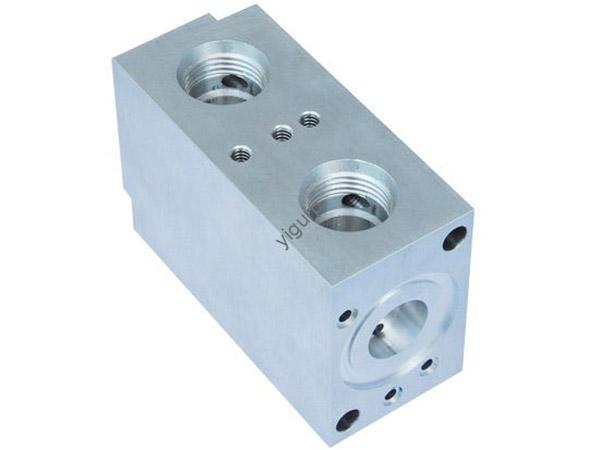
If you work in hot forging, plastic injection molding, or aerospace component manufacturing, you need a tool steel that can handle intense heat and heavy wear without failing. SKD61 hot work tool steel is a top choice for these demanding applications. It is designed to maintain its strength and hardness even at high temperatures, making it a reliable workhorse for tools that shape metal and plastic under extreme conditions. This guide will break down its key properties, real-world applications, manufacturing methods, and how it compares to other materials, with practical examples to help you make informed decisions.
What Makes SKD61 the Go-To Hot Work Steel?
SKD61’s ability to perform under heat and stress starts with its carefully balanced composition. It is engineered to resist softening, wear, and cracking in the most punishing environments.
Chemical Composition
Every element in SKD61 plays a specific role in its high-temperature performance. The combination of chromium, molybdenum, and vanadium is key to its hot hardness.
| Element | Content Range (%) | Key Role |
|---|---|---|
| Carbon (C) | 0.35 – 0.45 | Provides a foundation for hardness and strength without making the steel brittle. |
| Chromium (Cr) | 4.75 – 5.50 | Boosts wear resistance and helps retain strength at high temperatures. |
| Molybdenum (Mo) | 1.10 – 1.75 | A primary contributor to hot hardness—the ability to stay hard at elevated temperatures. |
| Vanadium (V) | 0.80 – 1.20 | Refines the grain structure, improving toughness and wear resistance. |
| Manganese (Mn) | 0.20 – 0.60 | Improves hardenability and reduces brittleness during forming. |
| Silicon (Si) | 0.15 – 0.35 | Enhances strength and heat resistance. |
Mechanical Properties After Heat Treatment
The true potential of SKD61 is unlocked through a precise heat treatment process. The following values are typical for the quenched and tempered condition.
| Property | Typical Value | Why It Matters for Your Tools |
|---|---|---|
| Hardness (HRC) | 58 – 62 | This high hardness ensures excellent wear resistance and edge retention for dies and molds. |
| Hot Hardness | Retains 50+ HRC at 600°C | It stays hard even when red-hot, which is critical for forging and extrusion dies. |
| Tensile Strength | 1800 – 2000 MPa | Handles the extreme pressures of hot stamping without failing. |
| Yield Strength | 1400 – 1600 MPa | Resists permanent deformation, keeping tool dimensions accurate under load. |
| Impact Toughness | Moderate to High | Offers good resistance to cracking from sudden impacts or thermal shock. |
| Fatigue Strength | 700 – 800 MPa | Withstands repeated stress cycles, extending tool life in high-volume production. |
Where Is SKD61 Hot Work Tool Steel Used?
SKD61’s combination of heat resistance, wear resistance, and toughness makes it essential across several industries.
Hot Working Tools
This is SKD61’s primary domain. It excels in tools that shape metal at high temperatures.
- Hot Forging Dies: A Japanese automotive supplier used SKD61 for hot forging dies to produce engine connecting rods. The dies lasted 30% longer than those made from cheaper tool steels, cutting replacement costs by $20,000 per year. The steel’s high hot hardness allowed it to withstand the repeated heating and impact of forging steel billets.
- Hot Extrusion Dies: Used to push hot aluminum or brass through openings to create rods, tubes, and profiles for window frames and structural components.
- Hot Stamping Tools: These tools form high-strength steel for car bodies, such as crash-resistant door beams. SKD61’s toughness prevents cracking under the high pressure of stamping ultra-strong materials.
Plastic Injection Molding
While classified as a hot work steel, SKD61 is also widely used in plastic molding, especially for high-volume production.
- Molds for Plastic Parts: Its high wear resistance allows molds to produce millions of parts—like electronic casings or automotive interior components—without degrading. Its good machinability also allows for the creation of complex mold cavities before hardening.
Aerospace and Mechanical Engineering
The aerospace and heavy machinery industries rely on SKD61 for tooling that shapes high-strength materials.
- Aerospace Tooling: Dies for shaping titanium and nickel-alloy components, which require high forming temperatures. SKD61’s ability to retain its strength at these temperatures is critical for maintaining part precision.
- High-Wear Machine Parts: Gears, shafts, and bearings that face constant friction and moderate heat benefit from SKD61’s wear and fatigue resistance.
How Is SKD61 Hot Work Tool Steel Manufactured?
Turning raw SKD61 into a high-performance tool requires a series of precise steps, with heat treatment being the most critical.
Steelmaking, Rolling, and Machining
The process begins with creating a clean, uniform material and shaping it while it is workable.
- Melting: The steel is melted in an Electric Arc Furnace (EAF) , and the precise alloying elements like chromium, molybdenum, and vanadium are added.
- Rolling: The steel is hot rolled at 900–1,100°C into bars, plates, and blocks. For smaller, precision parts, cold rolling is used for a smoother surface finish.
- Machining: SKD61 is typically machined into its rough shape before heat treatment while it is in its soft, annealed state. This allows for easier cutting and drilling.
Heat Treatment (The Critical Step)
Heat treatment is essential to unlock SKD61’s final properties. The process involves three key stages:
- Annealing: The steel is heated to 800–850°C and cooled slowly. This softens the material for initial machining.
- Quenching: The machined tool is heated to 1,020–1,050°C and then rapidly cooled in oil or air. This hardens the steel to over 60 HRC.
- Tempering: The quenched tool is reheated to 500–600°C and then cooled. This step reduces brittleness while maintaining high hardness, setting the final target of 58–62 HRC and developing the steel’s characteristic hot hardness.
Surface Treatment
To further enhance performance, SKD61 tools often receive surface treatments.
- Nitriding: This chemical process adds nitrogen to the surface, creating a very hard case (up to 65–70 HRC) that dramatically improves wear resistance for forging dies.
- Coating (PVD/CVD): A thin, hard layer like titanium nitride is applied to reduce friction and wear, which is especially beneficial for plastic injection molds.
SKD61 vs. Other Materials
Selecting the right tool steel involves balancing hot hardness, wear resistance, and cost. This comparison shows where SKD61 fits best.
| Material | Relative Cost | Hot Hardness (at 600°C) | Wear Resistance | Best Application |
|---|---|---|---|---|
| SKD61 Hot Work Steel | 100% | High (50+ HRC) | Excellent | Hot forging dies, extrusion dies, high-temp molds |
| A2 Tool Steel | 70% | Low (drops to 35 HRC) | Good | Cold stamping dies |
| D2 Tool Steel | 90% | Low (drops to 40 HRC) | Excellent | Cold cutting tools, long-run cold forming |
| H13 Tool Steel | 110% | High (50+ HRC) | Excellent | Similar to SKD61, often for very large dies |
| 440C Stainless | 85% | Low (drops to 30 HRC) | Good | Corrosion-resistant tools for cold applications |
Conclusion
SKD61 hot work tool steel is a proven, reliable material for the most demanding high-temperature tooling applications. Its carefully balanced composition, featuring chromium, molybdenum, and vanadium, provides the foundation for its exceptional properties. Through precise heat treatment—quenching and tempering—it achieves a working hardness of 58–62 HRC and maintains over 50 HRC at temperatures up to 600°C. This superior hot hardness, combined with excellent wear resistance and good toughness, makes it the ideal choice for hot forging dies, extrusion dies, and high-volume plastic injection molds. Real-world examples, such as a Japanese automotive supplier achieving 30% longer die life, demonstrate its cost-effectiveness and reliability. While it requires careful heat treatment and is best machined in its annealed state, its unmatched performance under heat and stress makes it a superior, cost-effective investment for long-term, high-production environments.
FAQ About SKD61 Hot Work Tool Steel
Can SKD61 be used for cold working tools like cold stamping dies?
Yes, technically it can be used, but it is not the most economical choice. For cold working applications, tool steels like A2 or D2 are typically less expensive and offer similar or better wear resistance at room temperature. SKD61’s primary value lies in its superior performance at high temperatures.
What is the maximum operating temperature for SKD61?
SKD61 is designed to retain its hardness (50+ HRC) up to approximately 600°C. It can tolerate brief exposures to 700°C, but continuous operation above 600°C will lead to accelerated softening and a reduced tool lifespan.
Is SKD61 difficult to weld?
SKD61 has fair weldability, but it requires careful procedures. Because of its high carbon and alloy content, it is prone to cracking if welded improperly. You must pre-heat the tool to 250–400°C before welding and then perform a post-weld stress relief annealing at 600–650°C to prevent cracking and restore the material’s properties.
How does SKD61 compare to H13 tool steel?
SKD61 and H13 are very similar. They have nearly identical chemical compositions and mechanical properties. H13 is the American equivalent grade (AISI H13). In practice, they are often interchangeable. The main difference can be in cost and availability depending on your region, with SKD61 being the standard designation in Japan and parts of Asia.
Discuss Your Projects with Yigu Rapid Prototyping
Selecting the right material for high-temperature tooling is only the first step. At Yigu Rapid Prototyping, we have extensive experience working with SKD61 and other hot work tool steels. We understand the critical nuances of its heat treatment—ensuring the correct quenching and tempering cycles to achieve the ideal balance of hardness and toughness for your specific application. We also offer advanced surface treatments like nitriding and PVD coating to further extend tool life. Whether you are developing a hot forging die for automotive components or a high-volume injection mold for consumer products, our team can help you engineer a solution that delivers maximum performance and longevity. Contact us today to discuss your project requirements.