
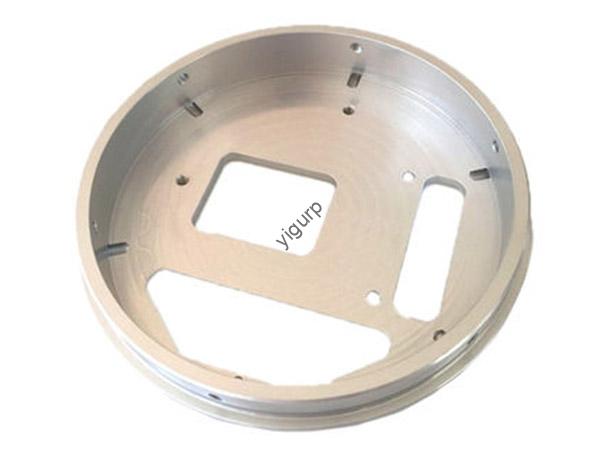
High carbon high chromium steel is a material built for extreme wear and heavy stress. If your equipment faces constant abrasion, high impact, or the need for a long service life, this family of steels deserves your attention. This guide explains what it is, why it performs so well, where it works best, and how to choose the right type for your application.
What Makes High Carbon High Chromium Steel Unique?
This steel’s identity lies in its name. It contains high levels of both carbon and chromium. Together, these two elements create a structure that is exceptionally hard and resistant to wear.
How Does the Chemical Composition Work?
The performance starts with a precise blend of elements. The table below shows the typical composition and the role each element plays.
| Element | Content Range (%) | What It Does |
|---|---|---|
| High Carbon (C) | 1.0 – 2.0 | Forms hard carbides that provide wear resistance. It also boosts overall hardness and strength. |
| High Chromium (Cr) | 12.0 – 18.0 | Creates a protective oxide layer for corrosion resistance. It also forms chromium carbides, adding to wear resistance. |
| Manganese (Mn) | 0.3 – 1.0 | Improves tensile strength and reduces brittleness after heat treatment. |
| Silicon (Si) | 0.1 – 0.8 | Aids in deoxidation during steelmaking and boosts strength at higher temperatures. |
| Molybdenum / Vanadium | 0.2 – 1.0 | Refines the grain structure, improving fatigue resistance for parts like springs and bearings. |
What Are the Key Mechanical Properties?
After proper heat treatment, this steel delivers reliable, high-performance numbers.
- Hardness: 58-65 HRC. This range is ideal for cutting tools that must stay sharp and dies that resist indentation.
- Tensile Strength: 1200-1800 MPa. It can handle heavy loads, making it suitable for automotive gears and shafts.
- Yield Strength: 900-1500 MPa. The material resists permanent deformation even under significant stress.
- Impact Toughness: 20-40 J at room temperature. It provides enough toughness for cold work tools that may experience sudden shocks.
- Fatigue Resistance: 400-600 MPa (at 10⁷ cycles). This allows bearings and rotating parts to withstand repeated stress without cracking.
What Other Properties Matter?
- Excellent Wear Resistance: The combination of high carbon and high chromium creates a dense network of hard carbides. This structure resists abrasion from sand, metal shavings, and other hard particles.
- Good Corrosion Resistance: The high chromium content forms a passive layer that provides moderate rust protection. This is a key advantage for agricultural equipment stored outdoors.
- High-Temperature Strength: It retains useful hardness up to about 400°C. This makes it suitable for warm forging dies that contact hot metal intermittently.
- Weldability with Care: Welding is possible but requires pre-heating and slow cooling to prevent cracking due to the high carbon content.
Where Is High Carbon High Chromium Steel Used?
The unique balance of hardness, wear resistance, and moderate toughness makes this steel a standard in several industries.
Which Cutting and Forming Tools Rely on It?
- Cutting Tools: Drills, lathe tools, and milling cutters use its high hardness to cut through metal without dulling quickly.
- Cold Work Dies: Stamping dies for metal sheets and forming dies for fasteners rely on its wear resistance to maintain precision over millions of cycles.
- Hot Work Tools: Forging dies for warm metal benefit from its retained strength at elevated temperatures.
What About Automotive and Heavy Machinery?
- Automotive Components: Bearings, gears, and springs depend on its fatigue resistance to last through years of continuous operation.
- Agricultural Machinery: Plowshares, harrows, and cultivator points use its wear resistance to handle soil, rocks, and abrasive field conditions.
- Mechanical Parts: Industrial rollers and heavy-duty shafts rely on its strength to carry heavy loads without deforming.
Real-World Case Study: A metal fabrication company used a high carbon high chromium steel grade (1.5% C, 15% Cr) for cold forming dies. These dies stamped 10,000 metal brackets daily. After eight months of use, the dies showed almost no measurable wear. In contrast, their previous low alloy steel dies required replacement every two months. The switch eliminated unplanned downtime and saved the company an estimated $80,000 annually in die replacements and lost production time.
How Is High Carbon High Chromium Steel Manufactured?
Producing this steel requires precise control to achieve the desired carbide structure and final properties.
What Are the Primary Production Steps?
- Melting: The process typically starts in an Electric Arc Furnace (EAF) . Scrap steel, carbon, and chromium alloys are melted at high temperatures. This method allows for tight control over the chemical composition.
- Casting and Rolling: The molten steel is cast into ingots or continuous slabs. It is then hot rolled at around 1100-1200°C to break down the initial cast structure and form it into bars or plates.
- Annealing (Softening): The steel is heated to 800-850°C and then cooled slowly. This process, called annealing, softens the material to about 20-25 HRC. In this soft state, it can be machined, drilled, or shaped into a final tool form.
- Machining: Toolmakers use CNC machines and carbide tooling to cut the annealed steel into the desired shape, such as the cavity of a die or the flutes of a cutting tool.
- Heat Treatment (Hardening): This is the critical final step.
- Quenching: The machined tool is heated to 950-1050°C and then cooled rapidly in oil or air. This transforms the structure to a very hard, brittle state.
- Tempering: The tool is then reheated to 180-300°C. This relieves internal stresses and improves toughness, achieving the final balance of 58-65 HRC.
- Surface Treatment (Optional): For added performance, tools may receive a surface treatment. A titanium nitride (TiN) coating reduces friction on cutting tools. Chromium plating adds an extra layer of corrosion protection for parts exposed to moisture.
High Carbon High Chromium Steel vs. Other Materials
Choosing the right material means understanding trade-offs. This comparison helps clarify where this steel fits.
| Material | Hardness (HRC) | Wear Resistance | Corrosion Resistance | Relative Cost | Best Application |
|---|---|---|---|---|---|
| High Carbon High Chromium Steel | 58-65 | Excellent | Good | 100% (Base) | Cold work dies, cutting tools, bearings |
| Low Carbon Steel | 15-25 | Poor | Poor | ~40% | Low-stress parts like brackets or nails |
| Low Alloy Steel | 30-45 | Good | Fair | ~60% | General machinery and construction |
| Stainless Steel (304) | 25-40 | Good | Excellent | ~180% | Medical tools, kitchenware, wet environments |
| High-Speed Steel (M2) | 62-68 | Excellent | Fair | ~350% | High-speed cutting tools |
Key Takeaways for Selection
- When to Choose This Steel: If your primary concern is wear from abrasive materials or metal-on-metal contact, and you need good corrosion resistance without the high cost of stainless steel. It excels in dry or lubricated environments for cold work applications.
- When to Choose a Different Steel: For applications with constant high-speed cutting (over 400°C), high-speed steel is a better fit. For parts exposed to salt water or strong chemicals, a true stainless steel is necessary despite its lower hardness.
Conclusion
High carbon high chromium steel offers a proven combination of high hardness, excellent wear resistance, and useful corrosion protection. Its performance is rooted in a high-carbon, high-chromium chemistry that forms a dense network of hard carbides. This makes it a reliable and cost-effective choice for demanding applications in tooling, automotive, and agriculture. While it requires careful manufacturing and is not suited for extreme temperatures or highly corrosive environments, it remains a top-tier material for any job where durability against wear is the primary requirement.
FAQ
What is the best grade of high carbon high chromium steel for cold work dies?
Grades with 1.2-1.6% carbon and 13-15% chromium, such as the widely used D2 tool steel, offer the best balance. They achieve a hardness of 60-62 HRC with enough toughness for stamping and forming cold metal.
Can high carbon high chromium steel be used for parts that will be welded?
Yes, but with caution. The high carbon content makes it prone to cracking. You must pre-heat the part to 300-400°C before welding and cool it very slowly afterward. Post-weld stress relief is also recommended.
How does this steel compare to high-speed steel for cutting tools?
For low-to-moderate speed cutting where heat generation is lower, high carbon high chromium steel is a more affordable option with excellent wear life. For high-speed operations that generate significant heat (over 400°C), high-speed steel is required because it retains its hardness at higher temperatures.
Is this material magnetic?
Yes, it is fully magnetic in all heat-treated conditions. This is an important consideration if you plan to use it in applications involving magnetic fields or for handling with magnetic equipment.
Discuss Your Projects with Yigu Rapid Prototyping
Selecting the right material is the first step toward a durable, cost-effective part. At Yigu Rapid Prototyping, we combine material expertise with precision manufacturing to help you make the best choice. Whether you are designing a new die or optimizing an existing tool, our engineers are ready to discuss your project requirements. Contact us to get started.