
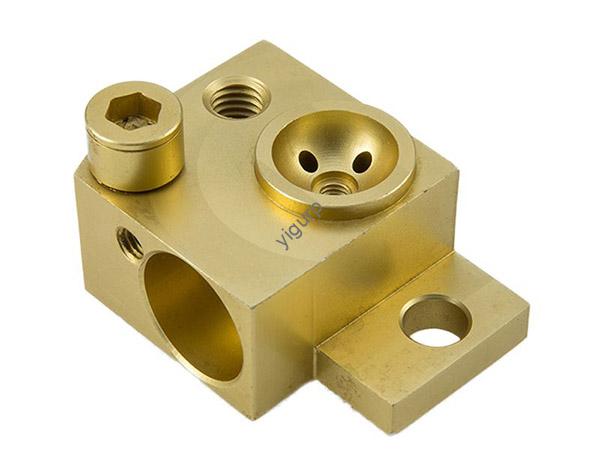
Titanium steel is a high-performance material that combines the strength of steel with the unique benefits of titanium. It is known for its exceptional strength-to-weight ratio, corrosion resistance, and biocompatibility. These traits make it a top choice for demanding industries like aerospace and medical implants. Unlike standard stainless steel, titanium steel performs reliably in extreme environments, from the high heat of a jet engine to the corrosive fluids in a chemical plant. This guide will explore its key properties, real-world uses, and how it is made. You will learn why this material is often the solution when other metals fail.
Introduction
Engineers often face a difficult trade-off. A material may be strong, but it is too heavy. It may resist rust, but it lacks the strength for a critical load. Titanium steel solves this problem. By adding titanium as a key alloying element, the material gains a protective oxide layer and a refined grain structure. This gives it a density that is 50% lower than carbon steel while maintaining high strength. For projects where weight, durability, and safety are critical, this material offers a unique combination of properties that is hard to match.
What Makes Titanium Steel So Unique?
The performance of titanium steel comes from a precise chemical recipe and specialized processing. The addition of titanium changes the material at a fundamental level.
Chemical Composition
The formula for titanium steel balances titanium with other elements to achieve specific goals. The table below shows a typical breakdown for a common grade like Ti-6Al-4V.
| Element | Content Range (%) | Its Role in Performance |
|---|---|---|
| Titanium (Ti) | 0.50 – 6.00 | The core alloying element. It forms a stable oxide layer for corrosion resistance and refines the grain for strength. |
| Iron (Fe) | Balance | The base metal, providing structural strength and formability. |
| Aluminum (Al) | 2.00 – 6.00 | A key strengthener. It boosts tensile strength without adding significant weight. |
| Vanadium (V) | 1.00 – 4.00 | Enhances fatigue resistance, which is critical for parts under cyclic stress. |
| Carbon (C) | 0.03 – 0.15 | Kept low to prevent carbide formation, which can reduce corrosion resistance. |
Physical and Mechanical Properties
The numbers below define what titanium steel can achieve. These properties are why it is chosen for mission-critical applications.
| Property | Typical Value (Ti-6Al-4V) | Why It Matters |
|---|---|---|
| Density | ~4.43 g/cm³ | 50% lighter than carbon steel. Essential for aerospace and automotive weight savings. |
| Tensile Strength | 860 – 1100 MPa | Higher than most stainless steels. Handles immense pulling forces. |
| Yield Strength | 790 – 950 MPa | Resists permanent deformation under heavy loads. |
| Melting Point | 1660 – 1720°C | Stable at high temperatures, suitable for jet engines and turbines. |
| Hardness | 30 – 38 HRC | Balances strength with machinability. Can be increased for wear parts. |
- Corrosion Resistance: This is a standout feature. The titanium oxide layer is self-healing and resists seawater, acids, and industrial chemicals. It is roughly 50 times more corrosion-resistant than carbon steel.
- Biocompatibility: Titanium is non-toxic and non-reactive with human tissue. This makes it the gold standard for implants like hip replacements and dental crowns.
- Non-Magnetic: This property is critical for medical equipment like MRI machines and for sensitive aerospace sensors.
Where Is Titanium Steel Used in the Real World?
This material is reserved for applications where performance and reliability are non-negotiable. Its high cost is justified by its long life and unique capabilities.
Aerospace
The aerospace industry is the largest user of titanium steel. Its strength and light weight directly improve fuel efficiency and range.
- Case Example: A leading aerospace manufacturer used nickel alloy for turbine blades. The weight led to high fuel costs. Switching to titanium steel reduced blade weight by 30%. This cut fuel consumption by 8% per flight. For a 50-plane fleet, this saved $1.2 million annually.
- Turbine blades and compressor discs use titanium steel for its high-temperature stability up to 600°C.
- Airframes and landing gear benefit from the material’s high strength-to-weight ratio, cutting overall aircraft weight by up to 15%.
Medical Implants
Titanium steel has transformed the medical field. Its biocompatibility and durability make it ideal for long-term implants.
- Case Study: A medical device manufacturer used stainless steel for hip implants. They faced two problems. 15% of patients experienced implant loosening after 5 years. Another 8% had allergic reactions. They switched to titanium steel.
- The biocompatibility eliminated allergic reactions, saving $500,000 annually in warranty claims.
- Osseointegration (bone fusion) reduced implant loosening to just 3%.
- The implants, which are 40% lighter, led to faster patient recovery times.
- It is also used for spinal rods, bone plates, and dental implants.
Marine and Offshore
In saltwater environments, corrosion is a constant battle. Titanium steel offers a long-term solution.
- Propeller shafts and hull components made from titanium steel can last 10+ years longer than standard stainless steel parts.
- For submarine pressure hulls, the high strength allows for 25% thinner walls, improving buoyancy and fuel efficiency.
- Offshore oil rigs use it for risers and valves to resist saltwater and hydrogen sulfide, preventing costly leaks and environmental damage.
Automotive and Industrial
For high-performance and electric vehicles, reducing weight is key to extending range. Titanium steel is used in:
- Connecting rods and valves in racing engines to reduce rotational mass and improve acceleration.
- Battery frames for electric vehicles (EVs). Its light weight helps offset the heavy battery pack, extending EV range by over 50 km.
- Chemical processing equipment like acid storage tanks, where its corrosion resistance prevents leaks and downtime.
How Is Titanium Steel Manufactured?
Producing titanium steel is a complex process. Titanium is highly reactive at high temperatures, so special equipment is needed to prevent contamination.
Primary Production and Melting
The process starts with titanium ore. It is converted into a porous form called sponge titanium. This is then melted with iron and other alloys.
- Vacuum Arc Remelting (VAR) : This is the standard method. The materials are melted in a vacuum at 1700-1800°C. The vacuum prevents oxidation and ensures a very pure, uniform ingot.
- Electron Beam Melting (EBM) : This method is used for the highest-grade materials, such as those for medical implants. It produces ultra-pure ingots with minimal defects.
Secondary Processing and Heat Treatment
Once the ingots are cast, they are shaped and heat-treated to achieve the final properties.
- Hot Rolling and Forging: The ingots are heated to 900-1000°C and then rolled into sheets or forged into complex shapes like turbine blades. This process refines the grain structure and enhances strength.
- Solution Treatment and Aging: This is the critical heat treatment for high-strength grades. The material is heated to 920-960°C, rapidly cooled (quenched), and then reheated to 500-600°C. This process boosts the tensile strength to 1100 MPa and hardness to 38 HRC.
- Machining: Titanium steel is tough and requires sharp carbide tools and high-pressure coolant. It is a challenging material to machine, but it can be done effectively with the right techniques.
Surface Treatment and Quality Control
To maximize performance, surface treatments are often applied.
- Anodizing: This process thickens the natural oxide layer. It improves corrosion resistance and can add color, which is useful for medical implants.
- Physical Vapor Deposition (PVD) : A hard coating like titanium nitride (TiN) is applied to surfaces. This can boost wear resistance by 3x, extending the life of industrial parts.
- Quality Control: Every batch is tested. Salt spray tests verify that it can withstand over 1000 hours of exposure without rust. Ultrasonic testing ensures there are no internal defects.
Titanium Steel vs. Other High-Performance Materials
Understanding how titanium steel compares to other materials is key to making the right choice.
| Material | Cost vs. Titanium Steel | Tensile Strength | Density | Corrosion Resistance | Best For |
|---|---|---|---|---|---|
| Titanium Steel | 100% | 860 – 1100 MPa | 4.43 g/cm³ | Excellent | Aerospace, medical, marine |
| Stainless Steel (316L) | 30% | 515 – 620 MPa | 7.98 g/cm³ | Very Good | General corrosion resistance |
| Aluminum Alloy (7075) | 40% | 570 – 590 MPa | 2.81 g/cm³ | Good | Lightweight structures |
| Nickel Alloy (Inconel) | 250% | 1240 – 1380 MPa | 8.22 g/cm³ | Excellent | Extreme heat applications |
For a medical implant, titanium steel is superior to stainless steel because of its biocompatibility and lower weight. For a jet engine component, it is often preferred over nickel alloy because it is 60% lighter and much less expensive, while still providing excellent high-temperature strength.
Conclusion
Titanium steel is a premium material that delivers where others cannot. Its unique combination of high strength, light weight, and exceptional corrosion resistance makes it indispensable for the aerospace, medical, and marine industries. While the upfront cost is higher than standard steels, its long service life, reliability, and performance benefits provide a strong return on investment. For projects that demand the best in durability and safety, titanium steel is a proven and trusted solution.
FAQ About Titanium Steel
Is titanium steel suitable for everyday products like cookware?
Technically, yes. However, its high cost—often 10 times more expensive than stainless steel—makes it impractical for most consumer goods. It is best reserved for critical applications where its unique properties are essential.
What is the main challenge when machining titanium steel?
Its high strength and low thermal conductivity cause heat to build up at the cutting edge. This can quickly dull standard tools. It requires the use of sharp carbide tools, slower cutting speeds, and a steady flow of high-pressure coolant to prevent overheating and tool wear.
How does titanium steel resist corrosion so well?
It forms a very stable, thin, and self-healing oxide layer on its surface. If the surface is scratched, the layer instantly reforms in the presence of oxygen. This passive layer is highly resistant to attack from seawater, acids, and industrial chemicals.
Discuss Your Projects with Yigu Rapid Prototyping
At Yigu Rapid Prototyping, we understand that working with advanced materials like titanium steel requires expertise. From material selection to complex machining and surface finishing, we have the experience to handle your most demanding projects. Whether you are designing a critical aerospace component, a medical implant, or a durable marine part, our team can help you navigate the challenges. We provide solutions that optimize performance, reliability, and cost. Contact us today to discuss your project requirements and let us help you bring your innovative designs to life.