
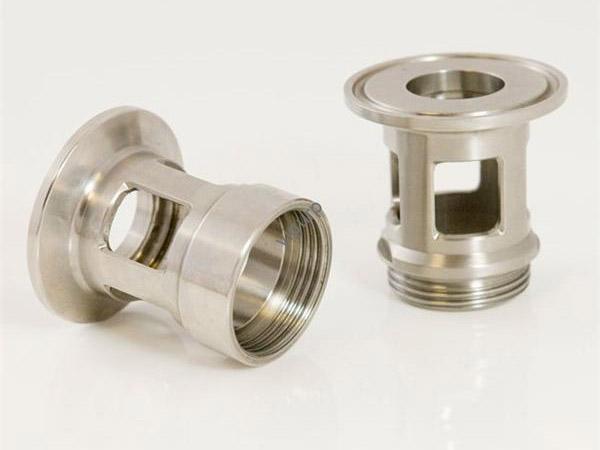
N80 structural steel is a high-strength, low-alloy steel defined by the API 5CT standard, which governs its use in oil and gas well casing and tubing. It is engineered to withstand the extreme conditions found in deep oil and gas wells: high internal pressure, significant tensile and compressive loads, and corrosive downhole fluids. With a minimum yield strength of 552 MPa and carefully controlled chemistry that includes chromium, molybdenum, and copper, N80 offers a combination of high strength, good toughness, and enhanced corrosion resistance that is essential for the safe and reliable operation of oilfield equipment. This makes it a critical material for well casing, drill pipes, and high-pressure pipelines in the energy industry.
Introduction
The oil and gas industry operates in some of the most demanding environments on earth. Deep wells subject steel casing and tubing to immense pressure, heavy loads, and corrosive fluids containing hydrogen sulfide (H₂S) and carbon dioxide (CO₂). Standard carbon steels lack the strength and corrosion resistance to survive these conditions. High-alloy steels can perform well but are often prohibitively expensive. N80 was developed to provide a practical solution. It is a steel that is strong enough to withstand deep well pressures, tough enough to resist cracking, and has a chemical composition that provides good resistance to the corrosive elements found in oil and gas production. For engineers designing critical well infrastructure, N80 offers a proven balance of performance and cost.
What Are the Key Properties of N80?
The performance of N80 is defined by its chemical composition and the mechanical properties achieved through its manufacturing and heat treatment processes.
Chemical Composition
The elements in N80 are carefully controlled to balance strength, toughness, and corrosion resistance.
| Element | Content Range (%) | Its Role in Performance |
|---|---|---|
| Carbon (C) | 0.27 – 0.35 | Provides core strength for pressure-bearing parts. |
| Manganese (Mn) | 0.90 – 1.60 | Enhances hardenability and ductility. |
| Chromium (Cr) | 0.50 – 1.00 | Boosts corrosion resistance against oilfield fluids and improves wear resistance. |
| Molybdenum (Mo) | 0.15 – 0.30 | Improves high-temperature strength and pitting corrosion resistance, critical for downhole tools. |
| Copper (Cu) | 0.10 – 0.30 | Adds extra corrosion resistance, especially in sour gas (H₂S) environments. |
| Nickel (Ni) | 0.10 – 0.50 | Enhances low-temperature toughness. |
| Sulfur (S) | ≤ 0.030 | Minimized to prevent fatigue cracking. |
| Phosphorus (P) | ≤ 0.030 | Controlled to prevent cold brittleness. |
Mechanical and Physical Properties
These properties are critical for withstanding the high pressures and loads of oil and gas wells.
| Property | Value Range | Why It Matters |
|---|---|---|
| Yield Strength | ≥ 552 MPa | Resists permanent deformation under downhole pressure and tension. |
| Tensile Strength | 655 – 827 MPa | Provides a strong safety margin against failure. |
| Elongation | ≥ 15% | Offers enough ductility for bending and installation. |
| Impact Toughness | ≥ 34 J at 0°C | Provides good toughness, though lower-temperature grades are available for arctic conditions. |
| Hardness | 28 – 32 HRC | Balances strength with good wear resistance. |
| Density | 7.85 g/cm³ | Standard for steel, simplifying design calculations. |
- Corrosion Resistance: N80 offers good to excellent corrosion resistance depending on the specific grade. N80-1 is suitable for sweet (CO₂) environments. N80-C90 has additional chromium and molybdenum for enhanced resistance to sour (H₂S) environments, where it resists sulfide stress cracking.
- Weldability: It has fair weldability. Preheating to 200-250°C and the use of low-hydrogen electrodes are required. Post-weld heat treatment is mandatory for thick sections to prevent cracking.
Where Is N80 Used in the Real World?
N80 is used primarily in the oil and gas industry, but its high strength and corrosion resistance also make it suitable for other demanding applications.
Oil and Gas Well Casing and Tubing
This is the primary application. N80 is used as the steel for well casing that lines the wellbore and for tubing that carries oil and gas to the surface.
- Case Study: Chevron used N80-1 casing for a 6,000-meter deep oil well in the Niger Delta.
- The well faced downhole pressure of 12,000 psi and temperatures of 140°C , plus corrosive saltwater.
- The molybdenum content (0.15-0.30%) provided heat resistance, while chromium prevented pitting corrosion.
- After 15 years , the casing showed no signs of degradation , saving an estimated $8 million in well workover costs compared to using a lower-grade steel like J55.
Drill Pipes and Downhole Tools
N80 is used for drill pipes and tool joints that must transmit high torque and withstand the stress of drilling.
- Case Study: BP used N80 drill pipes for a North Sea oil well. The pipes lasted 800 drilling hours , compared to 500 hours for standard alloy steel.
High-Pressure Pipelines and Industrial Equipment
- Case Study: An Australian coal mine used N80 for conveyor system gears. The gears handled 500+ tons of coal daily and abrasive dust. Their wear resistance and fatigue strength allowed them to last 3 years , compared to 1 year for carbon steel. This cut downtime by 80% and saved $300,000 annually in replacement costs.
How Is N80 Manufactured?
The manufacturing process for N80 is designed to create a consistent, high-quality material for critical pressure-containing applications.
Steelmaking and Forming
- Steelmaking: It is typically made in an Electric Arc Furnace (EAF) or Basic Oxygen Furnace (BOF) , with precise control of alloying elements like chromium, molybdenum, and copper.
- Hot Rolling: The steel is hot rolled into seamless pipes (for casing and tubing) or into plates and bars for other components.
- Quenching and Tempering: This is the mandatory heat treatment for N80. The steel is heated to 830-870°C, quenched in oil, and then tempered at 550-600°C. This creates a hard, strong, and tough microstructure suitable for pressure service.
Finishing and Quality Control
- Threading: Well casing and tubing ends are precision-threaded for leak-proof connections.
- Coating: For pipelines and offshore components, a protective coating like 3PE (3-layer polyethylene) or epoxy is applied for corrosion protection.
- Quality Control: API 5CT mandates rigorous testing. Hydrostatic testing at 1.5 times the design pressure verifies leak resistance. Ultrasonic testing checks for internal defects. Chemical analysis and mechanical testing are performed on every batch.
N80 vs. Other Oilfield and Structural Steels
Comparing N80 to other materials helps clarify its position as a high-performance oilfield steel.
| Material | Yield Strength | Corrosion Resistance | Relative Cost | Best For |
|---|---|---|---|---|
| N80 | ≥ 552 MPa | Good to Excellent | Medium | Deep well casing, high-pressure tubing, drill pipes |
| J55 | ≥ 379 MPa | Good | Lower | Shallow to mid-depth wells, lower pressure service |
| L80 | ≥ 552 MPa | Excellent (sour service) | Higher | Sour gas wells, high corrosion environments |
| P110 | ≥ 758 MPa | Fair | Higher | Deep, high-pressure wells (higher strength, lower corrosion resistance) |
| Carbon Steel (A36) | ≥ 250 MPa | Poor | Low | General construction, non-corrosive environments |
| Stainless Steel (316L) | ≥ 205 MPa | Excellent | Very High | Extremely corrosive environments, low stress |
Key Takeaway: N80 offers a strong balance of high yield strength, good corrosion resistance, and cost. It is a significant upgrade from J55 for deeper wells and higher pressures. While L80 offers better sour gas resistance, and P110 offers higher strength, N80 is the standard workhorse for a vast range of oil and gas production applications.
Conclusion
N80 structural steel is a specialized material engineered for the demanding conditions of oil and gas production. Its combination of high yield strength, good corrosion resistance, and reliable toughness makes it the standard choice for well casing, tubing, and drill pipes in a wide range of environments. For engineers designing critical well infrastructure, N80 offers a proven balance of performance and cost, ensuring the safe and reliable extraction of oil and gas from deep underground.
FAQ About N80 Structural Steel
What is the difference between N80-1 and N80-C90?
Both meet the same API 5CT mechanical requirements, but N80-C90 has a more controlled chemistry with higher chromium and molybdenum levels, giving it enhanced resistance to sour gas (H₂S) environments. N80-1 is suitable for sweet (CO₂) environments, while N80-C90 is the better choice for wells with significant hydrogen sulfide.
Can N80 be welded for field pipeline connections?
Yes, but it requires a strict procedure. You must preheat the steel to 200-250°C , use low-hydrogen welding electrodes, and perform a post-weld heat treatment to prevent cracking. This is essential for maintaining the strength and corrosion resistance of the weld zone.
How does N80 compare to P110 for oil well casing?
N80 has a yield strength of 552 MPa and offers better corrosion resistance, particularly in sour environments. P110 has a higher yield strength of 758 MPa , making it suitable for deeper, higher-pressure wells, but it generally has lower corrosion resistance and is more prone to sulfide stress cracking. The choice depends on the specific well conditions: N80 for wells with corrosion concerns, P110 for ultra-deep, high-pressure wells where strength is the primary requirement.
Discuss Your Projects with Yigu Rapid Prototyping
At Yigu Rapid Prototyping, we have extensive experience supplying high-performance steels for the oil and gas industry. We understand the critical importance of material certification, proper heat treatment, and strict adherence to API 5CT standards. We supply N80 in seamless pipes, bars, and custom-machined components, with full mill test certificates. Our team can provide guidance on welding procedures, heat treatment, and corrosion protection to ensure your components meet the demands of your application. Whether you are drilling a deep oil well or building high-pressure pipeline infrastructure, we are here to help. Contact us today to discuss your project requirements.