
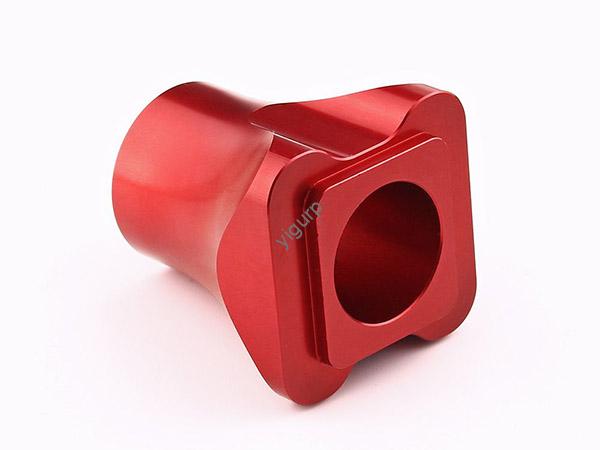
SA 508 structural steel is a low-alloy steel known for its high strength and toughness. It is defined by the ASTM A508 standard. This material is a top choice for projects where safety is critical. Think of power plant pressure vessels, heavy machinery, and high-pressure pipelines. It handles intense stress and extreme conditions. This guide will walk you through its properties, uses, and how to work with it. You will learn why it is a reliable workhorse for demanding industries.
Introduction
When you are designing a component that must hold high pressure or bear a massive load, the cost of failure is enormous. You need a material you can trust. Many engineers consider standard carbon steel first. However, for applications with high heat or thick walls, carbon steel often falls short. SA 508 solves this problem. Its specific blend of chromium, molybdenum, and nickel creates a steel that is both incredibly strong and tough, even in cold climates. It is the material you choose when failure is not an option.
What Are the Key Properties of SA 508?
The performance of SA 508 comes from its precise chemistry and careful heat treatment. It is designed to maintain its strength from -40°C up to over 550°C. Let us break down the details.
Chemical Composition
The alloying elements in SA 508 are carefully balanced. They prioritize strength, toughness, and resistance to cracking. The table below shows a typical breakdown for Grade 3, the most common variant.
| Element | Content Range (%) | Its Role in Performance |
|---|---|---|
| Carbon (C) | 0.20 – 0.25 | Provides high tensile strength without making the steel too hard to weld. |
| Manganese (Mn) | 1.20 – 1.50 | Enhances toughness and workability. It helps prevent cracking during forging. |
| Chromium (Cr) | 0.80 – 1.10 | Boosts corrosion resistance and adds strength at high temperatures. |
| Molybdenum (Mo) | 0.45 – 0.60 | Improves creep resistance. This prevents slow deformation under constant heat and load. |
| Nickel (Ni) | 0.40 – 0.70 | Ensures impact toughness at low temperatures, down to -40°C. |
| Phosphorus (P) | ≤ 0.025 | Strictly limited. High phosphorus can make the steel brittle in cold weather. |
Mechanical Strength
SA 508’s strength is optimized for high-pressure applications. After a special heat treatment called quenching and tempering, it achieves these metrics:
- Yield Strength: 345 MPa minimum. This is the stress it can handle without permanently deforming.
- Tensile Strength: 550 – 700 MPa. This is its ultimate strength before breaking.
- Impact Toughness: ≥ 41 J at -40°C. This means it remains tough and ductile, even in freezing conditions. It will not shatter under sudden impact.
- Ductility: ≥ 20% elongation. It can bend or stretch without cracking, which is vital for forming thick vessel heads.
Other Important Traits
Beyond raw strength, SA 508 offers practical benefits for manufacturing and long-term use.
- Weldability: It is good but requires preheating to 200-300°C. This is critical for joining thick sections like pressure vessel shells without creating cracks.
- Corrosion Resistance: It resists oxidation and mild chemical attack. For marine environments, an additional coating like epoxy paint is common.
- Fatigue Resistance: It handles cyclic stress very well. This makes it suitable for machinery that starts and stops repeatedly, such as power plant turbines.
Where Is SA 508 Structural Steel Used?
This steel is indispensable in industries where safety and durability are non-negotiable. Its ability to perform under extreme conditions makes it a standard choice.
Pressure Vessels and Power Plants
This is the primary application for SA 508. It is used to build reactor pressure vessels, steam generators, and accumulators.
- Case Study: A coal-fired power plant in China used SA 508 for its boiler support columns. These columns held 50-ton equipment and faced ambient temperatures of 550°C. After 12 years, inspections showed no deformation or corrosion. The previous carbon steel columns needed replacement every 8 years.
Heavy Machinery and Mechanical Engineering
Engineers use SA 508 for high-performance parts that face constant stress and wear.
- Turbine shafts and generator shafts: A manufacturer used SA 508 for generator shafts operating at 3000 RPM. They ran for 10 years with no signs of fatigue. This saved the company an estimated $300,000 in replacement costs.
- Gears and hydraulic cylinders: Its hardness and wear resistance make it ideal for these heavy-duty components.
Oil and Gas Pipelines
SA 508 is used for critical pipeline components that handle high pressure.
- Case Study: An energy company in Canada used SA 508 for a 500-km natural gas pipeline. It operates at 10 MPa pressure and faces winter temperatures of -30°C. After 9 years, there were no leaks or corrosion. The previous high-strength steel pipeline needed repairs every 5 years.
Marine and Offshore Structures
For environments with saltwater and constant wave stress, SA 508 provides needed strength.
- A shipyard used SA 508 for an offshore oil platform’s support legs. The legs withstood 10-meter waves and constant salt spray. After 7 years, they showed minimal rust. This saved the operator $200,000 in maintenance costs.
How Is SA 508 Manufactured?
Making SA 508 is a precise process. It requires the right equipment and strict control to meet ASTM standards.
Steelmaking and Forming
The process begins with melting and shaping the steel.
- Steelmaking: It is often made in an Electric Arc Furnace (EAF) . This allows for tight control over the alloy composition, which is critical for high-precision components.
- Forging: For thick sections like pressure vessel heads, the steel is hot-forged. This process uses hammers or presses to shape the steel. It also aligns the grain structure, making the final part even stronger.
- Hot Rolling: For plates, the steel is heated to 1100-1200°C and rolled to the desired thickness.
Heat Treatment
Heat treatment is mandatory to unlock SA 508’s full strength. It is a multi-step process.
- Normalizing: The steel is heated to 890-950°C and then air-cooled. This refines the grain structure.
- Quenching and Tempering: After normalizing, the steel is quenched (rapidly cooled) to harden it. It is then tempered at 620-680°C. This crucial step boosts creep resistance and toughness while reducing internal stresses.
Surface Treatment and Finishing
To boost durability, especially in corrosive environments, surface treatments are applied.
- Galvanizing: A coating of molten zinc. It is ideal for outdoor parts like bridge beams and can last 30+ years.
- Painting: High-temperature epoxy paint is used for power plant components to resist heat and chemicals.
- Shot Blasting: This process cleans the surface by blasting it with small metal balls. It prepares the steel for welding or coating.
SA 508 vs. Other Materials: A Comparison
Choosing the right material means understanding the trade-offs. This table compares SA 508 to other common options.
| Material | Key Strengths | Key Weaknesses | Best Application |
|---|---|---|---|
| SA 508 | High strength, excellent toughness at -40°C, good creep resistance. | Higher cost than carbon steel; requires preheating to weld. | Pressure vessels, power plants, heavy machinery. |
| Carbon Steel (A36) | Low cost, easy to weld. | Poor high-temp strength (weakens above 300°C). | Residential buildings, light structural work. |
| HSLA Steel (X80) | Very high strength at room temperature. | Poor creep resistance; weakens above 350°C. | High-pressure oil pipelines at ambient temps. |
| Stainless Steel (316) | Excellent corrosion resistance. | Lower strength at high temps; much more expensive (up to 2x). | Food processing, chemical equipment. |
Conclusion
SA 508 structural steel is a proven, reliable material for the world’s most demanding applications. Its unique combination of high yield strength, low-temperature toughness, and creep resistance makes it the standard choice for critical components like pressure vessels and turbine shafts. While it requires careful welding and heat treatment, the long-term benefits—including a service life of 15-25 years in harsh conditions—far outweigh the initial costs. For any project where safety and reliability are the top priorities, SA 508 is a material you can trust.
FAQ About SA 508 Structural Steel
Is SA 508 suitable for residential construction?
Rarely. SA 508 is designed for high-stress industrial use. For a home or small building, a standard mild carbon steel like A36 is more cost-effective and easier to work with.
Why is post-weld heat treatment (PWHT) important for SA 508?
PWHT is mandatory for thick sections, typically over 25 mm. It relieves the internal stresses caused by welding. Skipping this step can lead to cracking in high-pressure service. The standard process is to heat the welded area to 620-650°C for several hours.
How long does SA 508 last in a power plant pressure vessel?
With proper maintenance and regular inspections, SA 508 can last between 15 and 25 years in a power plant setting. Its resistance to creep and corrosion ensures long-term reliability.
Discuss Your Projects with Yigu Rapid Prototyping
Choosing the right material is only the first step. At Yigu Rapid Prototyping, we combine material expertise with advanced manufacturing capabilities. We specialize in working with high-performance steels like SA 508. Our team can help you with material selection, provide custom-forged or rolled components, and offer detailed welding guidelines to ensure your project’s success. Whether you are building a pressure vessel for a power plant or a critical component for heavy machinery, we are here to provide solutions you can trust. Contact us today to discuss your specific requirements.