
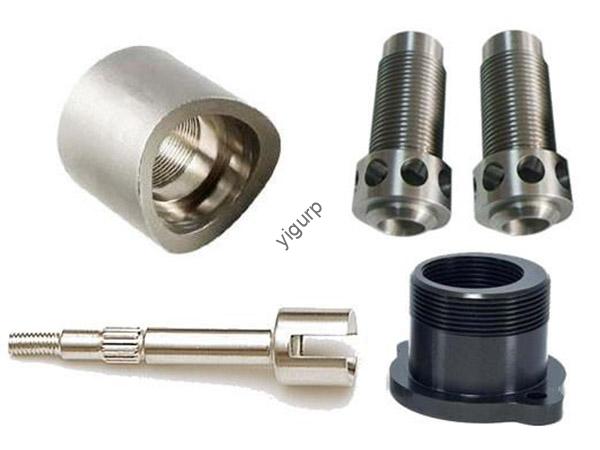
GB 20CrNiMo alloy steel is a Chinese standard low-alloy steel known for its excellent combination of strength, toughness, and wear resistance. It is defined by the GB/T 3077 standard. The alloy uses chromium for hardenability, nickel for toughness, and molybdenum for high-temperature stability. This mix makes it a top choice for demanding applications like heavy machinery parts and automotive drivetrain components. This guide will explain its properties, how to work with it, and where it performs best.
Introduction
Selecting the right material for high-stress components is often a balancing act. A steel may be hard, but it might be brittle. It may be strong, but it may not handle cold temperatures well. GB 20CrNiMo was developed to solve this problem. Its specific chemistry allows it to be heat-treated to a high strength level while retaining exceptional impact toughness, even in cold conditions. For engineers designing parts that must endure heavy loads, impact, and wear, this material offers a proven and reliable solution.
What Are the Key Properties of GB 20CrNiMo?
The performance of GB 20CrNiMo is rooted in its precise chemical composition and the mechanical properties achieved through proper heat treatment.
Chemical Composition
The elements in GB 20CrNiMo work together to create a balanced set of properties. The table below shows the standard composition range.
| Element | Content Range (%) | Its Role in Performance |
|---|---|---|
| Carbon (C) | 0.17 – 0.23 | Provides a foundation for strength and allows for a hardened surface. |
| Chromium (Cr) | 0.80 – 1.10 | Enhances hardenability and improves wear resistance. |
| Nickel (Ni) | 0.40 – 0.70 | Boosts impact toughness, especially at low temperatures. |
| Molybdenum (Mo) | 0.15 – 0.25 | Increases fatigue strength and high-temperature stability. |
| Manganese (Mn) | 0.60 – 0.90 | Improves machinability and aids in grain refinement. |
Mechanical Properties (After Quenching and Tempering)
The mechanical properties below are achieved after the standard heat treatment of quenching and tempering. These are the values that matter for design.
| Property | Typical Value | Why It Matters |
|---|---|---|
| Tensile Strength | ≥ 980 MPa | Handles very high pulling forces without failure. |
| Yield Strength | ≥ 785 MPa | Resists permanent bending or deformation under heavy loads. |
| Elongation | ≥ 12% | Provides enough ductility to avoid sudden brittle fracture. |
| Impact Toughness | ≥ 70 J | This is a standout feature. It remains tough and resists cracking, even in cold environments. |
| Fatigue Strength | ~530 MPa | Withstands repeated stress cycles, which is critical for rotating shafts and gears. |
| Hardness | 241 – 286 HB | Provides good wear resistance for moving parts. |
- Hardenability: This is excellent. The alloying elements allow the steel to harden deeply, ensuring uniform strength in thick sections like large shafts.
- Weldability: It is acceptable but requires care. Preheating to 250-300°C and post-weld heat treatment are recommended to avoid cracking.
Where Is GB 20CrNiMo Used in the Real World?
This steel is found in applications where components must withstand high stress, impact, and often, cold temperatures. Its ability to be case-hardened also makes it ideal for parts requiring a hard, wear-resistant surface with a tough core.
Automotive Industry
The automotive sector relies on GB 20CrNiMo for critical drivetrain and chassis components.
- Case Study: A Chinese heavy-duty truck manufacturer was using carbon steel for drive shafts. The shafts had a failure rate of 7% per year in cold northern regions, where temperatures dropped to -25°C. They switched to GB 20CrNiMo.
- The new shafts, forged and heat-treated, achieved a yield strength of 800 MPa and an impact toughness of 75 J.
- Service life doubled to 300,000 km.
- The failure rate dropped to 1% , saving the company ¥220,000 annually in maintenance costs.
- It is also used for transmission gears, where its fatigue strength extends gear life by 35% compared to carbon steel, and for axles in off-road vehicles.
Heavy Machinery and Industrial Equipment
For machinery that runs continuously under heavy loads, GB 20CrNiMo provides the necessary durability.
- Bearings: A manufacturing plant used it for conveyor belt bearings. The improved wear resistance reduced maintenance downtime by 25% .
- Rollers: Steel mills use it for rolling mill rollers. Its hardness (241-286 HB) resists deformation from hot metal sheets.
- Crane Shafts: Port cranes use it for hoist shafts. Its tensile strength (≥980 MPa) allows it to handle 40-ton containers safely.
Structural and Other Applications
- Fasteners: High-strength bolts for bridges and large structures use GB 20CrNiMo. With a proper anti-rust coating, they can remain stable outdoors for over 10 years .
- Springs: Excavator bucket springs made from this material can withstand over 9,000 compression cycles due to its excellent elastic properties after tempering.
How Is GB 20CrNiMo Manufactured and Processed?
To achieve its full potential, GB 20CrNiMo must be processed with care. The steps from steelmaking to final finishing are all critical.
Steelmaking and Forming
- Steelmaking: It is typically made in an Electric Arc Furnace (EAF) . This allows for precise control when adding the chromium, nickel, and molybdenum alloying elements.
- Forging: This is the preferred forming method for critical parts. The steel is heated to 1100-1200°C and then hammered or pressed into shape. This process aligns the grain structure, increasing tensile strength by about 12% compared to cast parts.
- Rolling and Extrusion: For simpler shapes like bars or rods, rolling is used. For more complex profiles, extrusion may be employed.
Heat Treatment
Heat treatment is essential to unlock the steel’s mechanical properties. The standard process for high-stress parts is:
- Annealing: The steel is heated to 820-850°C and cooled slowly. This softens it for easier machining, reducing tool wear.
- Quenching: The steel is heated to 830-860°C and then cooled rapidly in oil. This creates a hard, strong microstructure.
- Tempering: The quenched steel is then reheated to 500-550°C and cooled in air. This crucial step reduces brittleness while retaining the high strength. For optimal performance in cold climates, tempering at 520-550°C is recommended.
- Carburizing (Optional) : For parts that need a very hard, wear-resistant surface (like bearings), the steel can be heated to 900-950°C in a carbon-rich atmosphere. This creates a hard outer layer while keeping a tough core.
Machining and Surface Treatment
- Machining: In its annealed state, GB 20CrNiMo machines fairly well. Use carbide or high-speed steel tools with plenty of cutting fluid to prevent overheating.
- Corrosion Protection: It has only moderate corrosion resistance. For outdoor or humid environments, a protective coating is essential. Zinc-nickel plating works well for cold, salty regions, while powder coating or chrome plating are other effective options.
GB 20CrNiMo vs. Other Common Materials
Comparing GB 20CrNiMo to other materials helps clarify its strengths and ideal applications.
| Material | Tensile Strength | Impact Toughness | Relative Cost | Best For |
|---|---|---|---|---|
| GB 20CrNiMo | ≥ 980 MPa | ≥ 70 J | 100% | High-stress, cold-environment parts |
| Carbon Steel (45#) | 600 MPa | 35 J | 50% | Low-stress parts, brackets |
| Alloy Steel (40Cr) | 980 MPa | 47 J | 80% | General machinery parts |
| Stainless Steel (304) | 515 MPa | 60 J | 170% | Corrosive environments, low stress |
Key Takeaway: GB 20CrNiMo offers a unique combination of very high strength and excellent impact toughness. It is significantly tougher than 40Cr and far tougher than standard carbon steel. While stainless steel offers better corrosion resistance, it is much weaker in terms of tensile strength and more expensive.
Conclusion
GB 20CrNiMo alloy steel is a well-balanced material engineered for high-stress applications, particularly those involving impact and cold temperatures. Its combination of high tensile strength, excellent impact toughness, and good fatigue resistance makes it an ideal choice for critical components like truck axles, heavy machinery shafts, and transmission gears. While it requires careful welding and surface protection for corrosive environments, its performance and cost-effectiveness make it a valuable and reliable material for demanding engineering challenges.
FAQ About GB 20CrNiMo Alloy Steel
Is GB 20CrNiMo suitable for use in very cold climates?
Yes, it is well-suited for cold environments. Its impact toughness of ≥70 J allows it to perform reliably at temperatures as low as -30°C. For applications below -35°C, a slight adjustment to the tempering process (lowering to 480-500°C) can further enhance its toughness.
What is the difference between GB 20CrNiMo and GB 40Cr?
GB 20CrNiMo contains nickel and molybdenum, while GB 40Cr does not. This gives GB 20CrNiMo approximately 50% higher impact toughness and better high-temperature stability. GB 20CrNiMo is the better choice for cold climates and high-stress applications like axles, while GB 40Cr is suitable for less demanding general machinery parts.
How can I improve the corrosion resistance of GB 20CrNiMo?
GB 20CrNiMo has only moderate inherent corrosion resistance. To protect it, you should apply a coating. Zinc-nickel plating is an excellent choice for cold, salty environments. For structural components, powder coating works well, and for moving parts like bearings, chrome plating is a good option. These treatments can extend the service life of parts in harsh environments by 8-12 years.
Discuss Your Projects with Yigu Rapid Prototyping
At Yigu Rapid Prototyping, we have over a decade of experience working with GB 20CrNiMo and other high-performance alloys. We understand the critical importance of proper heat treatment and processing to achieve the material’s full potential. Whether you need forged shafts, machined gears, or custom components for heavy machinery, our team can provide expert guidance and high-quality manufacturing. We help our clients select the right material and process to ensure their parts are durable, reliable, and cost-effective. Contact us today to discuss your project requirements.