
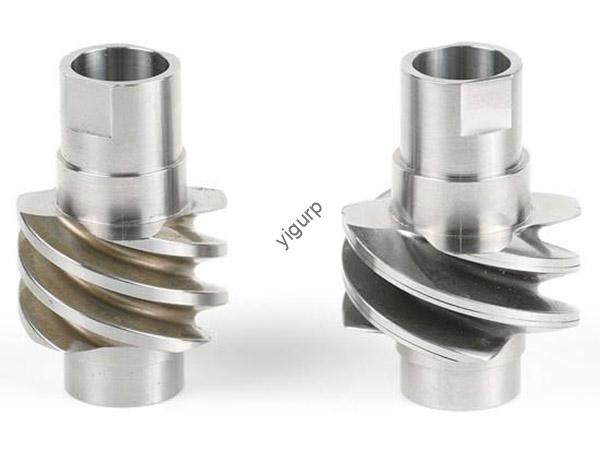
If you are searching for a material that resists both acidic corrosion and bacterial growth—making it ideal for chemical, food, or pharmaceutical applications—UNS N08020 (Carpenter 20 Equivalent) is a top-tier choice. This nickel-chromium-molybdenum alloy is renowned for its versatility in harsh environments, matching the performance of the well-known Carpenter 20 alloy. Its unique combination of corrosion resistance, non-toxic properties, and ease of fabrication makes it a trusted material across demanding industries. This guide breaks down its key properties, real-world applications, manufacturing methods, and how it compares to other materials, helping you make informed decisions for your projects.
What Defines UNS N08020 Carpenter 20 Equivalent?
UNS N08020 is an austenitic nickel-iron-chromium alloy with additions of copper, molybdenum, and niobium. This carefully balanced composition gives it exceptional resistance to strong acids—particularly sulfuric acid—while also providing the ability to resist stress corrosion cracking and pitting. Its copper content adds a valuable property: resistance to bacterial growth, making it suitable for sanitary applications.
The Chemistry of Corrosion and Bacteria Resistance
Every element in UNS N08020 works together to boost corrosion resistance and durability. The table below shows its typical composition and the role of each element.
| Element | Content Range (%) | Key Role |
|---|---|---|
| Nickel (Ni) | 32 – 38 | Base metal. Provides ductility and protects against stress corrosion cracking. |
| Chromium (Cr) | 19 – 21 | Enhances oxidation resistance and fights pitting in acidic liquids. |
| Molybdenum (Mo) | 2.0 – 3.0 | Boosts resistance to strong acids like sulfuric and phosphoric acid. |
| Copper (Cu) | 3.0 – 4.0 | Improves resistance to sulfuric acid and prevents bacterial growth. |
| Iron (Fe) | Balance | Adds structural strength and reduces material cost. |
| Niobium (Nb) | 0.1 – 0.3 | Stabilizes the alloy and enhances high-temperature strength. |
| Carbon (C) | ≤ 0.07 | Minimized to prevent carbide formation and intergranular corrosion. |
Key Mechanical and Physical Properties
UNS N08020 balances strength and flexibility, even in harsh conditions. The values below are for the annealed (heat-treated) condition.
| Property | Typical Value | Why It Matters |
|---|---|---|
| Tensile Strength | ≥ 550 MPa | Withstands high stresses in pressure vessels and structural components. |
| Yield Strength | ≥ 240 MPa | Resists permanent deformation under load. |
| Elongation | ≥ 35% | Highly ductile. Can be formed into complex shapes without cracking. |
| Hardness | ≤ 180 HB | Soft enough for machining, yet strong enough for durable parts. |
| Max Service Temperature | 700°C (continuous) | Maintains strength and resists oxidation in high-heat processes. |
| Density | 8.0 g/cm³ | Lighter than many nickel alloys, simplifying weight calculations. |
| Magnetic Properties | Non-magnetic | Ideal for medical or electronic equipment where magnetism is a concern. |
A real-world example: A chemical plant in India used UNS N08020 for sulfuric acid storage tanks. The tanks have lasted 8 years with no corrosion—compared to 3 years for stainless steel tanks. The alloy’s resistance to concentrated acid and its excellent fabricability made it the clear choice.
Where Is UNS N08020 Used?
UNS N08020’s combination of corrosion resistance, bacterial protection, and ease of fabrication makes it perfect for demanding industries. It is often chosen for applications where both chemical resistance and hygiene are critical.
Chemical Processing Equipment
- Sulfuric Acid Storage and Handling: A chemical company in Brazil needed a reactor to produce fertilizers using 93% sulfuric acid at 150°C. Their old reactor (316 stainless steel) failed after 2 years due to corrosion. Switching to a UNS N08020 reactor extended lifespan to 6 years with no corrosion, cut maintenance costs by 60% , and improved production efficiency by 12% due to better heat transfer.
- Heat Exchangers: Resists acidic coolants and process streams. A power plant in Germany used UNS N08020 for heat exchanger tubes, achieving 7 years of service compared to 4 years for carbon steel tubes.
- Acid Mixers and Pipework: Handles strong acids, phosphoric acid, and acidic brines without corrosion.
Food and Beverage Processing
- Pasteurization Tanks: A dairy factory in the Netherlands uses UNS N08020 for milk pasteurization tanks. The alloy’s copper content prevents bacterial growth (including E. coli), meeting strict food safety standards.
- Processing Equipment: Mixers, conveyors, and storage vessels for acidic foods like fruit juices, sauces, and dairy products.
Pharmaceutical and Medical
- Drug Mixing Tanks: A pharmaceutical company in the U.S. uses UNS N08020 for drug mixing tanks. The alloy is non-toxic (meets FDA standards) and resists corrosion from acidic drug formulations.
- Cleanroom Equipment: Non-magnetic and easy to sanitize, making it suitable for sterile environments.
Marine and Industrial
- Seawater Cooling Systems: A shipyard in South Korea uses UNS N08020 for seawater cooling systems. The system has run for 10 years without pitting—stainless steel systems failed after 4 years .
- Offshore Components: Resists chloride-induced stress corrosion cracking in marine environments.
How Is UNS N08020 Manufactured?
To maximize UNS N08020’s performance, manufacturers use specialized methods that preserve its corrosion-resistant properties. Proper fabrication techniques are essential for achieving the alloy’s full potential.
| Stage | Common Method | Why It Matters |
|---|---|---|
| Casting | Investment casting | Ideal for complex shapes like valve bodies. Low sulfur content prevents casting defects. |
| Forging | Hot forging (1100-1200°C) | Shapes the alloy into strong parts like pump impellers. Cold forging is used for small components to boost hardness. |
| Welding | Gas Tungsten Arc Welding (GTAW) | Use matching filler metals (e.g., ERNiCrMo-3) to maintain corrosion resistance. Pre-weld cleaning is critical to remove oils. |
| Machining | Carbide tools with coolant | The alloy can work-harden if cut too quickly. Sharp tools and consistent feeds are essential. |
| Heat Treatment | Annealing (980-1050°C), rapid cool | Softens the alloy for forming and restores ductility after welding. |
| Surface Treatment | Passivation (nitric acid) | Enhances pitting resistance. No painting is needed; the alloy’s natural surface resists rust. |
How Does UNS N08020 Compare to Other Materials?
Choosing the right alloy for corrosive environments means balancing acid resistance, cost, and fabricability. This comparison helps clarify where UNS N08020 fits.
| Material | Corrosion Resistance (Sulfuric Acid) | Tensile Strength (MPa) | Max Service Temp (°C) | Relative Cost | Best For |
|---|---|---|---|---|---|
| UNS N08020 | Excellent | 550 | 700 | Medium-High | Sulfuric acid equipment, food/pharma processing |
| Stainless Steel 316 | Poor | 515 | 870 | Low | Mild chemical exposure, non-acidic environments |
| Titanium (Ti-6Al-4V) | Good (dilute acids) | 860 | 400 | Very High | High-strength, lightweight applications |
| Inconel 625 | Excellent (high temps) | 930 | 980 | High | Extreme high-temperature, corrosive environments |
| Hastelloy C22 | Excellent (mixed acids) | 690 | 650 | High | Mixed acid environments, offshore |
| Carbon Steel | Very Poor | 400 | 425 | Very Low | Non-corrosive, low-cost structural applications |
Key takeaways:
- vs. Stainless Steel 316: UNS N08020 offers far superior resistance to sulfuric acid and other aggressive chemicals. It costs more but lasts 2 to 3 times longer in corrosive environments.
- vs. Inconel 625: Inconel 625 is better for extreme high-temperature applications, but UNS N08020 is more cost-effective for sulfuric acid and food processing applications.
- vs. Titanium: Titanium is lighter and stronger but more expensive and less suitable for high-temperature acidic conditions. UNS N08020 is the better choice for chemical processing equipment.
Conclusion
UNS N08020 (Carpenter 20 Equivalent) is a versatile, high-performance alloy designed for the most demanding corrosive environments. Its exceptional resistance to sulfuric acid, combined with its ability to resist bacterial growth and maintain strength at elevated temperatures, makes it indispensable for chemical processing, food and beverage, and pharmaceutical industries. While it costs more than standard stainless steel, its proven lifespan of 6 to 10 years in harsh conditions—2 to 3 times longer than 316 stainless steel—makes it a cost-effective investment. For any application requiring both corrosion resistance and hygiene, UNS N08020 offers a reliable, proven solution.
FAQ About UNS N08020 (Carpenter 20 Equivalent)
Is UNS N08020 suitable for food processing applications?
Yes. Its copper content prevents bacterial growth, and the alloy is non-toxic, meeting FDA standards. It is ideal for tanks, conveyors, and mixers that handle acidic or high-moisture food products like dairy, fruit juices, and sauces.
Can UNS N08020 handle concentrated sulfuric acid?
Absolutely. It resists 93% concentrated sulfuric acid even at high temperatures up to 150°C. This is a key advantage over stainless steel, which corrodes quickly in strong sulfuric acid environments.
What is the typical lifespan of UNS N08020 parts in chemical processing?
In harsh sulfuric acid environments, UNS N08020 parts typically last 6 to 10 years—2 to 3 times longer than 316 stainless steel parts. Proper maintenance, including periodic annealing, can extend this lifespan even further.
Does UNS N08020 require painting or coating for corrosion protection?
No. The alloy’s natural surface forms a protective oxide layer that resists corrosion in most environments. Painting is not recommended because it can trap moisture and lead to crevice corrosion. Passivation (acid treatment) can enhance the natural surface layer.
Discuss Your Projects with Yigu Rapid Prototyping
Selecting the right alloy for corrosive or sanitary applications is a critical decision. At Yigu Rapid Prototyping, we have extensive experience supplying UNS N08020 (Carpenter 20 Equivalent) for chemical processing, food and beverage, and pharmaceutical projects. Our team can help you determine if this alloy is the right fit for your specific acid concentration, temperature, and hygiene requirements. We offer UNS N08020 in custom-fabricated components with full material certification, passivation, and heat treatment documentation. Contact us today to discuss your project and find a reliable, long-lasting material solution.