
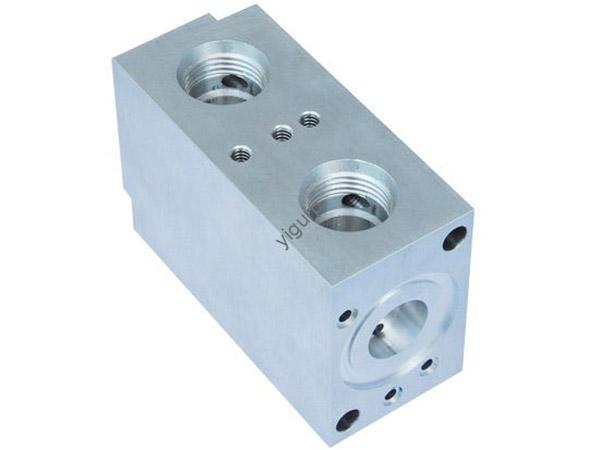
XM-19 stainless steel is the material you turn to when standard grades like 316L start failing. If your project involves harsh chemicals, saltwater, or repeated sterilization, this high-performance austenitic alloy offers a unique balance. Its yield strength is roughly double that of 316L, and its pitting resistance handles chloride levels up to 50,000 ppm. This guide walks you through its properties, real-world applications, and how to work with it, so you can decide if it is the right fit for your demanding environment.
Introduction
A chemical plant in Shandong once replaced its 316L sulfuric acid tanks every five years. Each replacement meant downtime, lost production, and a $200,000 bill. After switching to XM-19, the same tanks lasted 12 years. The upfront cost was higher, but the long-term savings and reliability made it an easy decision. Whether you are designing a seawater cooling system, a pharmaceutical mixing vessel, or a surgical instrument, understanding XM-19’s strengths and limitations will help you avoid premature failures and unexpected costs. Let’s explore what makes this alloy different and how to use it effectively.
What Makes XM-19’s Properties Stand Out?
XM-19’s performance comes from a carefully balanced chemical composition. It is not just about adding more alloys—it is about getting the right combination to boost strength without sacrificing corrosion resistance or workability.
Chemical Composition and Its Role
The formula is optimized to handle harsh environments. Here is a breakdown of the key elements and what they do:
| Element | Content | Why It Matters |
|---|---|---|
| Chromium | 20–22% | Forms a stable oxide layer for corrosion resistance. |
| Nickel | 11–13% | Stabilizes the structure and improves toughness. |
| Molybdenum | 2.5–3.5% | Boosts resistance to pitting in chloride-rich settings. |
| Nitrogen | 0.2–0.4% | Increases strength without reducing ductility. |
| Carbon | ≤0.06% | Low carbon prevents corrosion in welded areas. |
| Sulfur | ≤0.03% | Ultra-low sulfur maintains purity for food and medical use. |
A key detail: nitrogen is injected during melting to achieve the exact range. This step is critical—too little nitrogen reduces strength, and too much can cause porosity.
Mechanical and Physical Data at a Glance
Here is how XM-19 performs under stress. These numbers help engineers size parts correctly:
| Property | Typical Value |
|---|---|
| Tensile Strength | 750–900 MPa |
| Yield Strength | 400–550 MPa |
| Elongation | 30–40% |
| Fatigue Strength | 320–380 MPa (at 10⁷ cycles) |
| Impact Toughness | 100–150 J (room temperature) |
| Density | 7.8 g/cm³ |
| Magnetic Properties | Non-magnetic (even after cold working) |
For context, its yield strength is roughly double that of 316L. This allows designers to use thinner walls on tanks or piping, reducing material weight and cost.
Other Critical Characteristics
XM-19 offers several advantages beyond basic strength:
- Excellent corrosion resistance: Outperforms 316L in acids, industrial chemicals, and saltwater.
- Pitting resistance: Handles chloride concentrations up to 50,000 ppm, making it suitable for seawater systems.
- Stress corrosion cracking resistance: Performs better than 316L in environments with both tensile stress and corrosive agents.
- Weldability: Can be welded with standard methods without preheating, and welds retain good corrosion resistance.
Where Is XM-19 Stainless Steel Used?
This alloy is chosen for applications where lower-grade stainless steels have a history of failing. Its combination of strength and corrosion resistance makes it a reliable option across several industries.
Chemical Processing Industry
In chemical plants, equipment often handles aggressive acids and solvents. XM-19 is used for:
- Storage tanks: Holds acids like sulfuric or hydrochloric with minimal corrosion.
- Piping systems: Transports corrosive fluids; higher strength allows thinner walls, reducing installation costs.
- Reactors: Handles high temperatures (up to 600°C) and corrosive reactants without degrading.
Case example: A chemical plant in Jiangsu replaced 316L with XM-19 for its caustic soda piping. The 316L pipes developed stress corrosion cracks after four years. The XM-19 system has been in service for seven years with no signs of cracking.
Food and Beverage & Pharmaceutical Industries
Purity and cleanability are critical here. XM-19 meets strict standards because of its low sulfur content and smooth surface finish.
- Food processing equipment: Mixers, sanitary fittings, and tanks resist corrosion from food acids.
- Pharmaceutical vessels: Sterile mixing tanks withstand repeated autoclaving at 121°C without losing biocompatibility.
- Medical devices: Insulin pumps and catheter housings remain non-magnetic, which is essential for MRI compatibility.
Marine Industry
Saltwater is highly corrosive to most metals. XM-19 performs well in this environment.
- Seawater cooling systems: Pipes and heat exchangers resist pitting and last longer than 316L.
- Ship hull components: Fasteners and fittings maintain strength after years of saltwater exposure.
Medical Industry
Surgical instruments and medical devices require a unique set of properties.
- Surgical tools: Scalpels and forceps are non-magnetic and resist corrosion from bodily fluids.
- Implants and housings: The alloy’s biocompatibility and cleanability make it suitable for devices that contact skin or tissue.
How Is XM-19 Manufactured?
Producing XM-19 requires precise control over the alloying process and subsequent forming steps. The goal is to maintain the chemical balance that gives the material its properties.
Melting and Alloying
The process starts in an electric arc furnace (EAF). Scrap steel, chromium, nickel, and molybdenum are melted at 1,650–1,750°C. During this stage, nitrogen gas is injected into the molten alloy to reach the target 0.2–0.4% content. This step is critical—achieving the right nitrogen level ensures the final material has the desired strength without becoming brittle.
For large-scale production, a basic oxygen furnace (BOF) may be used. This method blows oxygen to remove impurities like excess carbon and phosphorus before adding back the precise alloying elements.
Hot and Cold Rolling
After casting into slabs, the material undergoes hot rolling. It is heated to 1,100–1,200°C and rolled into thick plates, bars, or structural shapes. This creates the rough form used for tanks, reactor vessels, or large components.
For thin sheets—such as those used in pharmaceutical equipment or medical device casings—cold rolling follows. Cold rolling improves surface finish, dimensional accuracy, and slightly increases hardness.
Heat Treatment: Solution Annealing
Unlike some other high-strength alloys, XM-19 does not rely on quenching and tempering for its properties. Instead, solution annealing is the key heat treatment:
- Heat to 1,050–1,150°C and hold for 30–60 minutes.
- Rapidly water-quench.
This process dissolves any precipitated carbides that may have formed during earlier steps. It restores full corrosion resistance and ductility, which is especially important after welding.
Stress relief annealing is sometimes used for welded or heavily formed parts. Heating to 800–900°C for 1–2 hours, then slow cooling, reduces internal stresses without lowering strength.
Forming, Welding, and Surface Finishing
Working with XM-19 requires the right techniques:
- Forming: Hydraulic presses or bending machines shape the material at room temperature. Its high strength means forming requires more force than with 316L.
- Machining: CNC machines with carbide tools work well, but coolant is essential to prevent overheating and tool wear.
- Welding: TIG welding with XM-19 filler metal is common. Low heat input preserves corrosion resistance. Post-weld passivation is recommended to restore the oxide layer.
Surface treatment is often the final step:
- Pickling: Removes scale from hot rolling using a nitric-hydrofluoric acid mix.
- Passivation: Treating with nitric acid enhances the natural oxide layer.
- Electropolishing: Removes 5–10 μm of material to create a smooth, microbe-resistant surface. This is standard for food, pharmaceutical, and medical parts.
Quality Control Checks
Manufacturers verify XM-19’s properties through rigorous testing:
- Tensile testing: Confirms strength values meet specifications.
- Ultrasonic and radiographic testing: Checks for internal defects and weld flaws in critical components.
- Microstructure analysis: Ensures a uniform austenitic structure with no unwanted phases.
- Corrosion testing: Salt spray tests (ASTM B117) and pitting resistance tests (ASTM G48) validate performance claims.
How Does XM-19 Compare to Other Materials?
Choosing the right material often involves trade-offs between cost, strength, and corrosion resistance. Here is how XM-19 stacks up against common alternatives:
| Material | Relative Cost | Tensile Strength | Yield Strength | Pitting Resistance (Chloride) |
|---|---|---|---|---|
| XM-19 | Base (100%) | 750–900 MPa | 400–550 MPa | 50,000 ppm |
| 316L | 70% | 550–650 MPa | 205 MPa | 30,000 ppm |
| Duplex 2205 | 110% | 620–800 MPa | 450 MPa | 60,000 ppm |
| Super Duplex 2507 | 150% | 800–1,000 MPa | 550–700 MPa | 100,000 ppm |
| Titanium (Ti-6Al-4V) | 400% | 860 MPa | 795 MPa | 150,000 ppm |
Application suitability:
- Chemical processing: XM-19 offers better corrosion resistance than 316L at a lower cost than duplex 2205.
- Marine systems: Outperforms 316L in lifespan and is more cost-effective than titanium.
- Food and pharmaceutical: Meets stricter purity standards than 316L and is easier to clean.
- Medical devices: Non-magnetic and biocompatible, with a lower cost than titanium.
Case Study: Seawater Cooling System Upgrade
A shipyard in Guangzhou had recurring issues with 316L stainless steel in seawater cooling systems. After three years, the pipes showed significant pitting, leading to leaks and costly repairs. Annual repair costs averaged $150,000.
The shipyard switched to XM-19 for new vessels. After eight years of service:
- The XM-19 pipes showed no pitting or visible corrosion.
- Cooling efficiency remained at 98%, compared to 85% for 316L after three years.
- Total savings over eight years were estimated at $1.2 million, factoring in avoided replacements and reduced downtime.
Conclusion
XM-19 stainless steel fills a specific but critical role in industries where standard materials fail prematurely. Its yield strength is roughly double that of 316L, and its pitting resistance handles chloride levels up to 50,000 ppm. While it costs more than 316L, the extended service life and reduced maintenance often make it the more economical choice over time. For chemical plants, marine applications, and pharmaceutical equipment, XM-19 offers a reliable balance of strength, corrosion resistance, and workability. Understanding its properties and how to work with it allows you to design systems that last longer and perform better in harsh environments.
FAQ
What is the main difference between XM-19 and 316L stainless steel?
XM-19 has higher nitrogen (0.2–0.4% vs. ≤0.1%) and molybdenum (2.5–3.5% vs. 2–3%) content. This gives it roughly double the yield strength and better resistance to pitting and stress corrosion cracking. XM-19 also remains non-magnetic even after cold working, which is important for medical and electronic applications.
Can XM-19 be welded without special equipment?
Yes. XM-19 has excellent weldability using standard TIG, MIG, or stick welding methods. Preheating is not required for most thicknesses. However, using XM-19 filler metal and performing post-weld passivation will help maintain its corrosion resistance.
Is XM-19 suitable for food contact applications?
Yes. Its low sulfur content and ability to achieve a smooth electropolished surface make it safe for food processing equipment. It resists corrosion from food acids and meets FDA standards for food contact.
How does XM-19 perform in saltwater compared to duplex stainless steels?
XM-19 offers good pitting resistance up to 50,000 ppm chloride, which is better than 316L but slightly less than duplex 2205. For extremely aggressive environments with higher chloride levels, super duplex grades or titanium may be better choices. However, XM-19 is more cost-effective than these premium materials for many marine applications.
Does XM-19 require special machining techniques?
XM-19 machines well with sharp carbide tools. Its strength is higher than 316L, so using coolant and moderate cutting speeds (60–80 m/min) helps prevent tool wear and overheating. Avoid high-speed steel tools, as they will dull quickly.
Discuss Your Projects with Yigu Rapid Prototyping
At Yigu Rapid Prototyping, we work with engineers and manufacturers who need materials that perform reliably in demanding conditions. We supply XM-19 stainless steel in forms ranging from sheets and plates to bars and custom-fabricated components. Our team can provide material certifications, machining guidance, and welding recommendations to help you get the best results from this alloy. Whether you are building a chemical storage system, a marine cooling loop, or a pharmaceutical processing line, we are here to help you choose the right material and execute your project with confidence. Contact us to discuss your next application.