
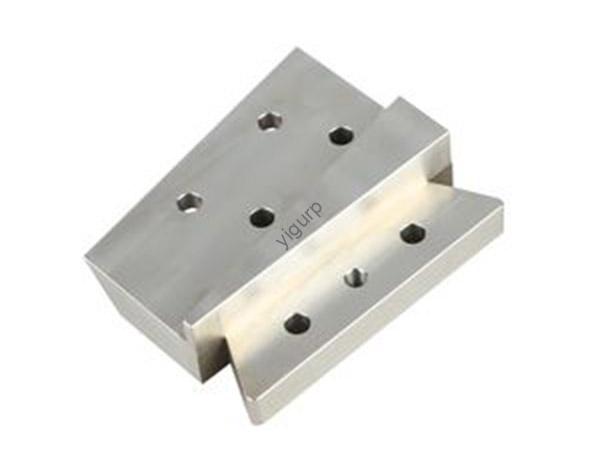
When your project involves residential construction, commercial buildings, or automotive components where weight, speed, and precision matter—light gauge structural steel is a game-changing solution. This thin-walled steel (typically 0.5–3 mm thick) balances strength and portability, making it ideal for applications ranging from tiny homes and modular offices to electric vehicle body panels. In this guide, I will walk you through its properties, applications, and how to work with it based on real project experience.
Introduction
Light gauge structural steel is not a specific grade but a category of low-carbon or mild carbon steel formed into thin sections. It is defined by its thickness—typically 0.5 to 3 mm—and is commonly supplied in cold-rolled, galvanized, or painted condition. Unlike heavy structural steel used for skyscrapers and bridges, light gauge steel is designed for applications where weight reduction and ease of fabrication are as important as structural performance. Its low carbon content (0.05–0.20%) provides excellent formability and weldability, while galvanized coatings provide corrosion resistance for outdoor applications. Over the years at Yigu Rapid Prototyping, I have worked with modular building manufacturers, automotive suppliers, and infrastructure contractors who choose light gauge steel for its strength-to-weight ratio, precision, and cost-effectiveness. Its combination of properties makes it a versatile material for lightweight, efficient projects.
What Makes Light Gauge Steel a Lightweight Solution?
Light gauge steel achieves its performance through its thin cross-section and the properties of low-carbon steel. The material is strong enough for structural applications while being light enough for easy handling and transport.
The Chemistry Behind the Performance
The chemical composition of light gauge steel aligns with low-carbon steel standards such as ASTM A653, optimized for formability and weldability.
| Element | Content Range (%) | Why It Matters |
|---|---|---|
| Carbon (C) | 0.05 – 0.20 | Provides moderate strength while maintaining ductility for bending thin sheets. |
| Manganese (Mn) | 0.30 – 1.00 | Enhances formability and reduces brittleness. Prevents cracking during cold rolling. |
| Silicon (Si) | 0.01 – 0.35 | Improves heat resistance during welding. Prevents warping of thin sections. |
| Phosphorus (P) | ≤ 0.040 | Controlled to prevent cold brittleness. |
| Sulfur (S) | ≤ 0.050 | Minimized to avoid weak points and prevent tearing during forming. |
| Chromium (Cr) | 0.01 – 0.10 | Trace amounts for mild corrosion resistance (higher in galvanized grades). |
| Trace Elements | ≤ 0.10 each | Nickel, molybdenum, and vanadium in small amounts provide minor improvements. |
Key Insight: The low carbon content (0.05–0.20%) of light gauge steel provides excellent formability, allowing it to be rolled into thin sheets and formed into complex shapes without cracking. Galvanized coatings provide corrosion protection without adding significant weight or cost.
Mechanical Properties That Matter
Light gauge steel’s mechanical properties are specified for applications requiring good strength-to-weight ratio.
| Property | Typical Value | Significance |
|---|---|---|
| Tensile Strength | 370 – 550 MPa | Provides adequate strength for structural components, body panels, and enclosures. |
| Yield Strength | ≥ 235 MPa (≥ 350 MPa for high-strength grades) | Resists permanent deformation under load. |
| Elongation | 15 – 25% | Provides ductility for forming into complex shapes. |
| Hardness (Brinell) | 110 – 180 HB | Soft enough for cutting and forming with standard tools. |
| Fatigue Strength | 180 – 250 MPa | Withstands repeated stress in automotive and structural applications. |
Case Study: A U.S. construction firm used light gauge steel for 50 modular offices. The frames weighed 40% less than wood, cutting transport costs by 25%. The lightweight frames could be handled by smaller crews, and the modular design allowed for rapid on-site assembly.
Where Does Light Gauge Steel Deliver the Most Value?
This material is specified for applications where weight reduction, precision, and ease of fabrication are priorities.
Residential and Commercial Construction
Light gauge steel is widely used in modern construction for framing and structural components.
- Roof trusses: Prefabricated trusses for single-family homes. Lighter than wood, faster to install, and fire-resistant.
- Wall panels: Interlocking steel panels for tiny homes and modular buildings. Mold-proof and dimensionally stable.
- Mezzanines: Thin-walled C-channels for retail store mezzanines. Support significant loads while saving floor space.
- Curtain walls: Building envelopes for office buildings. Reduce overall building weight and foundation costs.
Case Study: A Canadian builder used light gauge steel trusses for over 100 homes. The trusses were 50% lighter than wood, speeding up roof installation by 40%. The steel trusses were fire-resistant and mold-proof, addressing common issues with wood framing in humid climates.
Automotive and Electric Vehicles
Light gauge steel is used for automotive body panels and structural components.
- Body panels: Doors, hoods, and fenders for electric vehicles. Lightweight construction improves battery range.
- Frame components: Subframes for hybrid and electric vehicles. Balances strength and weight for improved fuel efficiency.
- Structural supports: Internal reinforcements and brackets.
Case Study: Tesla used high-strength light gauge steel (ASTM A653 Grade 50) for the Model 3’s door and hood panels. The steel’s high yield strength (≥ 350 MPa) maintained crash safety, while its thin profile reduced vehicle weight by 10 kg. This weight saving improved the Model 3’s EPA range by 15 miles (24 km) and cut body panel production time by 20% compared to aluminum panels.
Industrial and Commercial Applications
Light gauge steel is used for enclosures, shelving, and support structures.
- Machine enclosures: Protective enclosures for 3D printers and small machinery. Lightweight, easy to assemble, and dust-resistant.
- Shelving frames: Factory storage shelving. Supports significant weight while being easy to reconfigure.
- Support structures: Frames for conveyors and industrial equipment.
Infrastructure and Public Works
Light gauge steel is used for pedestrian bridges, sign supports, and utility poles.
- Pedestrian bridge railings: Lightweight railings that are easy to install.
- Traffic light poles: Galvanized steel poles that resist corrosion and are easy to install with small crews.
- Sign supports: Supports for highway signs and traffic signals.
Case Study: An Australian city used light gauge steel for a 40-meter pedestrian bridge. The railings were 60% lighter than heavy steel, cutting installation time by three days. The lightweight components were easier to handle and required smaller lifting equipment.
How Is Light Gauge Steel Manufactured?
Light gauge steel is produced using precise rolling and forming processes to achieve consistent thickness and dimensional accuracy.
Rolling Processes
- Hot rolling: Steel is heated to 1,100–1,250°C and pressed into thin coils (5–10 mm thick). Creates a rough surface, ideal for subsequent cold rolling.
- Cold rolling: The primary method for final gauge. Steel is rolled at room temperature to 0.5–3 mm thickness. Cold rolling improves surface smoothness and dimensional accuracy.
Fabrication
Light gauge steel is designed for easy fabrication with standard equipment.
- Cutting: Plasma cutting for thicker sheets, laser cutting for precision automotive panels. Thin profile ensures clean cuts with minimal waste.
- Welding: Spot welding for automotive panels, MIG welding for building components. Thin sheets weld quickly, reducing production time.
- Forming: Roll forming for C-channels and Z-purlins; press brakes for custom shapes such as wall panels. High ductility allows complex interlocking designs.
Surface Treatment
Corrosion protection is essential for outdoor applications.
- Galvanizing: Hot-dip galvanizing (50–100 μm zinc coating) provides corrosion resistance for roof trusses, poles, and outdoor components. Lasts 20–30 years outdoors.
- Painting: Powder coating or liquid paint for indoor components such as office partitions or aesthetic parts such as EV body panels.
How Does Light Gauge Steel Compare to Other Materials?
Understanding the trade-offs between light gauge steel and alternative materials helps in making an informed selection.
| Material | Thickness (mm) | Yield Strength (MPa) | Relative Cost | Best For |
|---|---|---|---|---|
| Light Gauge Steel | 0.5 – 3 | ≥ 235 (≥ 350 high-strength) | 100% | Modular buildings, EV panels, roof trusses |
| Heavy Gauge Steel | 5 – 50 | ≥ 235 | 80% | Bridges, heavy machinery |
| Aluminum (6061-T6) | 1 – 10 | 276 | 200% | Lightweight parts, aircraft |
| Wood | Variable | N/A | 70% | Residential framing (non-fire-rated) |
| Stainless Steel | 0.5 – 5 | ≥ 205 | 400% | Corrosion-resistant applications |
Key Insights:
- Compared to heavy gauge steel, light gauge steel offers significant weight savings (30–50%) and easier handling, though material cost per ton may be slightly higher. For applications where weight and installation speed are priorities, light gauge steel is the better choice.
- Compared to aluminum, light gauge steel offers higher strength at approximately half the cost, though aluminum is lighter. For structural applications where weight is not the only constraint, light gauge steel is more cost-effective.
- Compared to wood, light gauge steel offers fire resistance, mold resistance, and dimensional stability at a comparable material cost. For residential and commercial construction, light gauge steel is often the superior choice for longevity and safety.
What About Corrosion Protection?
Light gauge steel has moderate corrosion resistance. For outdoor applications, galvanized steel is recommended:
- Galvanized steel: Hot-dip galvanized light gauge steel lasts 20–30 years outdoors. In coastal areas, additional paint coating extends lifespan to 30 years or more.
- Painted steel: For indoor applications such as office partitions and automotive panels, painted steel provides adequate protection and aesthetic finish.
Conclusion
Light gauge structural steel is a versatile, cost-effective material for lightweight construction and manufacturing. Its thin profile (0.5–3 mm) provides excellent strength-to-weight ratio, while its low carbon content ensures good formability and weldability. For modular buildings, electric vehicle body panels, roof trusses, and industrial enclosures, light gauge steel delivers reliable performance at a weight that reduces transport and installation costs. When you need a material that balances strength, weight, and cost for efficient, modern projects, light gauge structural steel is a proven, practical choice.
FAQ About Light Gauge Structural Steel
Is light gauge steel strong enough for residential roof trusses?
Yes. High-strength light gauge steel (such as ASTM A653 Grade 50, yield strength ≥ 350 MPa) supports roof loads including snow and wind as well as wood or heavy steel. It is also fire-resistant, which wood is not, making it safer for homes.
How long does galvanized light gauge steel last outdoors?
Galvanized light gauge steel typically lasts 20–30 years outdoors, depending on climate. In coastal areas with saltwater exposure, it may last 15–20 years. Applying a top coat of paint can extend lifespan to 30 years or more.
Can light gauge steel be used for EV body panels instead of aluminum?
Yes. Light gauge steel is a cost-effective alternative to aluminum for body panels. It has similar strength to aluminum but costs approximately 50% less and is easier to weld. Manufacturers such as Tesla and Toyota already use light gauge steel for body panels to reduce weight and costs without sacrificing safety.
What thickness of light gauge steel is used for wall panels?
For residential and commercial wall panels, thicknesses typically range from 0.8 mm to 1.5 mm. Thicker material (1.5–2.5 mm) is used for load-bearing walls and structural components. The specific thickness depends on the load requirements and building codes.
Discuss Your Projects with Yigu Rapid Prototyping
Selecting the right light gauge steel for your project requires balancing strength, weight, corrosion protection, and cost. At Yigu Rapid Prototyping, we help modular building manufacturers, automotive suppliers, and infrastructure contractors navigate these decisions with practical, experience-based guidance. Whether you need light gauge steel for roof trusses, EV body panels, or industrial enclosures, we can provide material sourcing, custom roll-forming, and coating recommendations. Contact us to discuss your project requirements and find the right solution.