
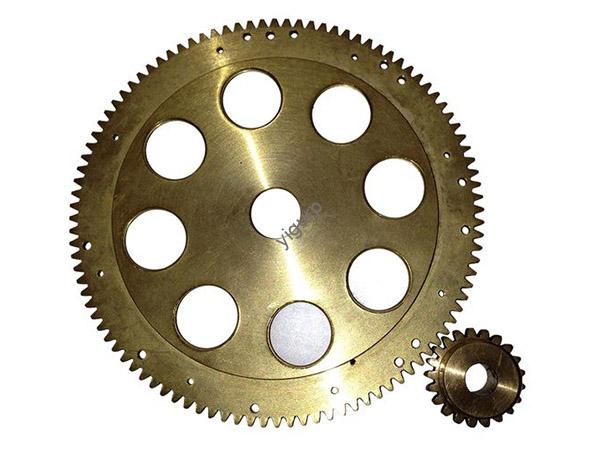
If your equipment faces constant pounding, scraping, and heavy wear, you need a material that gets tougher the harder it works. High manganese steel—often called Hadfield steel—does exactly that. Its unique ability to harden under impact makes it the go-to choice for rock crushers, railway components, and mining equipment. This guide explains how it works, where it excels, and how to choose the right grade for your application.
Introduction
Most materials weaken as they wear. High manganese steel does the opposite. When you hit it, scrape it, or subject it to repeated impact, its surface gets harder. This phenomenon, called work hardening, means the material becomes stronger where it needs it most. Invented by Sir Robert Hadfield in 1882, this steel contains 10–14% manganese and 1.0–1.4% carbon. The combination creates an austenitic structure that remains tough and ductile until impact triggers hardening. For industries like mining, railway, and construction, this property translates directly into longer part life and lower maintenance costs.
What Makes High Manganese Steel Unique?
1.1 What Is Work Hardening?
Work hardening is the defining characteristic of this material. Under normal conditions, high manganese steel is relatively soft—about 180–220 HB. But when you strike it, grind it, or subject it to repeated pressure, the surface transforms. The austenite crystals deform and convert to martensite, a much harder phase. Surface hardness can reach 450–550 HB after sufficient impact.
Think of it like kneading dough. The more you work it, the stiffer it becomes. For high manganese steel, every rock that hits a crusher jaw or every train wheel that rolls over a track makes the surface harder and more wear-resistant.
1.2 How Does Chemistry Enable This Behavior?
The high manganese content is essential for work hardening. Manganese stabilizes the austenite phase at room temperature, keeping the steel ductile until impact triggers the transformation.
| Element | Typical Range (%) | What It Does |
|---|---|---|
| Manganese (Mn) | 10.0–14.0 | Stabilizes austenite; enables work hardening |
| Carbon (C) | 1.0–1.4 | Provides hardness; works with Mn for wear resistance |
| Silicon (Si) | 0.3–0.8 | Removes oxygen during melting; improves high-temperature strength |
| Chromium (Cr) | 0.5–2.0 | Adds corrosion resistance; enhances wear properties |
| Phosphorus (P) | ≤ 0.07 | Controlled to prevent brittleness |
| Sulfur (S) | ≤ 0.05 | Minimized to avoid cracking during forming |
Some specialized grades add nickel or molybdenum for improved performance in cold environments or highly corrosive conditions.
1.3 What Mechanical Properties Matter?
High manganese steel offers a combination of properties that few other materials can match.
| Property | Typical Value | Why It Matters |
|---|---|---|
| Tensile strength | 600–900 MPa | Can reach 1500 MPa after work hardening |
| Yield strength | 250–400 MPa | Low initially, but work hardening boosts it in service |
| Hardness (initial) | 180–220 HB | Soft enough to machine and form |
| Hardness (work hardened) | 450–550 HB | Becomes extremely wear-resistant in use |
| Impact toughness | ≥ 200 J | Absorbs heavy impacts without cracking |
| Elongation | 30–50% | Very ductile; can be formed into complex shapes |
A rock crusher jaw made from high manganese steel starts soft enough to cast or machine. Once it starts crushing rocks, the surface hardens. The jaw gets tougher the more it works.
1.4 What Physical Properties Affect Manufacturing?
- Density: 7.8–7.85 g/cm³. Similar to other steels, so existing design calculations remain valid.
- Melting point: 1400–1450°C. Works with standard steelmaking and forging equipment.
- Thermal conductivity: 40–45 W/(m·K). Ensures even heating during heat treatment.
- Thermal expansion: 12–14 μm/(m·K). Slightly higher than low-alloy steels. For high-temperature applications, account for this in tolerances.
1.5 What Are the Practical Handling Properties?
Wear resistance: Excellent. Work hardening creates a surface that resists abrasion better than most other steels. In mining applications, high manganese steel parts often last 2–3 times longer than low-alloy alternatives.
Corrosion resistance: Good, especially in grades with added chromium. For marine applications like propellers or offshore equipment, chromium-enhanced grades provide adequate protection.
Weldability: Requires preheating to 200–300°C and low-heat input. Proper technique prevents cracking and maintains the austenitic structure near the weld.
Formability: Excellent when hot. The steel can be hot-rolled, forged, or stamped into large components like railway switches or crusher liners.
Machinability: Fair. The material work hardens quickly during machining. Use sharp carbide tools and moderate speeds. Always machine before the part sees service—once work hardened, it becomes very difficult to cut.
Where Is High Manganese Steel Used?
2.1 Mining and Aggregate Processing
This industry represents the largest application area for high manganese steel. The combination of heavy impact and abrasive materials demands the work hardening capability.
Rock crusher jaws and cones: A copper mine in Australia installed high manganese steel crusher jaws processing 500 tons of rock daily. After six months, the jaws showed only 5 mm of wear. Previous low-carbon steel jaws required replacement every two months. The switch saved $60,000 annually in replacement costs and eliminated eight days of downtime.
Grinding mills and liners: Ball mills and SAG mills use high manganese steel liners to protect the shell from grinding media. The liners work harden as balls and ore impact them, extending service life. Mines report liner life of 6–12 months compared to 2–4 months for low-alloy steel.
Shovel buckets and teeth: Excavation equipment faces constant abrasion from soil and rock. High manganese steel buckets harden where material scrapes across them, maintaining sharp edges longer.
2.2 Railway Infrastructure
Railway components face repeated impact and rolling contact stress. High manganese steel handles both.
Railway crossings and switches: These components see the highest stress on a rail line. Trains passing over switches create extreme contact pressure. High manganese steel crossings last 10–15 years in heavy-traffic corridors. Standard carbon steel crossings often need replacement every 5–7 years.
Railway wheels: Freight car wheels face constant rolling contact fatigue. High manganese steel wheels maintain their shape longer and resist the wear that leads to flat spots.
2.3 Construction and Heavy Equipment
Reinforcing bars for impact-resistant structures: Bridges in seismic zones use high manganese steel rebar. The material’s impact toughness of ≥200 J means it absorbs earthquake energy without fracturing.
Excavator buckets and teeth: Construction equipment in rocky terrain benefits from work hardening. A quarry operator reported bucket teeth lasting three seasons instead of one after switching to high manganese steel.
2.4 Case Study: Hard Rock Mining
A hard rock mine in Canada faced constant downtime replacing crusher liners. The ore contained quartz, which wore through conventional steel liners in eight weeks. Each liner replacement cost $15,000 in parts and labor, plus lost production.
The mine switched to high manganese steel liners with 12% manganese and 1.2% carbon. Initial installation used standard annealing. As the liners crushed ore, work hardening increased surface hardness from 200 HB to over 500 HB. The first set of high manganese liners lasted seven months—nearly four times longer than previous liners. Over two years, the mine saved $180,000 in liner costs and gained 15 production days previously lost to maintenance.
How Is High Manganese Steel Manufactured?
3.1 How Is the Steel Made?
Electric arc furnace (EAF) : The most common method for high manganese steel. Scrap steel, manganese ore, and carbon melt under electric arcs. This process allows precise control of manganese content, which is critical for performance.
Basic oxygen furnace (BOF) : Used for large production runs. Molten iron from a blast furnace refines with oxygen, then manganese and other alloys add to reach the target composition.
3.2 What Heat Treatment Creates the Structure?
Heat treatment for high manganese steel differs from conventional steels. The goal is to create a uniform austenitic structure without brittleness.
Annealing is the critical step. The steel heats to 1050–1100°C and holds for 2–4 hours. This dissolves carbides and creates a homogeneous austenitic structure. Slow cooling follows. The resulting material is soft enough to machine and ready for work hardening in service.
Quenching is avoided. Rapid cooling makes the steel brittle and reduces its ability to work harden. High manganese steel should never be quenched.
3.3 How Is It Formed?
Hot rolling: At 1100–1200°C, the steel rolls into plates, bars, or shapes. This method produces wear liners, railway components, and structural sections.
Forging: Hammers or presses shape the steel at 1000–1100°C. Forging creates dense, strong parts like grinding balls, crusher components, and propeller hubs.
Casting: Many high manganese steel parts are cast to final shape. Foundries pour molten steel into sand molds, creating complex geometries like crusher liners and excavator teeth. Casting is often more cost-effective than forging for intricate wear parts.
Cold forming is rarely used. Cold work can trigger premature hardening, making further shaping difficult.
3.4 What Surface Treatments Apply?
While work hardening provides primary wear resistance, surface treatments enhance specific properties.
Chromium plating adds corrosion resistance for marine applications like propellers. A thin chromium layer protects against saltwater while the underlying steel provides toughness.
Shot peening creates compressive stress on surfaces. This improves fatigue resistance for components like railway wheels that face repeated stress cycles.
Polishing smooths surfaces to reduce friction. For ship propellers and hull components, polishing improves efficiency and reduces cavitation damage.
How Does High Manganese Steel Compare to Alternatives?
4.1 Against Other Steels
| Material | Initial Hardness | Work Hardening | Impact Toughness | Cost Index | Best Application |
|---|---|---|---|---|---|
| High manganese steel | 180–220 HB | Excellent | ≥200 J | 100% | Rock crushers, railway switches |
| Low carbon steel | 120–150 HB | Poor | 50–100 J | 50% | Low-stress parts, brackets |
| Low alloy steel | 200–250 HB | Fair | 100–150 J | 70% | Construction beams, machinery |
| High carbon steel | 250–300 HB | Fair | 20–50 J | 80% | Cutting tools, springs |
| Stainless steel (304) | 180–200 HB | Poor | 200–300 J | 250% | Corrosion-resistant applications |
The comparison shows high manganese steel’s unique position. It offers impact toughness 4–10 times higher than high-carbon steel while maintaining the ability to harden in service. No other common steel combines these properties.
4.2 When to Choose High Manganese Steel
Choose high manganese steel when your application involves:
- Heavy impact that would crack brittle materials
- Abrasive wear that grinds away softer steels
- Components that cannot be easily replaced or repaired
- Operating conditions where work hardening can occur
Avoid high manganese steel when:
- The part sees no impact or abrasion (work hardening never activates)
- Weight is critical (density similar to other steels)
- Very high initial hardness is required (tool steels perform better)
What Does Yigu Technology Recommend?
At Yigu Technology, we have supplied high manganese steel components for mining, railway, and heavy equipment clients for over a decade. Based on that experience, here is our perspective:
High manganese steel solves the most common problem our clients face: frequent part replacement in high-wear environments. The work hardening capability means parts last longer and perform better as they age.
For rock crushers, we recommend 12–14% manganese grades. This provides optimal work hardening for high-impact applications. For cold environments—like mining operations in Canada or Russia—we specify grades with nickel additions that maintain toughness down to -40°C.
Our manufacturing process focuses on precision annealing. Proper heat treatment ensures uniform austenitic structure, which maximizes work hardening potential. We also offer custom casting for complex wear parts and post-casting machining for precision fits.
For marine applications, we pair high manganese steel with anti-corrosion coatings. This combination provides both wear resistance and protection against saltwater corrosion.
Clients who switch to our high manganese steel components typically see 40% reduction in maintenance costs and 2–3 times longer service life compared to low-alloy alternatives.
Conclusion
High manganese steel offers a unique value proposition. It starts soft and ductile, making it easy to cast, form, and machine. Once in service, impact and abrasion trigger work hardening, transforming the surface into a hard, wear-resistant layer. No other common material provides this combination of initial formability and in-service hardening.
Key takeaways for your projects:
- Choose high manganese steel for applications with impact and abrasion
- Expect 2–3 times longer life than low-alloy steels in mining equipment
- Machine before service—work hardened parts are extremely difficult to cut
- Use proper annealing to unlock full work hardening potential
- For cold environments, select nickel-enhanced grades
For rock crushers, railway switches, excavator buckets, and similar high-wear components, high manganese steel delivers unmatched durability and value.
Frequently Asked Questions
Can high manganese steel be machined after work hardening?
No. Once the steel work hardens, machining becomes extremely difficult. Tools dull quickly, and the surface may crack. Machine all critical features before the part enters service. If modifications are needed after work hardening, grinding is the only practical option.
How does high manganese steel perform in cold weather?
Standard grades remain tough down to about -20°C. Below that, brittleness can develop. For applications in cold climates—such as winter mining in Canada or Siberia—choose grades with nickel or molybdenum additions. These maintain impact toughness down to -40°C.
Is high manganese steel magnetic?
In its annealed (soft) condition, it is non-magnetic. After work hardening, the transformation to martensite makes it slightly magnetic. This change can serve as a quick field test to confirm work hardening has occurred.
What welding process works best?
Use low-heat input processes like MIG welding. Preheat the material to 200–300°C to prevent cracking. Use austenitic stainless steel filler metal to maintain ductility in the weld zone. After welding, stress relieve at 300–400°C if the component will see heavy impact.
How long do high manganese steel crusher jaws last compared to other materials?
In typical hard rock mining, high manganese steel jaws last 6–9 months. Low-alloy steel jaws often require replacement every 2–3 months. The exact ratio depends on ore hardness and throughput, but 2–3 times longer life is typical.
Can high manganese steel be used for wear plates in chutes and hoppers?
Yes, but only if the application involves impact. Work hardening requires repeated impact to activate. If material simply slides across a chute without impact, high manganese steel will not harden. In such cases, hardfacing or ceramic liners may perform better.
Discuss Your Projects with Yigu Rapid Prototyping
Selecting the right wear material affects your equipment uptime, maintenance costs, and overall productivity. At Yigu Rapid Prototyping, we combine materials expertise with hands-on manufacturing experience to help you make informed decisions.
Our team can:
- Evaluate whether high manganese steel fits your application
- Recommend specific grades for your operating conditions
- Produce cast, forged, or rolled components to your specifications
- Provide heat treatment to optimize work hardening potential
- Offer coatings for corrosion resistance in marine applications
Whether you operate mines, railways, or heavy construction equipment, we are ready to discuss your wear part challenges. Contact us to review your requirements and explore how high manganese steel can extend component life and reduce maintenance downtime.